


Some error occured while loading the Quick View. Please close the Quick View and try reloading the page.
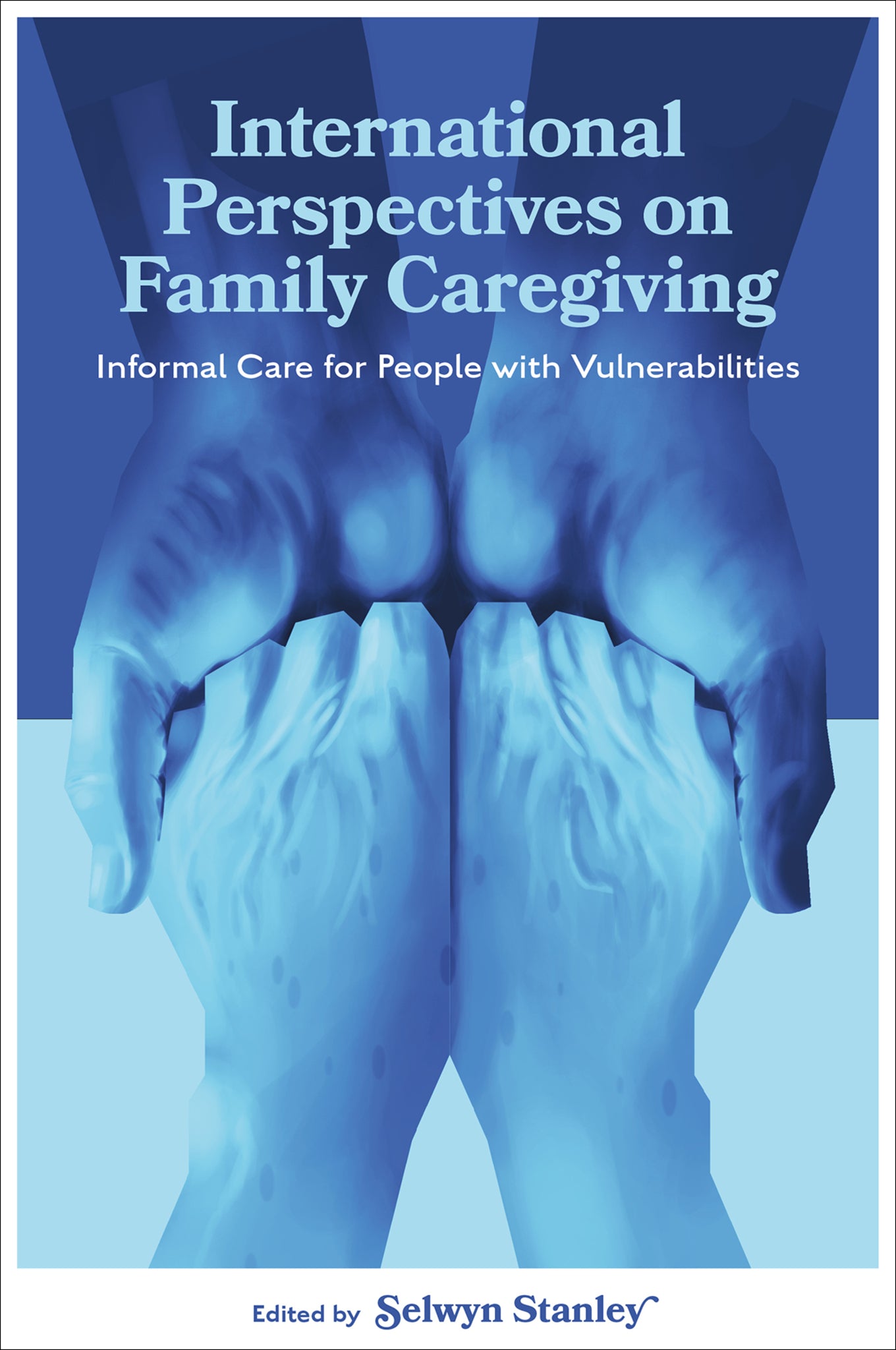
There is an increased interest to turn the spotlight not only on the needs and experiences of service users, but also to understand the complexity of issues that their caregivers’ experience. An informal caregiver is any relative, spouse/partner, friend or neighbour who has a significant personal relationship with and provides a broad range of assistance and care for, an adult or a child with a chronic or disabling physical or mental health condition. This edited collection provides a comprehensive read on the caregiving experience within a range of health conditions and population groups.
Framed by an introductory, the chapters focus on ten specific areas such as caring for older people, children, and young people with learning disabilities, those with mental health conditions, people requiring care because of end-stage renal conditions, cardio-vascular illness, stroke, cancer, HIV, physical disabilities, and traumatic brain injuries. Delving into background and context; relevant theoretical frameworks; common caregiving problems/issues; the implications for the person receiving care, the implications for the caregiver, and supportive measures/recommendations to enable caregivers, International Perspectives on Family Caregiving: Informal Care for People with Vulnerabilities enables readers to gain an empathetic understanding of issues encountered by informal care providers and thus enables a basis for working with various issues encountered by them.
Meeting the need for a text for the academic community which recognises informal caregiving experiences, this is compelling reading for scholars of social work, health and social care, medical sociology, nursing, psychology, and counselling and allied disciplines.

This book on International Perspectives on Family Caregiving: Informal care for people with vulnerabilities addresses an issue of great concern nationally and internationally. It explores both the negative and positive aspects of being a caregiver in a range of circumstances, which is a strength of the book. The chapters reflect the diversity of circumstances and conditions that can trigger the need for care, and illustrates the wide penetration of such conditions into family / adult life. Stretched public resources, changing family patterns, and increasing awareness of the right to support by carers are challenges to service providers in many countries, including ones considered affluent. There is a universal need to better understand the challenges faced by both carers and vulnerable people in the provision of care which is sustainable, dignified and person-centred. This book will be a valuable step towards opening up knowledge and discussion of this important issue at an international level.
Selwyn Stanley is a Social Work Educator & Researcher and was Senior Lecturer in Social Work at Edge Hill University, UK. His research interests include mental health, substance misuse, informal caregiving, family life dynamics, and quality of life research.
Chapter 1. Family Caregiving: An Overview of Key Elements; Selwyn Stanley
Chapter 2. Parenting learning-disabled children and young people: A different way of caring; Simon Ward
Chapter 3. Family caregiving for older persons with dementia at end-of-life: A comprehensive overview; Cynthia A. Hovland
Chapter 4. Family Caregiving for Persons with Physical Disabilities; Noreth Muller-Kluits and Ilze Slabbert
Chapter 5. Family Caregiving in Schizophrenia: Key Issues, Challenges and Interventions; Selwyn Stanley and Sujeetha Balakrishnan
Chapter 6. Family Caregiving Following Traumatic Brain Injury: Processes, Outcomes, and Adaptation; Charles Edmund Degeneffe, Michelle McIntyre, and Elizabeth Kendall
Chapter 7. Family Caregivers and Cardiovascular Disease: An Intersectional Approach to Good Health and Wellbeing; Monica Parry, Ann Kristin Bjørnnes, Nicole Nickerson, and Irene Lie
Chapter 8. Caregiving issues in people with a cancer diagnosis in palliative care; Manuela Leite, Maria João Freitas, and Ricardo João Teixeira
Chapter 9. A comparative review of formal and informal caregiving for people living with HIV/AIDS: The cases of the UK and South Africa; Helen Holmes and Maditobane Lekganyane
Chapter 10. Same but Different: Reflections on Being a Young Carer; Bridgit Carey, Lois Allen, Mai Lawrence, Mohammad Mirwais, and Simon Ward