


Some error occured while loading the Quick View. Please close the Quick View and try reloading the page.
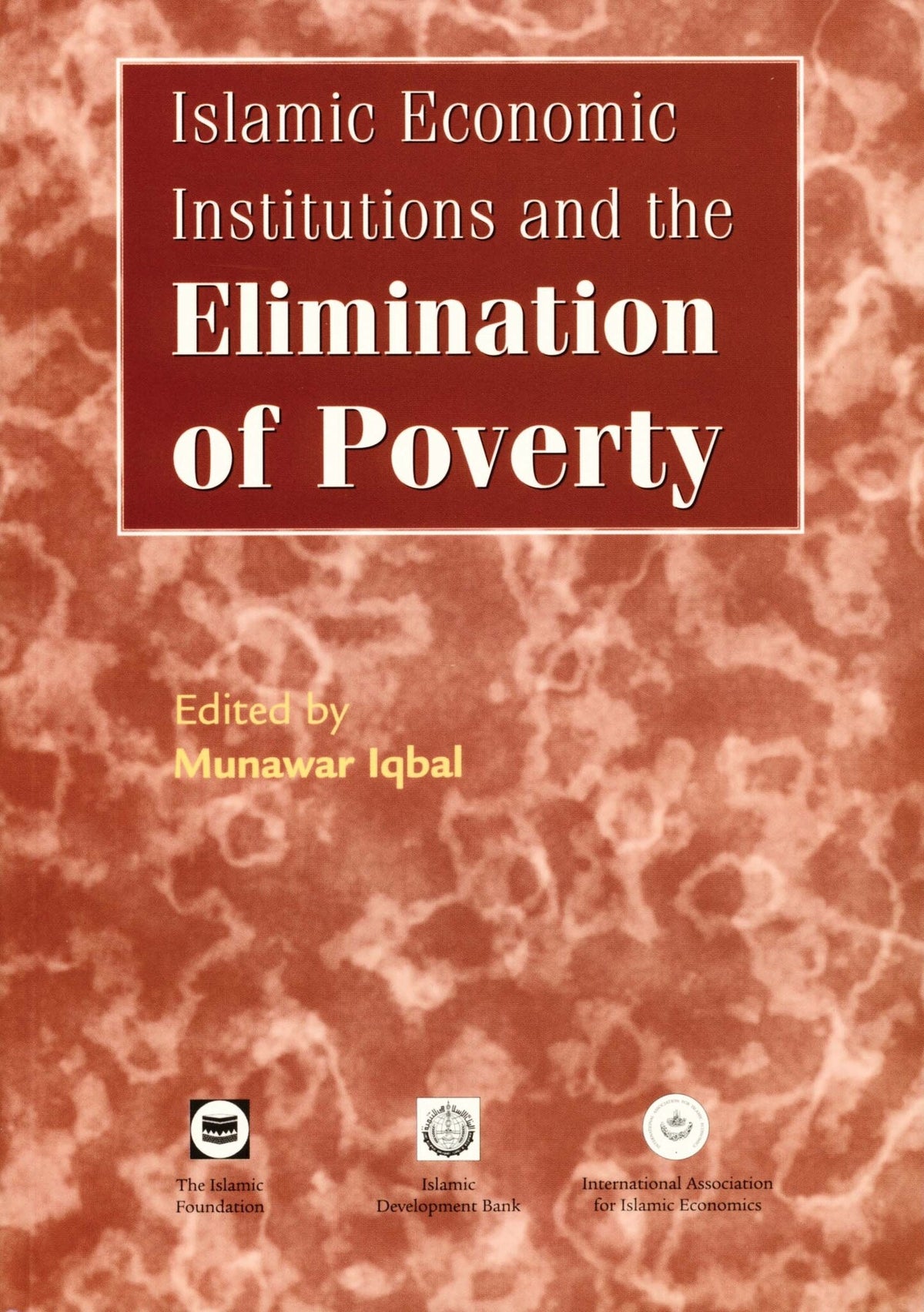
This book highlights the Islamic approach towards poverty elimination. Articles included in the volume point out that Islamic institutions such as zakah (obligatory wealth tax), elimination of riba (interest), awqaf (endowments), takaful (insurance), and irfaq (charity) play an important role in reducing poverty levels and income distribution.
It features articles by many prominent scholars, including Mohammad Hashim Kamali (an authority on Islamic finance), Mohammad Daud Bakar (a member of Malaysia’s central bank), and Dr. Seif El-Din Ibrahim Tag El-Din (the 2015 winner of the IDB Islamic Economics Prize).

Glossary of Arabic Terms
Chapter 1 Introduction
MUNAWAR IQBAL
Chapter 2 The Elimination of Poverty: Challenges and Islamic Strategies
ISMAIL SIRAGELDIN
Chapter 3 Poverty Elimination in an Islamic Perspective: An Applied General Equilibrium Approach
HAFIZ MOHAMMAD YASIN and SAYYID TAHIR. Comments by Zubair Hasan
Chapter 4 Microfinancial Services and Poverty Alleviation in Bangladesh: A ComparativeAnalysis of Secular and Islamic NGOs
M. KABIR HASSAN and DEWAN A.H. ALAMGIR. Comments by Abulhasan M. Sadeq
Chapter 5 The Elimination of Riba: A Measure Truly Dedicated to Poverty Alleviation
SEIF EL DIN I. TAG EL DIN. Comments by Mabid Ali al-Jarhi. Comments by Abdel Rahman Yousri
Chapter 6 The Problem of Risk and Insurable Interest in Takaful: A Jurisprudential Analysis
MOHAMMAD DAUD BAKAR. Comments by Mohammad Hashim Kamali. Comments by M. Anas Zarqa
Chapter 7 Latest Developments in the Western Non-Profit Sector and the Implications for Islamic Awqaf
MURAT ÇIZAKÇA. Comments by Mohamed Ahmed Sakr. Comments by Mohamed Ariff
INDEX 297