


Some error occured while loading the Quick View. Please close the Quick View and try reloading the page.
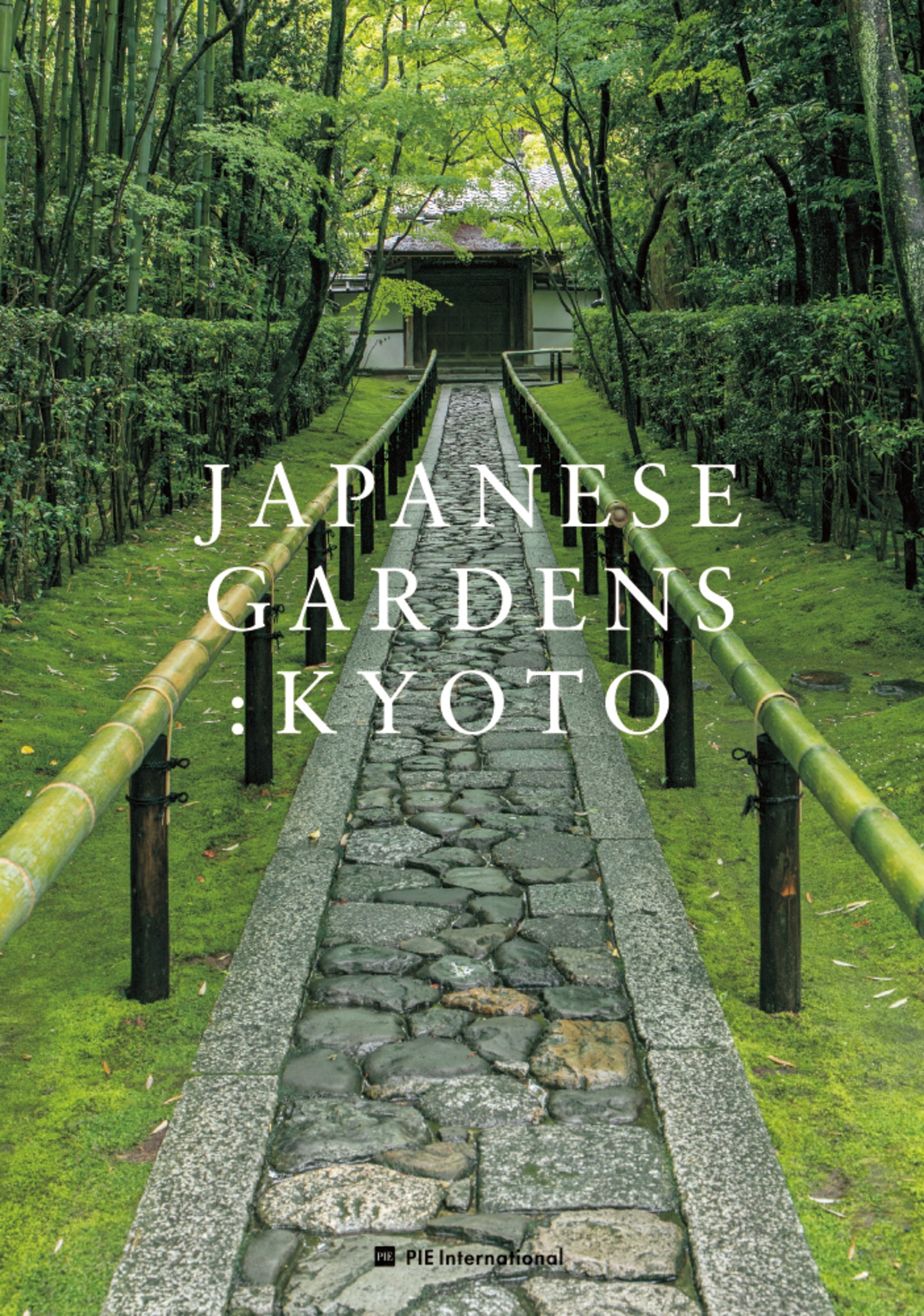
96 breathtakingly stunning Japanese gardens you must visit in Kyoto
Kyoto’s gardens are among the city’s many glories. They are beautiful, thought-provoking. These unparalleled works of art at the creative frontier between man and nature date mainly from the Kamakura, Muromachi, and early Edo periods (approximately 1200 to 1650). These were eras of political and cultural ferment left us with many significant developments in the arts from the Noh theater to weaving and dyeing. The gardens of Kyoto featured in this book are a spectacular example of this peerless art form and collectively form a distinctive aspect of Japanese cultural heritage. Gardens, by incorporating living elements into a man-made design that is then integrated with buildings and other structures, necessarily embody their builders’ philosophies concerning the relationship between humanity and nature. Those can be, very broadly speaking, divided into philosophies that view human beings as either dominant over or part of nature. Gardens in East Asia, and Japan in particular, tend to be of natural landscapes. The age-old Japanese view of how human beings should relate to nature is realized on a grand scale in the gardens of Kyoto.
This book introduces the soul of Kyoto, the Japanese garden, in an unbroken continuity from the Heian period until today. Addressing their variations through the sub-categories of temple gardens, gardens of the Imperial Family and aristocratic households, and urban courtyard and other gardens, this book offers an insight into the compelling fascination that the beauty and philosophical depth of these gardens inspire.
Kyoto’s gardens are among the city’s many glories. They are beautiful, thought-provoking. These unparalleled works of art at the creative frontier between man and nature date mainly from the Kamakura, Muromachi, and early Edo periods (approximately 1200 to 1650). These were eras of political and cultural ferment left us with many significant developments in the arts from the Noh theater to weaving and dyeing. The gardens of Kyoto featured in this book are a spectacular example of this peerless art form and collectively form a distinctive aspect of Japanese cultural heritage. Gardens, by incorporating living elements into a man-made design that is then integrated with buildings and other structures, necessarily embody their builders’ philosophies concerning the relationship between humanity and nature. Those can be, very broadly speaking, divided into philosophies that view human beings as either dominant over or part of nature. Gardens in East Asia, and Japan in particular, tend to be of natural landscapes. The age-old Japanese view of how human beings should relate to nature is realized on a grand scale in the gardens of Kyoto.
This book introduces the soul of Kyoto, the Japanese garden, in an unbroken continuity from the Heian period until today. Addressing their variations through the sub-categories of temple gardens, gardens of the Imperial Family and aristocratic households, and urban courtyard and other gardens, this book offers an insight into the compelling fascination that the beauty and philosophical depth of these gardens inspire.

Price: $29.95
Publisher: PIE International
Imprint: PIE International
Publication Date:
07 April 2020
Trim Size: 8.30 X 5.80 in
ISBN: 9784756252173
Format: Paperback
- Introduction (P.3)
[Columns]
1. "Poets' Gardens" Hidetaro Sugimoto
2. "Temples and Gardens" Shoichi Inoue
3. "Shigemori Mirei Gardens Link Beauty: The Modern Gives Birth to the Modern" by Mitsuaki Shigemori
[Flower Gardens] (P.8~P.29)
[Rakusai] (P.32~P.74)
[Rakuchu] (P.75~P.85)
[Rakuhoku] (P.87~P.104)
[Rakuto] (P.106~P.133)
[Rankunan] (P.134~P.138)
[Suburban Districts] (P.139~P.141)
- Gardens of Court Nobles
- Gardens and Tsuboniwa Inner Gardens in the Heian, Momoyama and Meiji Periods
- An Explanatory Notes on the Temple and Shrine Gardens
- Glossary
- Map
- Address List
[Columns]
1. "Poets' Gardens" Hidetaro Sugimoto
2. "Temples and Gardens" Shoichi Inoue
3. "Shigemori Mirei Gardens Link Beauty: The Modern Gives Birth to the Modern" by Mitsuaki Shigemori
[Flower Gardens] (P.8~P.29)
[Rakusai] (P.32~P.74)
[Rakuchu] (P.75~P.85)
[Rakuhoku] (P.87~P.104)
[Rakuto] (P.106~P.133)
[Rankunan] (P.134~P.138)
[Suburban Districts] (P.139~P.141)
- Gardens of Court Nobles
- Gardens and Tsuboniwa Inner Gardens in the Heian, Momoyama and Meiji Periods
- An Explanatory Notes on the Temple and Shrine Gardens
- Glossary
- Map
- Address List