


Some error occured while loading the Quick View. Please close the Quick View and try reloading the page.
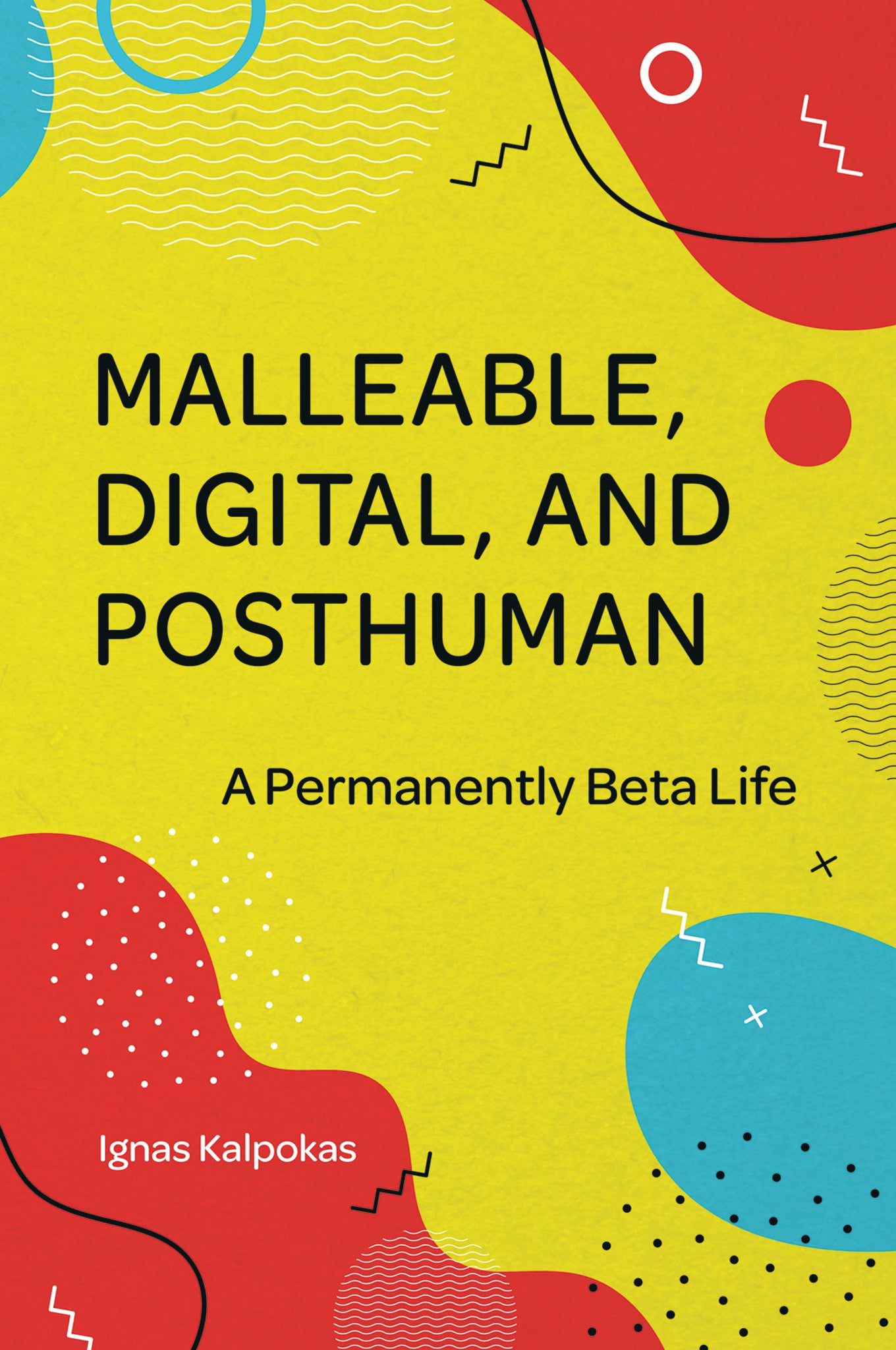
The world we live in is increasingly malleable and fluid, especially in regards to being human - rendering the self into a permanent beta version, co-constituted within agglomerations of platforms, devices, physical infrastructures, entities pertaining to physical and biological nature. This book proposes a posthumanist research methodology for future research in this area, providing a novel explanatory and methodological framework for studying today's world.
Malleable, Digital, and Posthuman studies four areas: the economy, the human self, politics, and research ethics and methodology. In the economic domain, Kalpokas focuses on the emergence of the attention economy and the ensuing shift towards personalisation and experience, shaping the (digital) environment for optimised user interaction. Consequently, the datafication and algorithmisation of the social world necessitates an art and craft of the self, establishing a co-constitutive interaction between the self and digital infrastructures. These changes also strongly affect politics, primarily through datafied management of the political and employment of predictive analytics in preparing ground for political action, thereby rendering collective identities and political leadership malleable and open to relentless beta testing.
With unique insights and an innovative framework, this book is essential reading for researchers in the areas of media and communication studies, politics and social theory.

Ignas Kalpokas is an Associate Professor at Vytautas Magnus University, Lithuania and LCC International University, Lithuania. His research interests span from established domains, such as political communication as well as political and communication theory to studying interactions between humans and algorithms or artificially intelligent agents from a broadly posthumanist perspective.
Chapter 1. The Malleable Environment: Attention, Sensing, and Wrapping
Chapter 2. The Malleable Self: Immersion, Self-Optimisation, and Gamification
Chapter 3. The Malleable Political: Ascription, Shareability, and Ventriloquism
Chapter 4. The Posthuman: False Centrism, Flat Ontology, and Immersive Methodology