Skip to product information
1 of 1

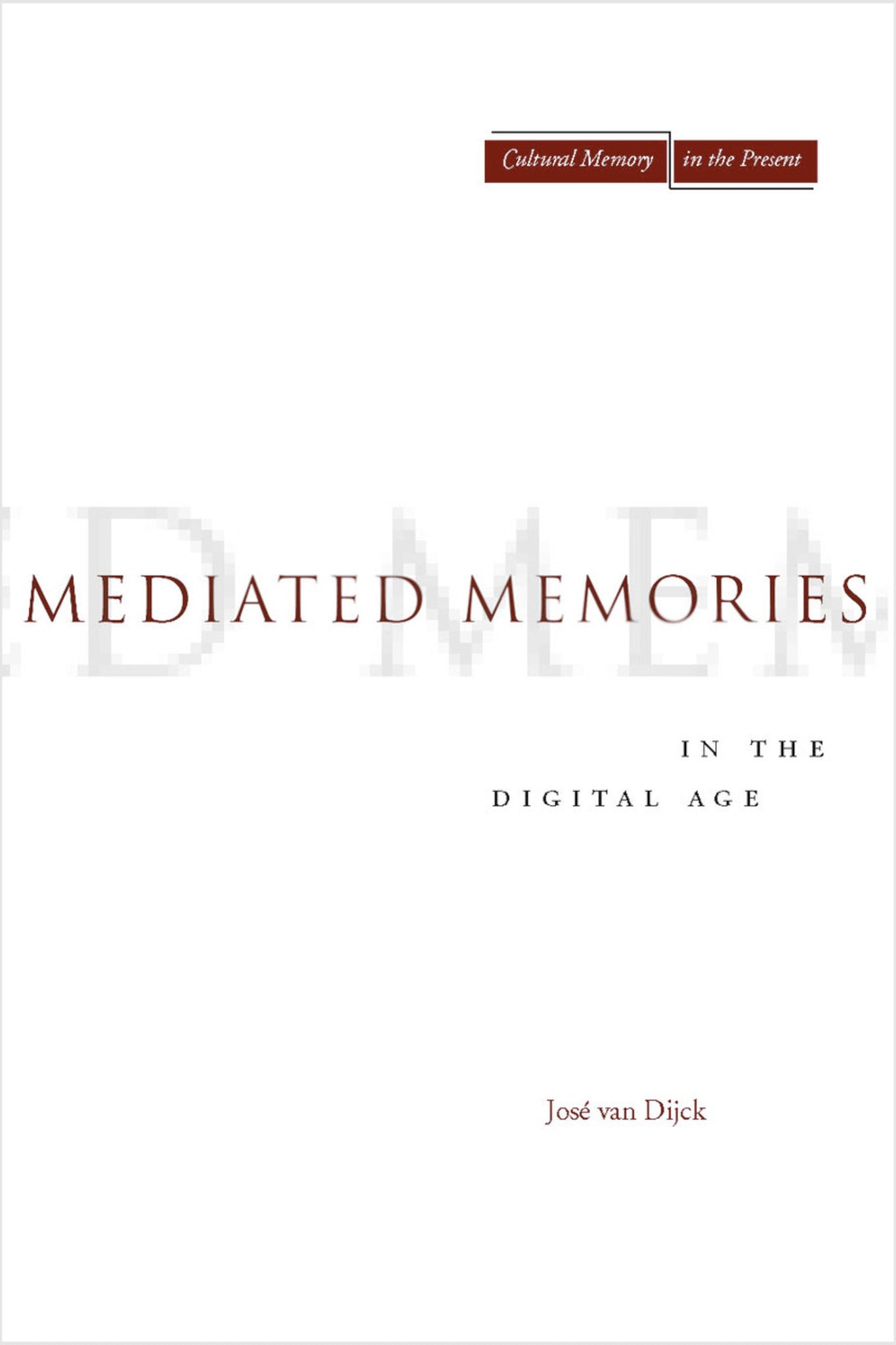
Mediated Memories in the Digital Age

Regular price $25.00
Sale price $25.00 Regular price $25.00
Sale Sold out
This book studies how our personal memory is transformed as a result of technological and cultural transformations: digital photo cameras, camcorders, and multimedia computers inevitably change the...
Read More
  • Format:
  • 29 June 2007
View Product Details

Many people deploy photo media tools to document everyday events and rituals. For generations we have stored memories in albums, diaries, and shoeboxes to retrieve at a later moment in life. Autobiographical memory, its tools, and its objects are pressing concerns in most people’s everyday lives, and recent digital transformation cause many to reflect on the value and meaning of their own “mediated memories.” Digital photo cameras, camcorders, and multimedia computers are rapidly replacing analogue equipment, inevitably changing our everyday routines and conventional forms of recollection. How will digital photographs, lifelogs, photoblogs, webcams, or playlists change our personal remembrance of things past? And how will they affect our cultural memory? The main focus of this study is the ways in which (old and new) media technologies shape acts of memory and individual remembrances. This book spotlights familiar objects but addresses the larger issues of how technology penetrates our intimate routines and emotive processes, how it affects the relationship between private and public, memory and experience, self and others.

files/i.png Icon
Price: $25.00
Pages: 256
Publisher: Stanford University Press
Imprint: Stanford University Press
Series: Cultural Memory in the Present
Publication Date: 29 June 2007
Trim Size: 9.00 X 6.00 in
ISBN: 9780804756242
Format: Paperback
BISACs:

"The book is accessible to undergraduates and provides an excellent framework for postgraduates both in terms of its clarity in developing the conceptual tool of 'mediated memory' and in addressing some aspects of the digital in relation to this. One of its strengths concerns the way in which van Dijck unpacks the conceptual flaws conventionally associated with collective memory and the problematic assumptions that underlie much of the discussion of the relationship of media to this... The book is beautifully written, telling an engaging story, as well as tackling with academic erudition the study of mediated memories in the digital age."
José van Dijck is Professor of Media and Culture at the University of Amsterdam. She is the author of several books, including Manufacturing Babies and Public Consent: Debating the New Reproductive Technologies (1995) and ImagEnation: Popular Images of Genetics (1998). Her latest book is titled The Transparent Body. A Cultural Analysis of Medical Imaging (2005).