


Some error occured while loading the Quick View. Please close the Quick View and try reloading the page.
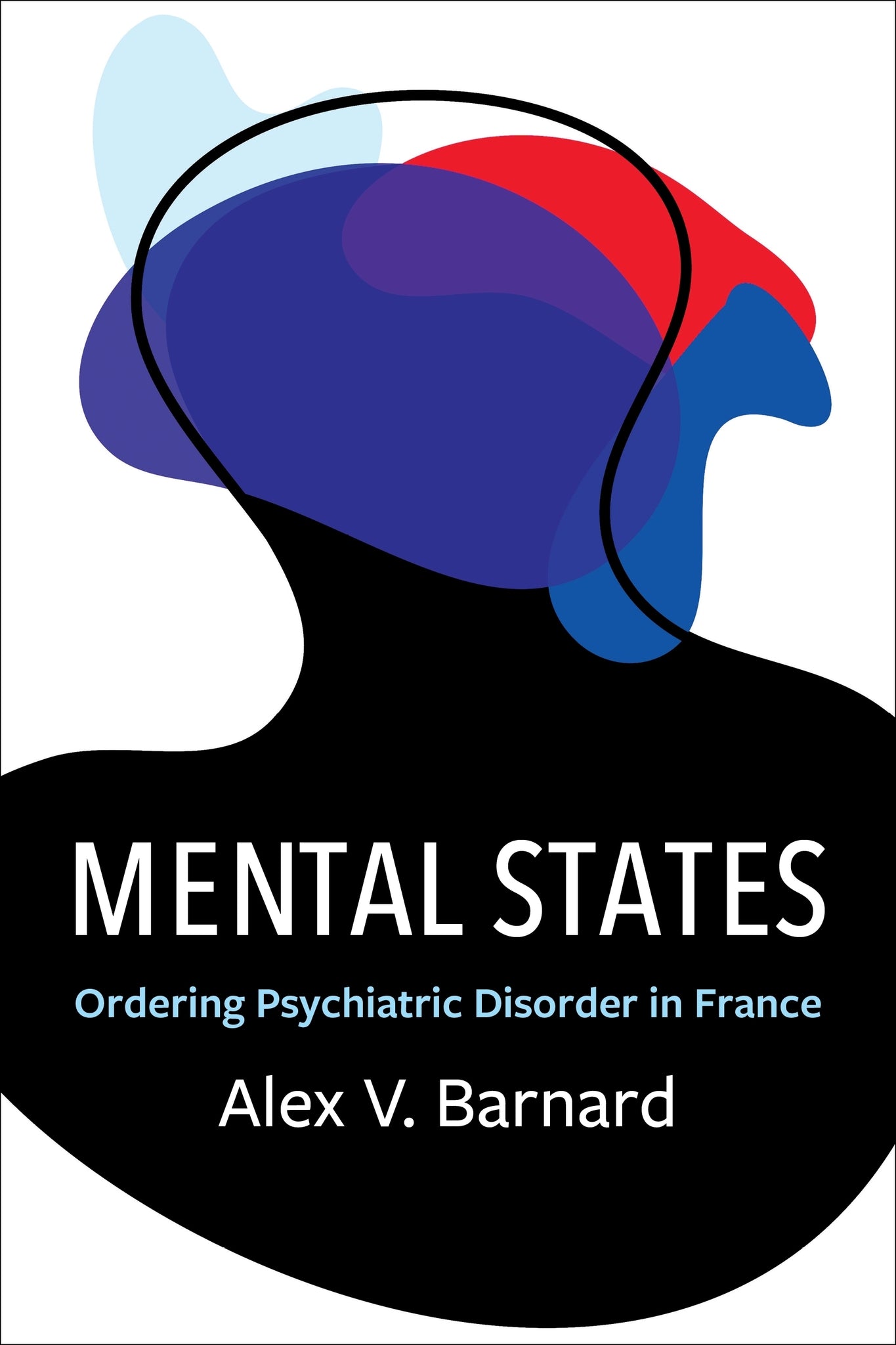
How do states decide who is or is not mentally ill? Alex V. Barnard shows that, beneath the chaotic trajectories of people with mental illness and the fragmented agencies and professionals serving them, there is an underlying order to the ways societies classify, treat, and control madness.
Based on more than a year of in-depth fieldwork in France, Mental States takes readers to a public mental health clinic charged with providing care despite diminishing resources, a social service office dispensing benefits intended to help chronically ill people recover their autonomy, and a court where judges must decide the delicate balance between rights and control for people subjected to involuntary psychiatric hospitalization. Drawing on these observations, as well as hundreds of interviews with French professionals and decades of archival materials, Barnard demonstrates that these disparate sites are linked by a shared conception of what makes someone a malade—a real mentally ill person. This medical and bureaucratic identity keeps the mad in the grips of a paternalist, protective psychiatric system—in sharp contrast to the United States, where this population careens among jails, shelters, and hospitals.
This book reveals the power of states to create mentally ill populations and shows how these populations can in turn remake states. The way states have crafted madness in the past weighs on the present, explaining why countries can maintain distinct approaches even in an era when psychiatric knowledge and medical treatment are converging across borders.

— Claire Decoteau, author of Emergency: COVID-19 and the Uneven Valuation of Life
Preface
Introduction: Precarious Patienthood
Part I. Between Sickness and Health
1. The Boundaries of “Santé-Mentalisme”
2. Rationing for Real Malades
Part II. From Chronicity to Autonomy
3. A Handicapped Revolution
4. Designating Disability, Enabling Independence
Part III. Balancing Rights, Control, and Care
5. The Rise of Rights and the Specter of Control
6. Judging Suffering Citizens
Conclusion: Beyond Malades
Acknowledgments
Methodological Appendix
Chronology
Notes
Bibliography
Index