


Some error occured while loading the Quick View. Please close the Quick View and try reloading the page.
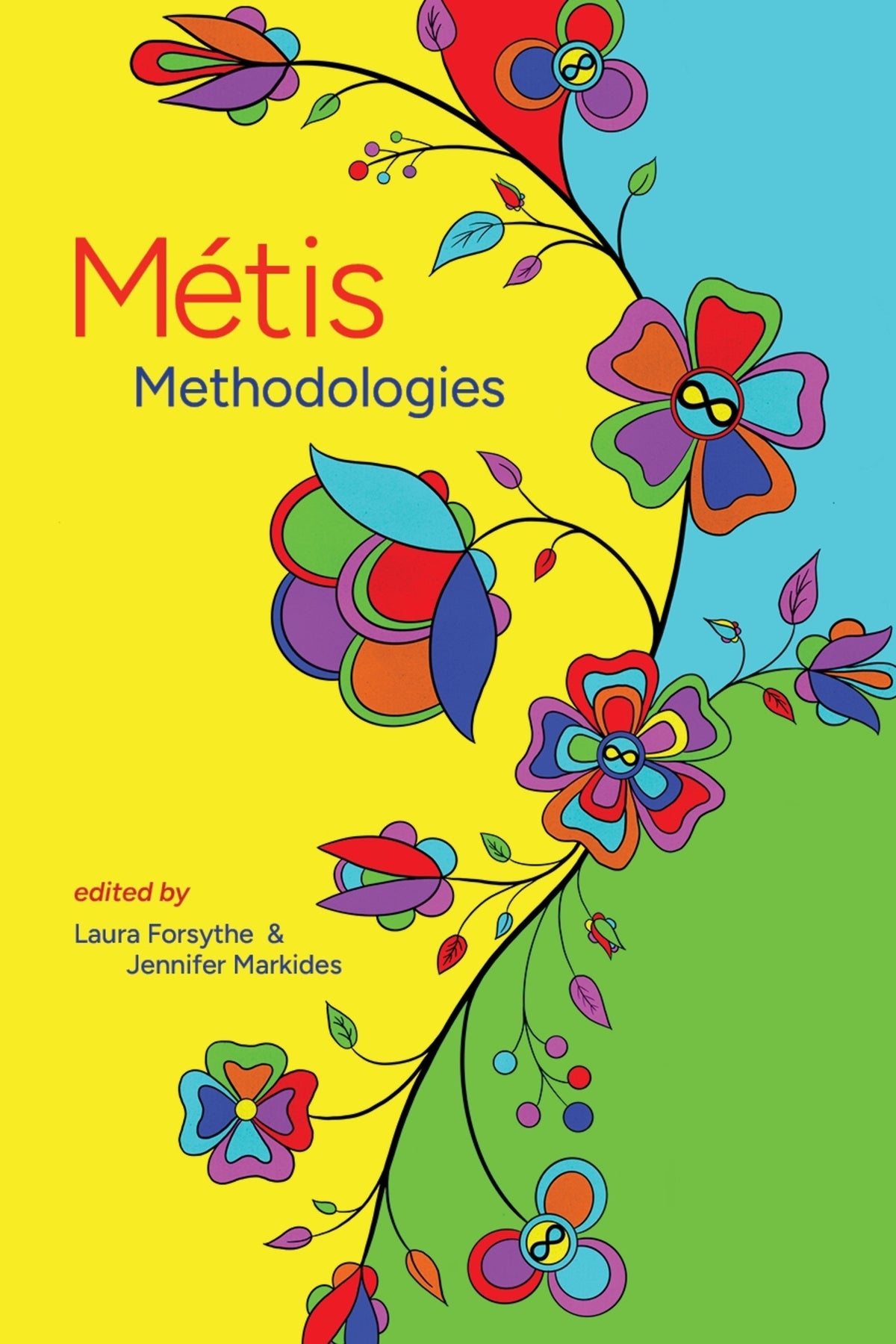
An enriching and inviting collection, Métis Methodologies clarifies what makes Métis research methods distinct. Insightful and frank reflections on wide-ranging research applications guide readers toward rich research paradigms for ethical and relational scholarship on Métis life, kin, history, and homelands.
Positioned in the context of decolonial research, this collection argues that research undertaken by Métis scholars can and should reflect specific Métis experiences of colonization. This collection represents a groundbreaking contribution to Métis research methodologies. It offers a framework for conducting research in Métis contexts and serves as an accessible entry point for those interested in learning about Métis epistemology, ontology, and axiology. In response to a community request, this collection showcases Métis ways of knowing, being, and doing in research.
Through grounded examples in research projects on Michif language revitalization, land-based pedagogy, health research, digital storytelling, and literary criticism, readers will learn specific techniques for research in this important contribution to decolonial knowledge production and research methodologies.

— Niigaan Sinclair, author of Wînipêk: Visions of Canada from an Indigenous Centre
Laura Forsythe, PhD, has helped lift up Indigenous scholars' work for over a decade as co-editor of seven collections, co-founder of the Metis Thinkers Network, editor of the Canadian Journal of Indigenous Studies, and member of the circle of editors of Pawaatamihk: Journal of Metis Thinkers. Her kinship ties include the Huppe, Ward, Berard, Morin, Lavallee, and Cyr lines. Her ancestors worked for the Northwest and Hudson’s Bay Companies, fought in the Victory of Frog Plain, and owned Lot 31, the site of a contemporary Métis space called Pakan Town.
Jennifer Markides, PhD, is a member of the Métis Nation of Alberta under the Otipemisiwak Métis Government, SSHRC Tier II Canada Research Chair in Indigenous Youth Well-Being and Education, and associate professor in both the Werklund School of Education and Faculty of Social Work at the University of Calgary. Her community-based research focuses on the dreams, interests, needs, and holistic wellbeing of Indigenous youth in locations in Alberta and the Yukon. Working together, the partnerships respond to the immediate goals and long-term visions of First Nations and Métis communities. Her ancestral Métis kin are the McKay, Favel, Ballenden/Ballendine, Linklater, and McDermott/MacDermott families, with Scrip records and connections to Red River. She honours her ongoing commitments of learning, relationship-building, and service to Métis people, communities, and organizations through her academic work and personal life.
Part I: Métis Ways of Knowing: Transforming Research and Practice
Chapter 1:: Evolution of a Métis Research Methodology Over Fifteen Years (Chantal Fiola)
Chapter 2:: Intertwined Michif Methodology: Métis-Specific Research (Laura Forsythe)
Chapter 3:: Developing a Red River Métis Methodology Through Relationality for Health Research (Michelle Driedger and Josee LaVallee)
Chapter 4:: Whips and Wallows: Approaches in Métis Literary Criticism (Matthew Tétreault)
Chapter 5:: Methods in Motion: Walking-with Indigenous and Western approaches as Métis methodology (Lydia Toorenburgh)
Part II: Honoring Métis Values: Ethical Approaches to Research
Chapter 6:: Aunty Ethics: Métis Perspectives on Ethics, Research, and Life in the Academy (Sherry Farrell Racette, Beverly Cardinal, Allyson Stevenson, Merelda Fiddler-Potter, & Emily Grafton)
Chapter 7:: Research within Métis Community Work: Methodological tensions and possibilities in a Two-Spirit Michif research ethic (Lucy Delgado)
Chapter 8:: Being a Good Relative in Language Reclamation Research (Russ Fayant and Melanie Griffith Brice)
Chapter 9:: La Vayritii Wiihtamakayhk: Relational and Ethical Considerations in Using Digital Storytelling as Métis Methodology (Amanda LaVallee and Yvonne Poitras Pratt)