


Some error occured while loading the Quick View. Please close the Quick View and try reloading the page.
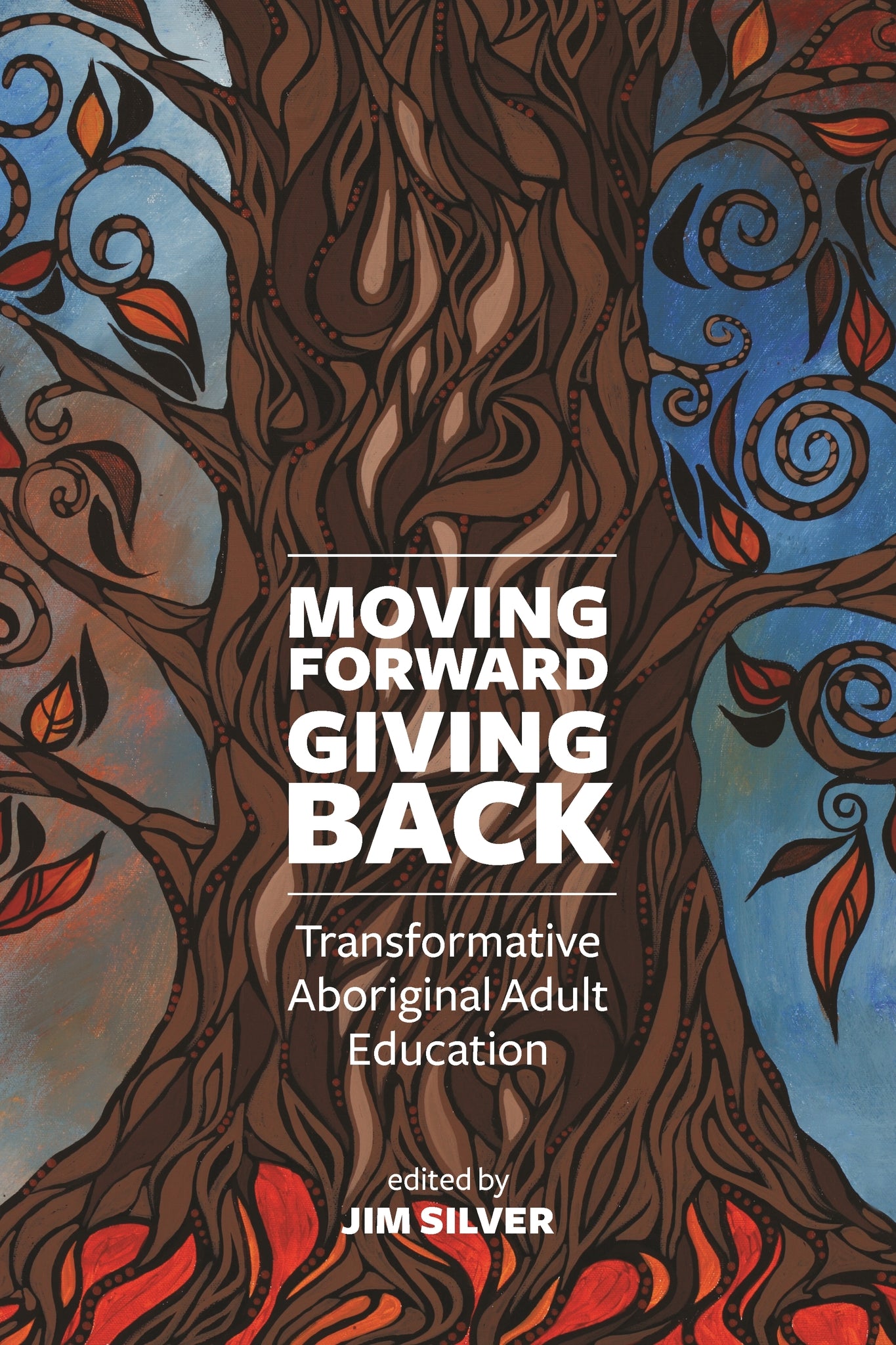
Aboriginal people who choose to improve their education as adults often face many challenges, most of which arise from the ongoing impact of colonialism and of racialized poverty. Yet in Winnipeg’s low-income inner city, a variety of innovative and effective Aboriginal adult education initiatives have emerged. Drawing upon the voices and experiences of Aboriginal adult learners themselves, this book describes the initiatives and strategies that have proven successful and transformative for adult Aboriginal students.
These programs also positively influence the lives of the students’ families and are even felt on the community level, functioning as anti-poverty initiatives. Moving Forward, Giving Back posits that effective Aboriginal adult education initiatives need to be dramatically expanded to improve the health and vibrancy of Aboriginal people and communities across Canada.

: About the Authors
: Aboriginal Adult Education: Combating Poverty and Colonization (Jim Silver)
: Circles of Healing and Transformation: Aboriginal Women and Adult Education (Claudette Michell, with Mearle Chief, Deborah Diubaldo, Darlene Klyne, Wendy McNab & Linda Smith)
: We Are the Agents of Change: Thoughts on Aboriginal Adult Education (Larry Morrissette)
: Tools for Building Our Freedom (Myra Laramee)
: Healing the Spirit First: Aboriginal Second Chance Learners in Three Inner City Programs (Shauna MacKinnon)
: It’s the wec Way: Transformative Social Work Education (Kim Clare)
: To Walk in Both Worlds: Ma Mawi Goes to University (Jim Silver, Claudette Michell, & Judith Harris)
: “Getting on the bus”: Reflections on the First Cohort of a Transition to University Program (Denise MacDonald)
: Sharing Our Life Stories: Transformative Writing and Learning (Diane Kristjannson)
: Adult Education as Community Development: The Case of Lord Selkirk Park (Jim Silver)
: Notes
: References
: Index