


Some error occured while loading the Quick View. Please close the Quick View and try reloading the page.
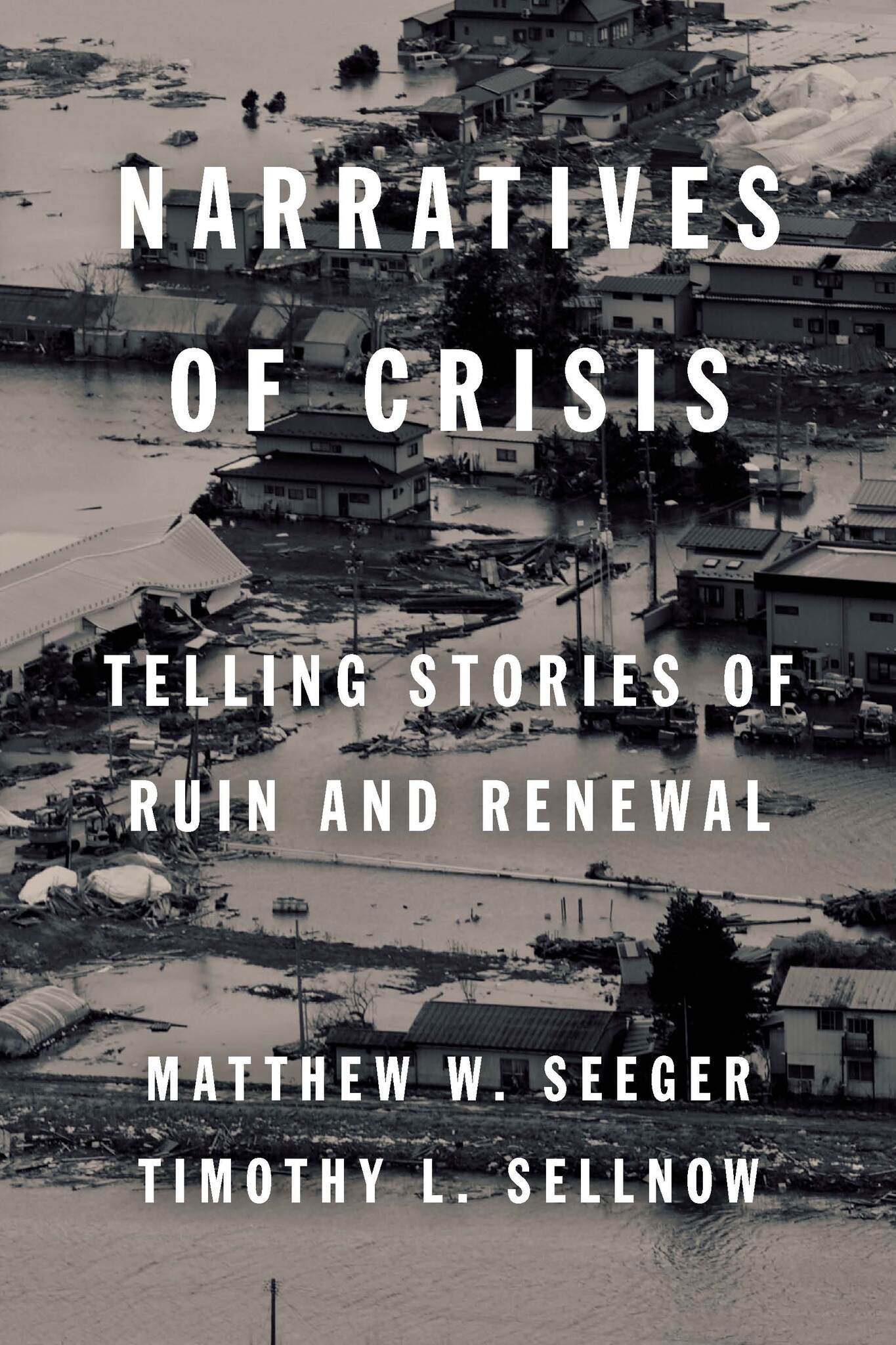
How did you first hear about 9/11? What images come to mind when you think of Hurricane Katrina? How did your community react to the Sandy Hook Elementary School shooting? You likely have your own stories about these tragic events. Yet, as a society, we rarely stop to appreciate the narratives that follow a crisis and their tremendous impact.
This book examines the fundamental role that narratives play in catastrophic events. A crisis creates a communication vacuum, which is then populated by the stories of those who were directly affected, as well as crisis managers, journalists, and onlookers. These stories become fundamental to how we understand a disaster, determine what should be done about it, and carry forward our lessons learned.
Matthew W. Seeger and Timothy L. Sellnow outline a typology of crisis narratives: accounts of blame, stories of renewal, victim narratives, heroic tales, and memorials. Using cases to illustrate each type, they show how competing accounts battle for dominance in the public sphere, advancing specific organizational, social, and political changes. Narratives of Crisis improves our understanding of how consensus forms in the aftermath of a disaster, providing a new lens for comprehending events in our past and shaping what comes from those in our future.

2. Humans as Storytellers
3. How Stories Disrupt Our Sense of Meaning
4. Making Sense through Accounts
5. Blame Narratives
6. Renewal Narratives
7. Victim Narratives
8. Hero Narratives
9. Memorial Narratives
10. How Narratives of Crisis Compete and Converge
11. The Consequences of Crisis Narratives