


Some error occured while loading the Quick View. Please close the Quick View and try reloading the page.
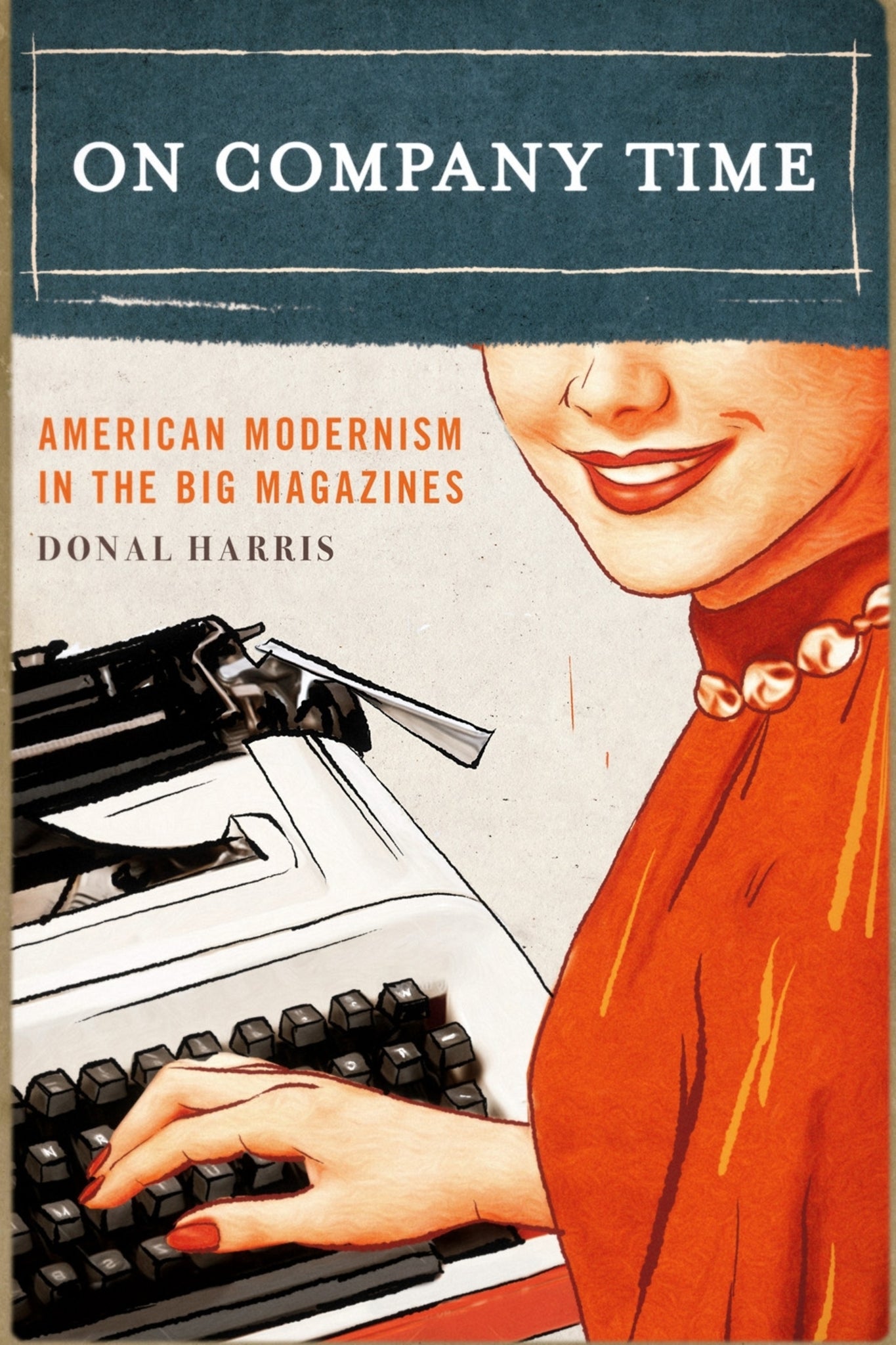
American novelists and poets who came of age in the early twentieth century were taught to avoid journalism "like wet sox and gin before breakfast." It dulled creativity, rewarded sensationalist content, and stole time from "serious" writing. Yet Willa Cather, W. E. B. Du Bois, Jessie Fauset, James Agee, T. S. Eliot, and Ernest Hemingway all worked in the editorial offices of groundbreaking popular magazines and helped to invent the house styles that defined McClure's, The Crisis, Time, Life, Esquire, and others. On Company Time tells the story of American modernism from inside the offices and on the pages of the most successful and stylish magazines of the twentieth century. Working across the borders of media history, the sociology of literature, print culture, and literary studies, Donal Harris draws out the profound institutional, economic, and aesthetic affiliations between modernism and American magazine culture.
Starting in the 1890s, a growing number of writers found steady paychecks and regular publishing opportunities as editors and reporters at big magazines. Often privileging innovative style over late-breaking content, these magazines prized novelists and poets for their innovation and attention to literary craft. In recounting this history, On Company Time challenges the narrative of decline that often accompanies modernism's incorporation into midcentury middlebrow culture. Its integrated account of literary and journalistic form shows American modernism evolving within as opposed to against mass print culture. Harris's work also provides an understanding of modernism that extends beyond narratives centered on little magazines and other "institutions of modernism" that served narrow audiences. And for the writers, the "double life" of working for these magazines shaped modernism's literary form and created new models of authorship.

Acknowledgments
Introduction: Making Modernism Big
1. Willa Cather's Promiscuous Fiction
2. Printing the Color Line in The Crisis
3. On the Clock: Rewriting Literary Work at Time Inc.
4. Our Eliot: Mass Modernism and the American Century
5. Hemingway's Disappearing Style
Afterword: Working from Home
Notes
Bibliography
Index