


Some error occured while loading the Quick View. Please close the Quick View and try reloading the page.
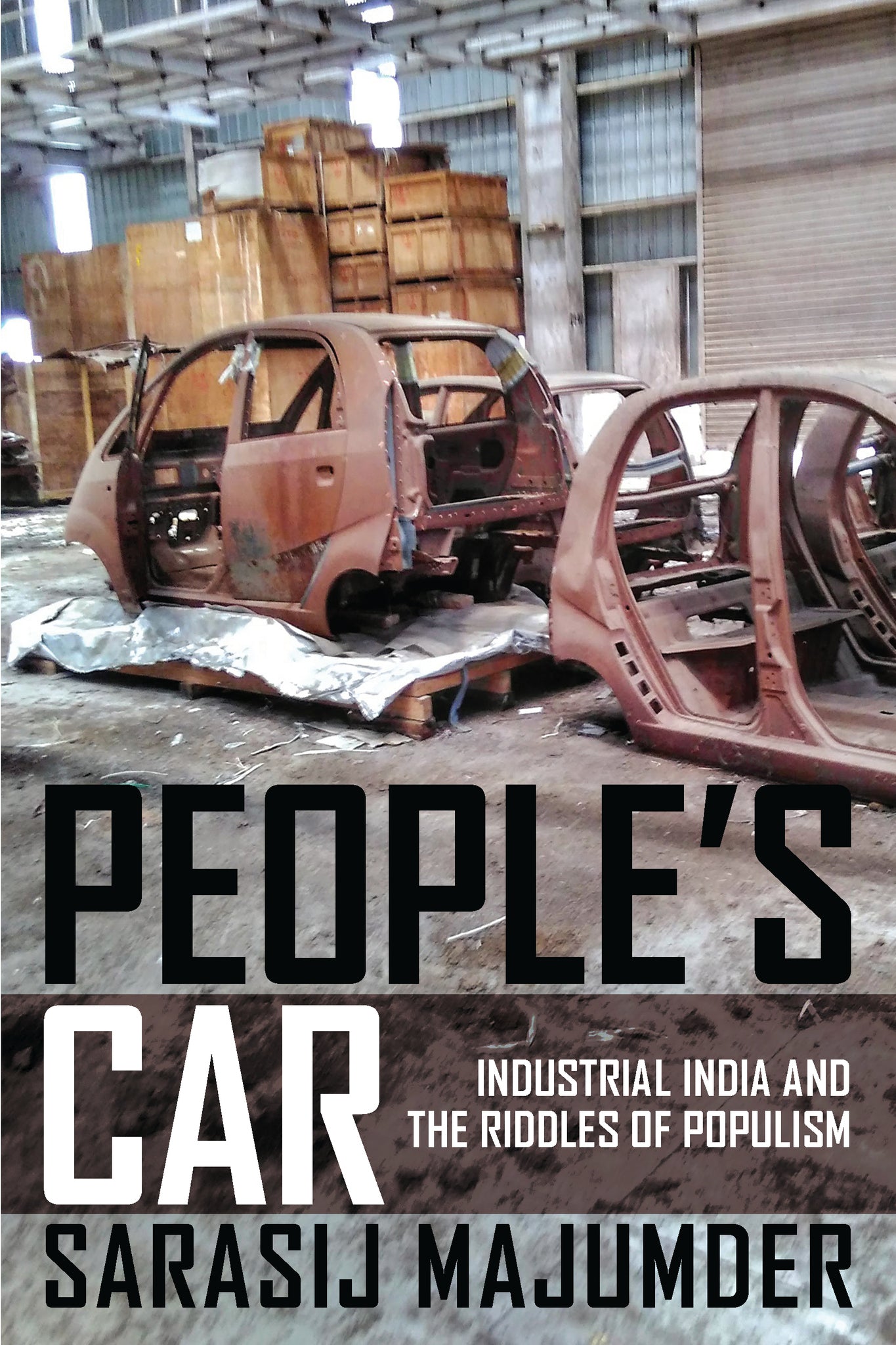
India is witnessing a unique moment in populism, with sentiments divided between economic reforms that promise fast industrialization and protests that thwart such industrialization. This book offers an ethnographic study of divergent local responses to the proposed construction of a Tata Motors factory in eastern India that would have produced the Nano, the so-called people’s car. Initial excitement was followed by long protests among the villagers whose agricultural land was being acquired for the project. After these protests secured the relocation of the factory, further demonstrations followed, sometimes involving the same participants, seeking to bring the factory back.
People’s Car explores this ambivalence concerning industrialization, asking why long drawn resistances against corporate industrialization coexist with political rhetoric and slogans promoting fast-paced industrialization. Majumder argues that such contradictory rhetoric and promises target divided sentiments in rural India where land is incommensurable with money and a site specially marked by desire for middle caste small landowners aspiring to futures beyond agriculture.
Previous studies of industrialization have generally focused on either demands for development or populist critiques. Moving beyond romantic clichés about urban/rural divisions, People’s Car offers a single analytical and ethnographic framework demonstrating how pro- and anti-industrialization forces feed off each other.

List of Abbreviations ix
A Timeline of the Events in Singur xi
Introduction. Life Beyond Land: Aspirations, Ambivalence, and the Double Life of Development 1
1. “We Are Chasis, Not Chasas”: Emergence of Land-Based Subjectivities 33
2. Land Is Like Gold: (In)commensurability and the Politics of Land 62
3. Land Is Like a Mother: The Contradictions of Village-Level Protests 100
4. “Peasants” Against Industrialization: Images of the Peasantry and Urban Activists’ Representations of the Rural 131
Conclusion: Value Versus Values? 153
Postscript: From a Defunct Factory to a “Crematorium” 167
Acknowledgments 171
Glossary 175
References 177
Index 193
Photographs follow page 14