


Some error occured while loading the Quick View. Please close the Quick View and try reloading the page.
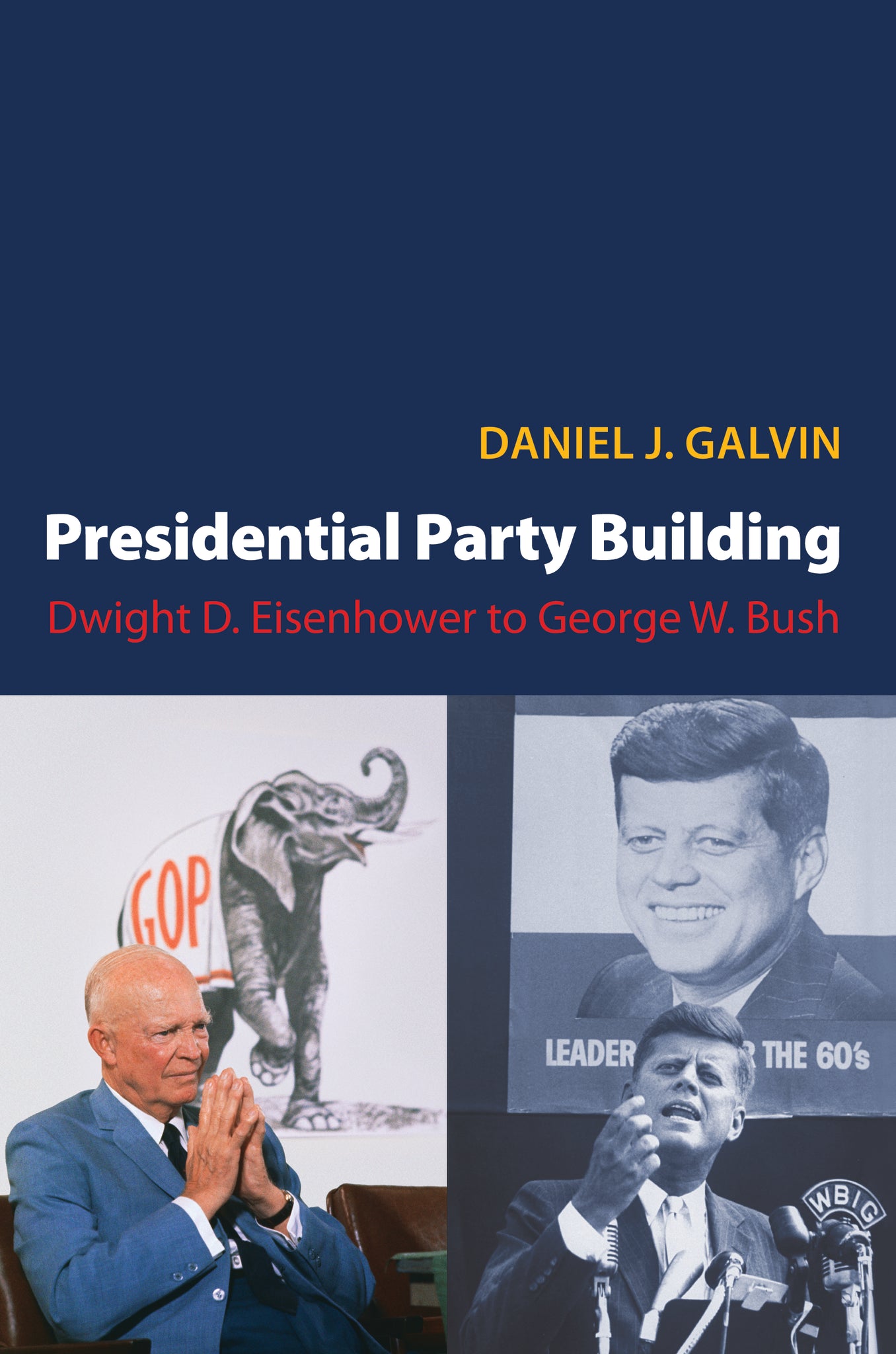
Modern presidents are usually depicted as party "predators" who neglect their parties, exploit them for personal advantage, or undercut their organizational capacities. Challenging this view, Presidential Party Building demonstrates that every Republican president since Dwight D. Eisenhower worked to build his party into a more durable political organization while every Democratic president refused to do the same. Yet whether they supported their party or stood in its way, each president contributed to the distinctive organizational trajectories taken by the two parties in the modern era.
Unearthing new archival evidence, Daniel Galvin reveals that Republican presidents responded to their party's minority status by building its capacities to mobilize voters, recruit candidates, train activists, provide campaign services, and raise funds. From Eisenhower's "Modern Republicanism" to Richard Nixon's "New Majority" to George W. Bush's hopes for a partisan realignment, Republican presidents saw party building as a means of forging a new political majority in their image. Though they usually met with little success, their efforts made important contributions to the GOP's cumulative organizational development. Democratic presidents, in contrast, were primarily interested in exploiting the majority they inherited, not in building a new one. Until their majority disappeared during Bill Clinton's presidency, Democratic presidents eschewed party building and expressed indifference to the long-term effects of their actions.
Bringing these dynamics into sharp relief, Presidential Party Building offers profound new insights into presidential behavior, party organizational change, and modern American political development.
