


Some error occured while loading the Quick View. Please close the Quick View and try reloading the page.
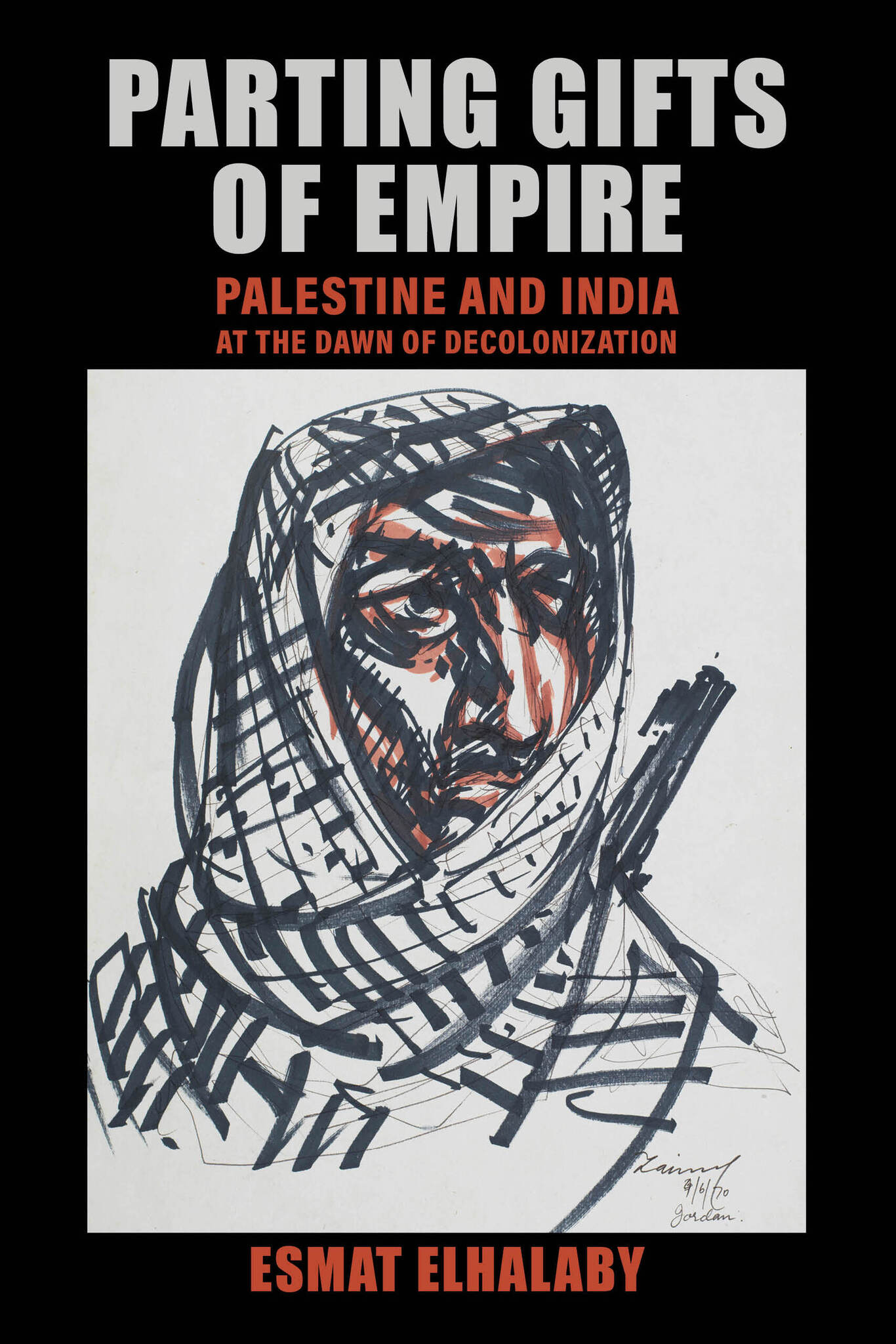
Parting Gifts of Empire narrates an untold story of how Arabs and South Asians in the twentieth century sought to decolonize their minds. The histories of Palestine and India—both partitioned by the British Empire—are intimately linked. In the face of similar imperially created chasms, Arab and Indian intellectuals reinvigorated centuries of shared histories to forge new horizons, new solidarities, new institutions, and new fields of knowledge. In this book, Esmat Elhalaby traces the forgotten lives of scholars like Wadi’ al-Bustani, revisits Arab and Indian feminist meetings, highlights gatherings such as Delhi’s 1947 Asian Relations Conference, and argues for the centrality of Palestine to the rise of the Third World. This book breaks new ground to unfold a global intellectual history of anticolonialism, Asian unity, pan-Islamism, and nonalignment in the making of what became known as the Global South.

Price: $29.95
Pages: 268
Publisher: University of California Press
Imprint: University of California Press
Publication Date:
30 September 2025
Trim Size: 9.00 X 6.00 in
ISBN: 9780520389274
Format: Paperback
BISACs:
"A revelation in the text—new to this reviewer and perhaps to other readers—is that the pan-Arab women’s movement that included these Egyptian representatives had its origins in the Palestinian national struggle of 1936–39."
Esmat Elhalaby is Assistant Professor of Transnational History at the University of Toronto.
Contents
Acknowledgments
Note on Translation and Transliteration
Map
Introduction: Decolonization and Its Forms of Knowledge
1. Empire
2. Islam
3. Asia
4. Nonalignment
5. Area
Epilogue
Notes
Bibliography
Index
Acknowledgments
Note on Translation and Transliteration
Map
Introduction: Decolonization and Its Forms of Knowledge
1. Empire
2. Islam
3. Asia
4. Nonalignment
5. Area
Epilogue
Notes
Bibliography
Index