


Some error occured while loading the Quick View. Please close the Quick View and try reloading the page.
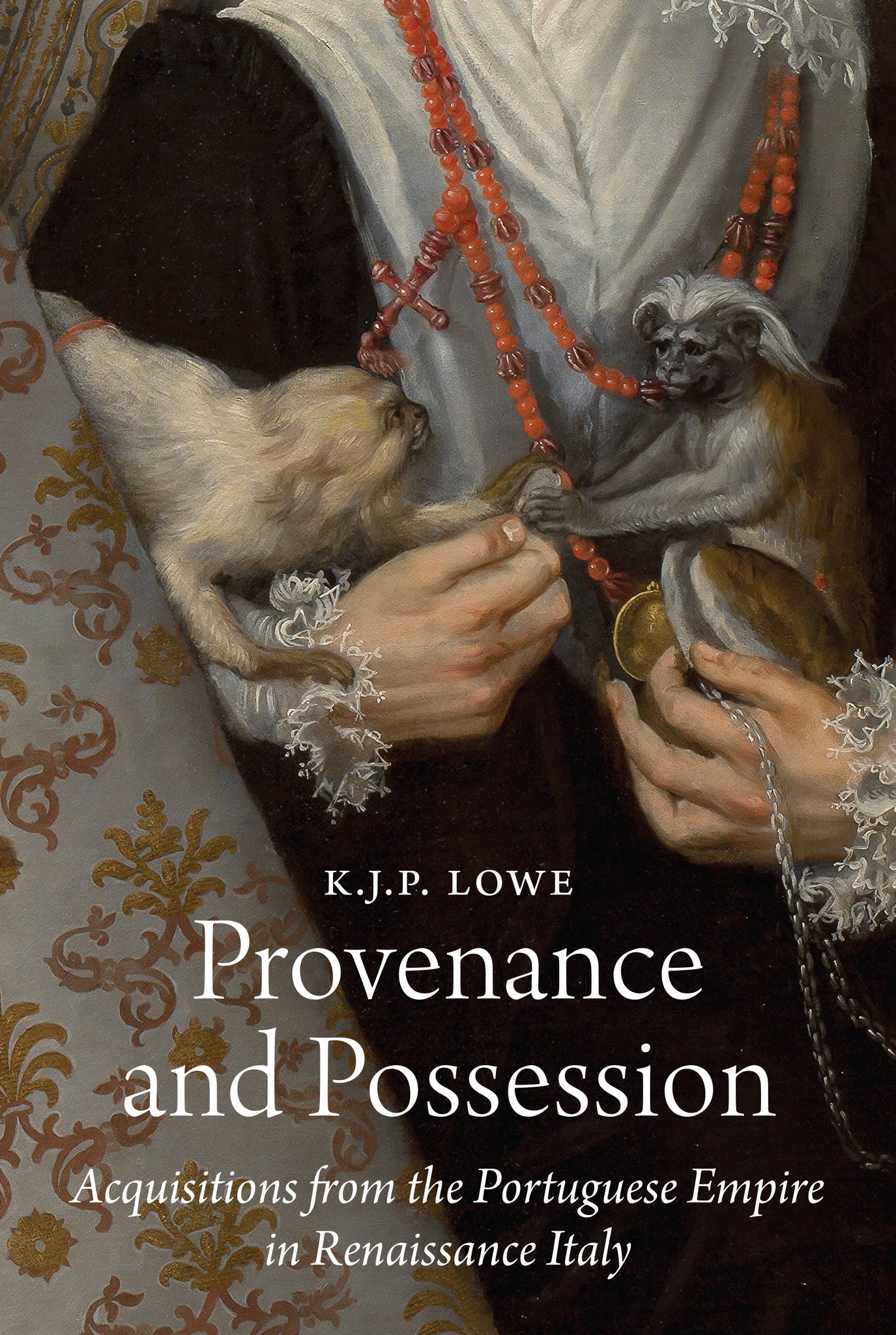
A thought-provoking study of how knowledge of provenance was not transferred with enslaved people and goods from the Portuguese trading empire to Renaissance Italy
In the fifteenth and sixteenth centuries, Renaissance Italy received a bounty of "goods" from Portuguese trading voyages—fruits of empire that included luxury goods, exotic animals and even enslaved people. Many historians hold that this imperial "opening up" of the world transformed the way Europeans understood the global. In this book, K.J.P. Lowe challenges such an assumption, showing that Italians of this era cared more about the possession than the provenance of their newly acquired global goods. With three detailed case studies involving Florence and Rome, and drawing on unpublished archival material, Lowe documents the myriad occasions on which global knowledge became dissociated from overseas objects, animals and people. Fundamental aspects of these imperial imports, including place of origin and provenance, she shows, failed to survive the voyage and make landfall in Europe. Lowe suggests that there were compelling reasons for not knowing or caring about provenance, and concludes that geographical knowledge, like all knowledge, was often restricted and not valued.
Examining such documents as ledger entries, journals and public and private correspondence as well as extant objects, and asking previously unasked questions, Lowe meticulously reconstructs the backstories of Portuguese imperial acquisitions, painstakingly supplying the context. She chronicles the phenomenon of mixed-ancestry children at Florence’s foundling hospital; the ownership of inanimate luxury goods, notably those possessed by the Medicis; and the acquisition of enslaved people and animals. How and where goods were acquired, Lowe argues, were of no interest to fifteenth- and sixteenth-century Italians; possession was paramount.
