


Some error occured while loading the Quick View. Please close the Quick View and try reloading the page.
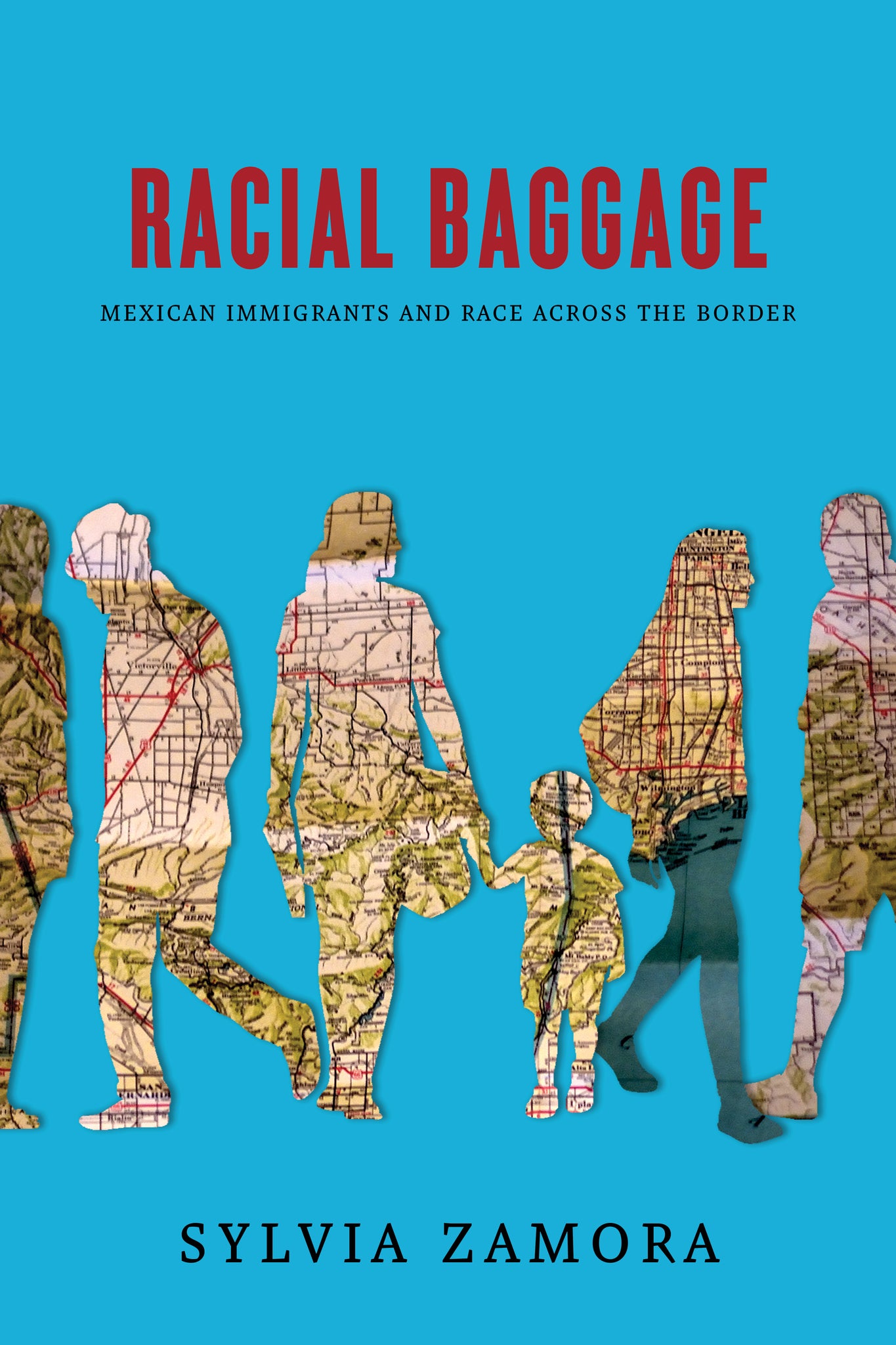
Upon arrival to the United States, Mexican immigrants are racialized as simultaneously non-White and "illegal." This racialization process complicates notions of race that they bring with them, as the "pigmentocracy" of Mexican society, in which their skin color may have afforded them more privileges within their home country, collides with the American racial system. Racial Baggage examines how immigration reconfigures U.S. race relations, illuminating how the immigration experience can transform understandings of race in home and host countries.
Drawing on interviews with Mexicans in Los Angeles and Guadalajara, sociologist Sylvia Zamora illustrates how racialization is a transnational process that not only changes immigrants themselves, but also everyday understandings of race and racism within the United States and Mexico. Within their communities and networks that span an international border, Zamora argues, immigrants come to define "race" in a way distinct from both the color-conscious hierarchy of Mexican society and the Black-White binary prevalent within the United States. In the process, their stories demonstrate how race is not static, but rather an evolving social phenomenon forever altered by immigration.

1. Race in Mexico: Mestizo Privilege
2. Racial Border Crossings
3. First Encounters with Race in El Norte
4. Settling In: Illegality and the U.S. Color Line
Conclusion: From Mestizo to Minority