


Some error occured while loading the Quick View. Please close the Quick View and try reloading the page.
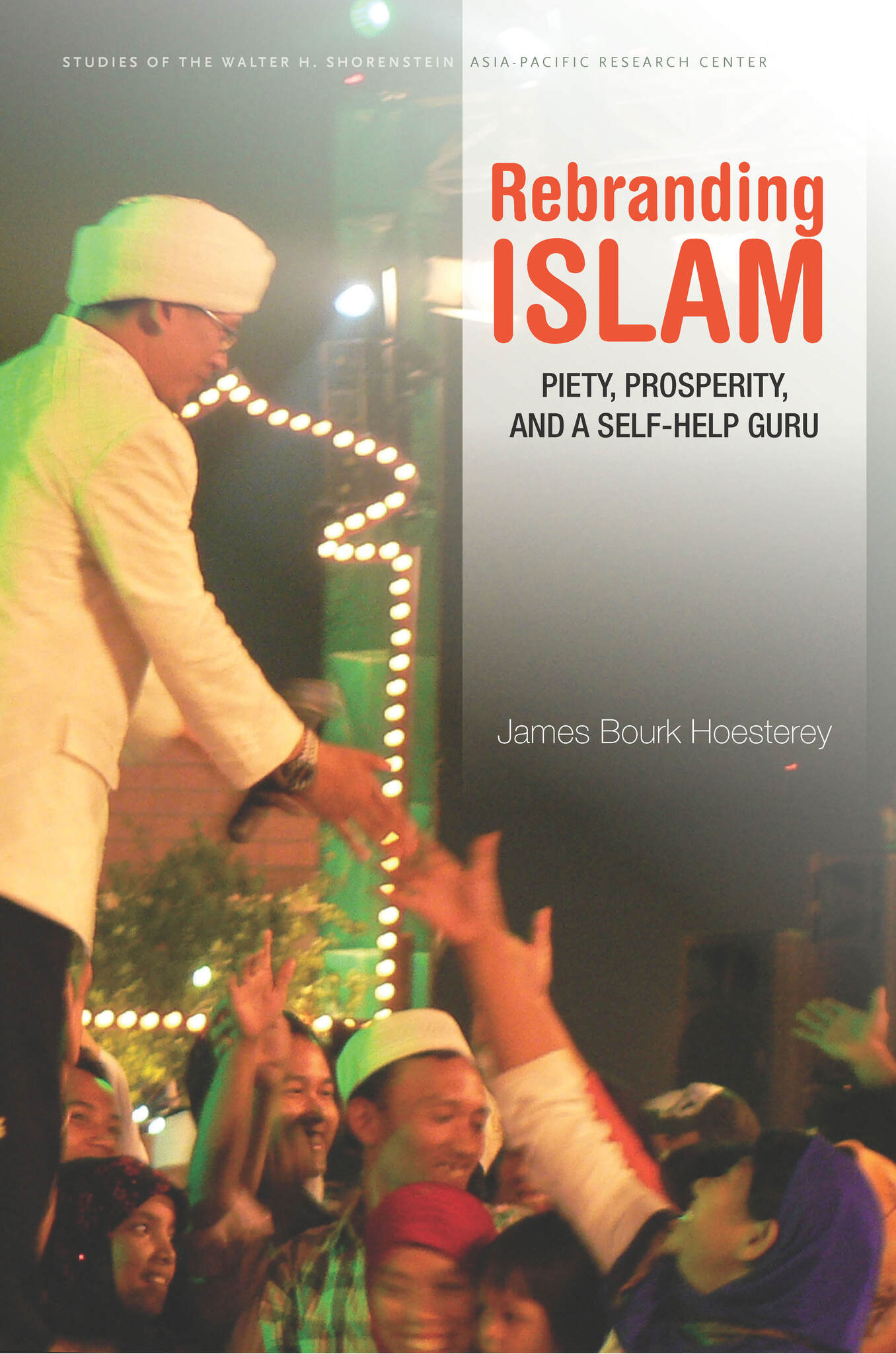
Kyai Haji Abdullah Gymnastiar, known affectionately by Indonesians as "Aa Gym" (elder brother Gym), rose to fame via nationally televised sermons, best-selling books, and corporate training seminars. In Rebranding Islam James B. Hoesterey draws on two years' study of this charismatic leader and his message of Sufi ideas blended with Western pop psychology and management theory to examine new trends in the religious and economic desires of an aspiring middle class, the political predicaments bridging self and state, and the broader themes of religious authority, economic globalization, and the end(s) of political Islam.
At Gymnastiar's Islamic school, television studios, and MQ Training complex, Hoesterey observed this charismatic preacher developing a training regimen called Manajemen Qolbu into Indonesia's leading self-help program via nationally televised sermons, best-selling books, and corporate training seminars. Hoesterey's analysis explains how Gymnastiar articulated and mobilized Islamic idioms of ethics and affect as a way to offer self-help solutions for Indonesia's moral, economic, and political problems. Hoesterey then shows how, after Aa Gym's fall, the former celebrity guru was eclipsed by other television preachers in what is the ever-changing mosaic of Islam in Indonesia. Although Rebranding Islam tells the story of one man, it is also an anthropology of Islamic psychology.

— Martin Slama
The Introduction frames the book in terms of the anthropology of psychology and it within theoretical conversations concerning religious authority, Muslim subjectivity, and the cultural politics of public piety. It argues that Aa Gym garnered religious authority through adept use of media and the deliberate cultivation of his personal brand in the religious marketplace of modernity. His authority was marked by distinctive affective and economic relationships between preacher-producer and consuming devotees. It also argues that Islamic self-help psychology promotes models of personhood that are commensurate with, but cannot be reduced to, neoliberal logics of self-enterprise and democratic notions of civic virtue. Aa Gym also leveraged his public pulpit into political voice in an attempt to discipline state actors during the drafting of controversial anti-pornography legislation. The Introduction argues that scholarly understandings of political Islam must focus on popular culture, not simply electoral politics and formal institutions.
Known across the Indonesian archipelago as a shrewd entrepreneur, doting husband, and virtuous family man, Gymnastiar legitimated his claim to religious authority through his ability to market himself as the embodiment of Islamic virtue. This chapter///////