


Some error occured while loading the Quick View. Please close the Quick View and try reloading the page.
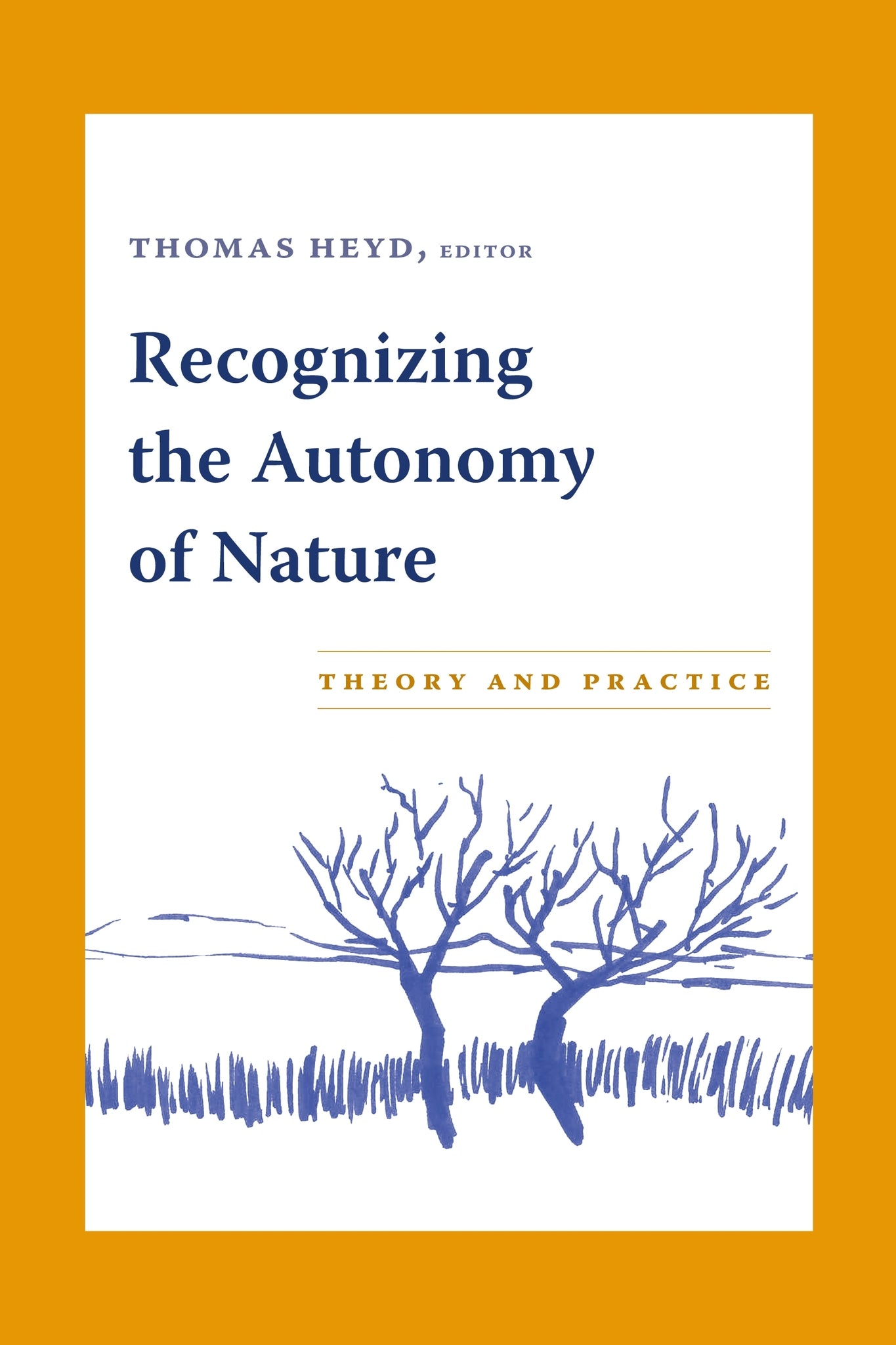
How do the ways in which we think about and describe nature shape the use and protection of the environment? Do our seemingly well-intentioned efforts in environmental conservation reflect a respect for nature or our desire to control nature's wildness? The contributors to this collection address these and other questions as they explore the theoretical and practical implications of a crucial aspect of environmental philosophy and policy-the autonomy of nature. In focusing on the recognition and meaning of nature's autonomy and linking issues of metaphysics, epistemology, ethics, and policy, the essays provide a variety of new perspectives on human relationships to nature.
The authors begin by exploring what is meant by "nature," in what sense it can be seen as autonomous, and what respect for the autonomy of nature might entail. They examine the conflicts that arise between the satisfaction of human needs (food, shelter, etc.) and the natural world. The contributors also consider whether the activities of human beings contribute to nature's autonomy. In their investigation of these issues, they not only draw on philosophy and ethics; they also discuss how the idea of nature's autonomy affects policy decisions regarding the protection of agricultural, rural, and beach areas.
The essays in the book's final section turn to management and restoration practices. The essays in this section pay close attention to how efforts at environmental protection alter or reinforce the traditional relationship between humans and nature. More specifically, the contributors examine whether management practices, as they are applied in nature conservation, actually promote the autonomy of nature, or whether they turn the environment into a "client" for policymakers.

Preface and Acknowledgments
1. Introduction: Recognizing the Autonomy of Nature: Theory and Practice, by Thomas Heyd
Part I. Nature and Autonomy of Nature: Are They Real?
2. Toward a Progressive Naturalism, by Val Plumwood
3. Is Nature Autonomous?, by Keekok Lee
Part II. Autonomous Nature and Human Interests: Are They Compatible?
4. The Liberation of Humanity and Nature, by Eric Katz
5. Respecting Nature's Autonomy in Relationship with Humanity, by Ned Hettinger
6. Autonomy and Agriculture, by William Throop and Beth Vickers
Part III. Management, Restoration, and the Autonomy of Nature: A Paradox?
7. Homo Administrator: Managing a Needy Nature?, by Dean Bavington
8. Purple Loosestrife and the "Bounding" of Nature in North American Wetlands, by John Sandlos
9. Restoration, Autonomy, and Domination, by Andrew Light
10. Ecological Restoration and the Renewal of Wildness and Freedom, by Mark Woods
11. Conclusion: Autonomy, Restoration, and the Law of Nature, by William R. Jordan III
List of Contributors
Index