


Some error occured while loading the Quick View. Please close the Quick View and try reloading the page.
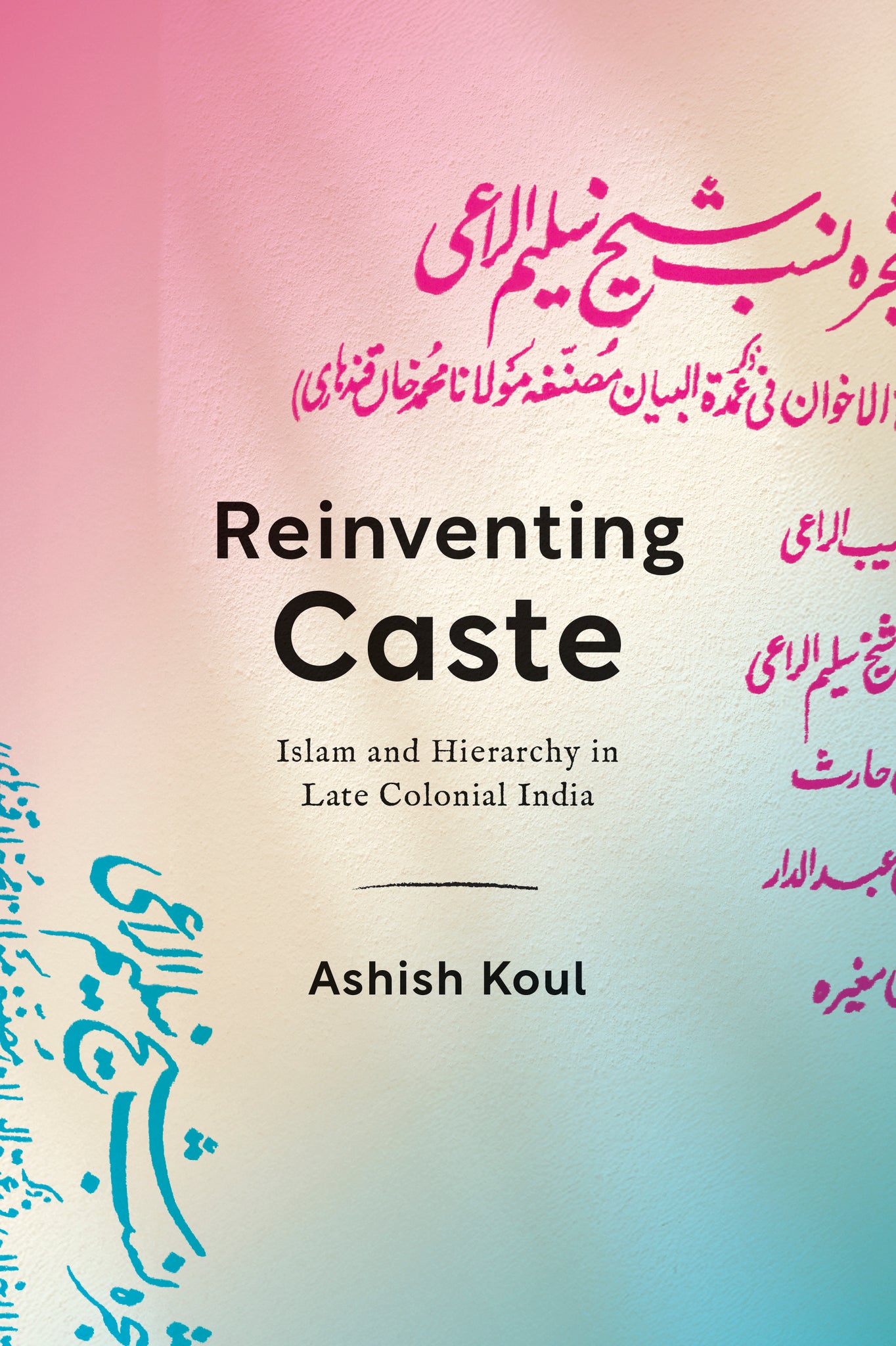
This book reveals that caste, usually assumed to be a feature of Hindu society, was in fact a trans-religious phenomenon in colonial India, as it is today. Even in an Islamic religious milieu that was supposedly more egalitarian than hierarchical Hinduism, colonial Indian subjects thought and acted in terms of caste. Through a focus on one agrarian Muslim caste known as Arains, Ashish Koul shows how some Indian Muslims transmuted caste and emplaced it within their understanding of Islam. During this time, Arain Muslims were derogatively called mali— gardener—instead of what they wished to be seen as—respectable landholders. Seeking to refute such negative portrayals, a group of elite Arains came together to develop a new Islamic vocabulary for caste.
Using primary sources in English and Urdu, Koul analyzes the intricacies of caste, religion, and politics among Muslims in colonial India. By asserting that being Arain was a way of being a true Muslim, elite Arains were able to intervene in significant debates about Muslim identity, colonial law, and political representation. Reinventing Caste shows that in order to understand why caste persists among South Asians, we must examine how caste consciousness has been entrenched within multiple religious traditions.

Acknowledgments
Note on Transliteration
Introduction
1. Arab-Muslims
2. Market-Gardeners Muslim in Little But Name
3. Caste Anjuman and Muslim Politics
4. Caste between Colonial and Quranic Law
5. Caste for Muslim Unity
Conclusion
Notes
Bibliography
Index