


Some error occured while loading the Quick View. Please close the Quick View and try reloading the page.
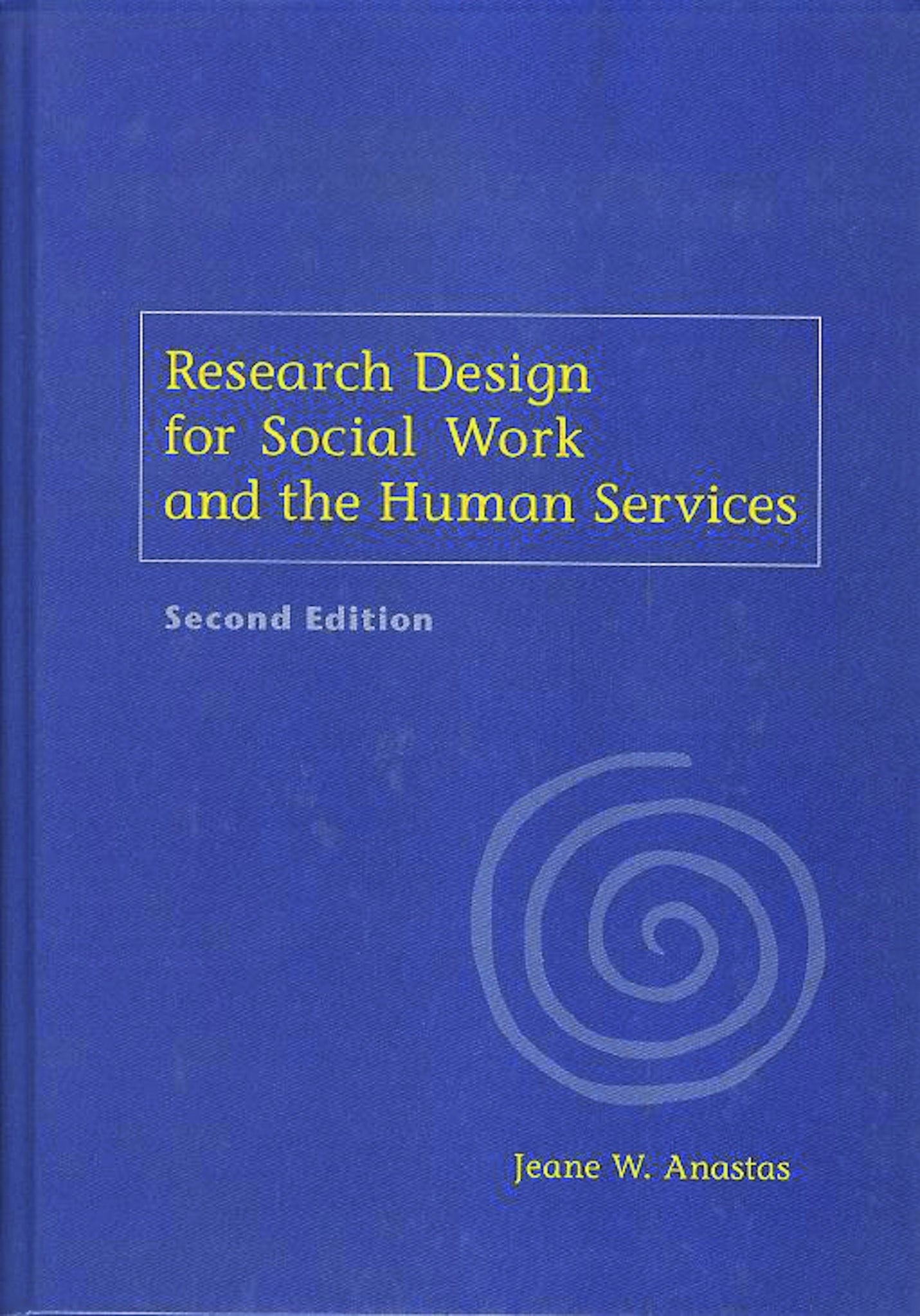
Research Design for Social Work and the Human Services integrates a range of research techniques into a single epistemological framework and presents a balanced approach to the teaching of research methods in the "helping professions." Jeane W. Anastas begins with a discussion of the different philosophical perspectives within which social research occurs and continues with problem formulation, research design, and methodological issues influencing data collection, analysis, and dissemination. She presents both fixed (quantitative) and flexible (qualitative) methods of research, granting legitimacy, value, utility, and relevance to both styles of inquiry.
Utilizing complete case studies to illustrate different methodological approaches, Research Design for Social Work and the Human Services integrates material on women and people of color, and draws attention to the ways racism, heterosexism, sexism, and classism affect the conceptualization and conduct of research. Anastas not only exposes these biases but actively addresses the experiences, needs, and concerns of clients of both genders and different races, ethnicities, sexual orientations, cultures, and classes.

Preface to the Second Edition
Preface to the First Edition
Acknowledgments
About the Author
Part I. Research Design in Context
1. The Nature of Science in the Helping Professions
2. The Problem Formulation Process
Part II. Types of Research Designs
3. Flexible Method Research
4. Flexible Methods: Case Study Design
5. Fixed Methods: Descriptive Research
6. Fixed Methods: Relational and Longitudinal Research
7. Fixed Methods: Experimental Research
8. Single-Subject Designs
Part III. The Elements of Research Design
9. Research Ethics for the Helping Professions
10. Who Will Be Studied: Sampling
11. Basic Issues in Data Collection
Part IV Methods of Data Collection
12. Observation
13. Interviewing
14. Questionnaire Design
15. Selecting an Existing Measure
Part V Methods of Data Analysis and Dissemination
16. The Content Analysis of Narrative Data
17. Descriptive Statistics
18. Principles of Inferential Statistics
19. Computer-Assisted Data Analysis, by James W. Drisko, DSW
20. Writing About Research
Glossary
References
Index