Skip to product information
1 of 1

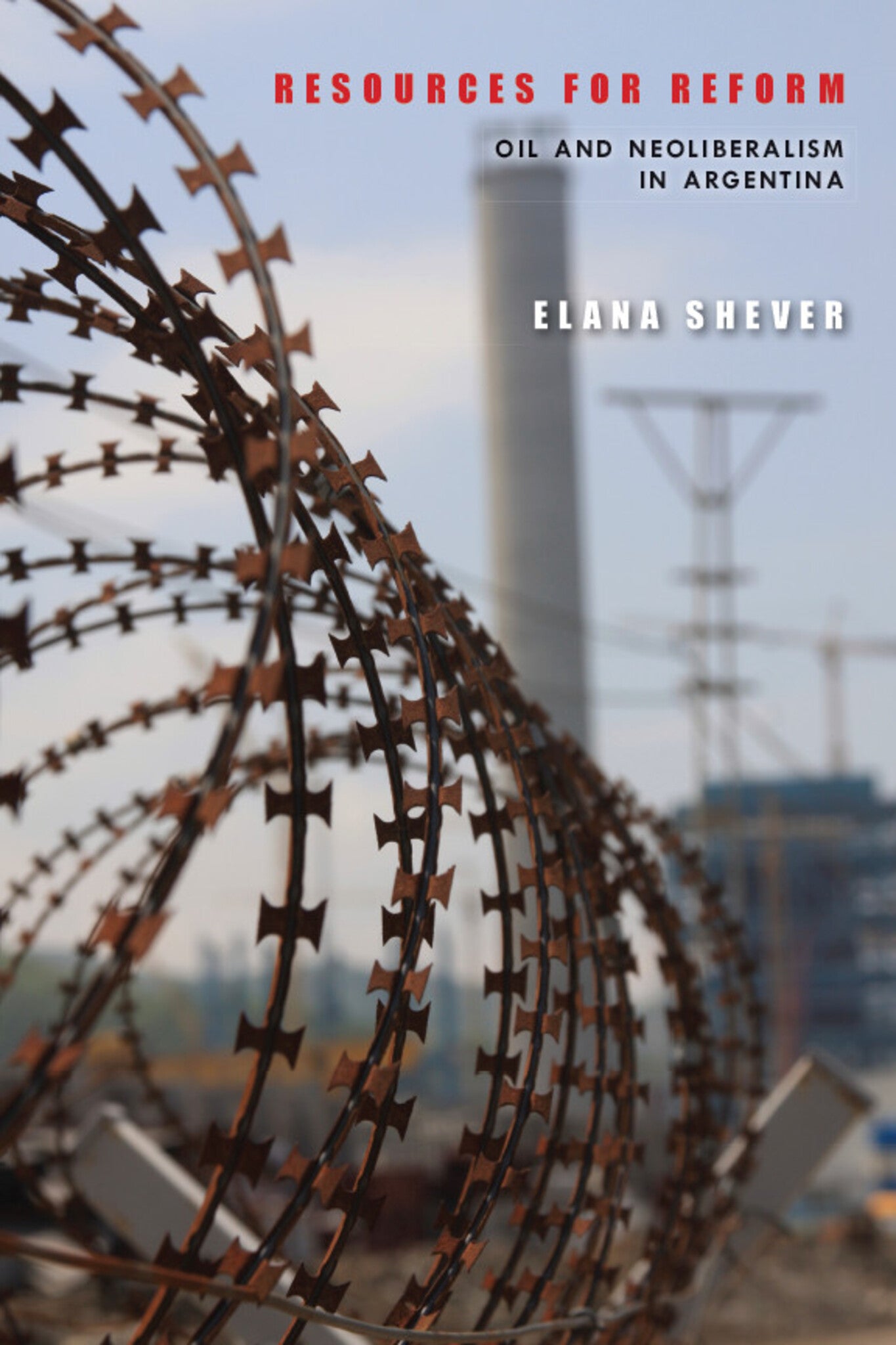
Resources for Reform

Regular price $26.00
Sale price $26.00 Regular price $26.00
Sale Sold out
While most people live far from the sites of oil production, oil politics involves us all. Resources for Reform explores how people's lives intersect with the increasingly globalized and concentrat...
Read More
  • Format:
  • 27 June 2012
View Product Details

While most people live far from the sites of oil production, oil politics involves us all. Resources for Reform explores how people's lives intersect with the increasingly globalized and concentrated oil industry through a close look at Argentina's experiment with privatizing its national oil company in the name of neoliberal reform.

Examining Argentina's conversion from a state-controlled to a private oil market, Elana Shever reveals interconnections between large-scale transformations in society and small-scale shifts in everyday practice, intimate relationships, and identity. This engaging ethnography offers a window into the experiences of middle-class oil workers and their families, impoverished residents of shanty settlements bordering refineries, and affluent employees of transnational corporations as they struggle with rapid changes in the global economy, their country, and their lives. It reverberates far beyond the Argentine oil fields and offers a fresh approach to the critical study of neoliberalism, kinship, citizenship, and corporations.

files/i.png Icon
Price: $26.00
Pages: 248
Publisher: Stanford University Press
Imprint: Stanford University Press
Publication Date: 27 June 2012
Trim Size: 9.00 X 6.00 in
ISBN: 9780804778404
Format: Paperback
BISACs:

"Shever's is one of just a handful of monographs that looks closely at the lived and embodies experience of transformations in resource sovereignty . . . [Shever] uses the transformation in resource sovereignty to build an instructive and nuanced lesson for understanding the multidimensionality of neoliberalism in practice . . . [I]n chapters describing and detailing its precise operations, Shever offers vivid ethnographic renderings of how the concept [of Argentinian neoliberalismo] manifests . . . Shever's study begins to clarify what history has only made more apparent regarding the struggle over natural resources. Who owns, benefits from, and will direct the future of their extraction and use is a politically volatile issue worthy of close and sustained ethnographic investigation."—Lisa Breglia, American Anthropologist
Elana Shever is Assistant Professor of Anthropology at Colgate University.