


Some error occured while loading the Quick View. Please close the Quick View and try reloading the page.
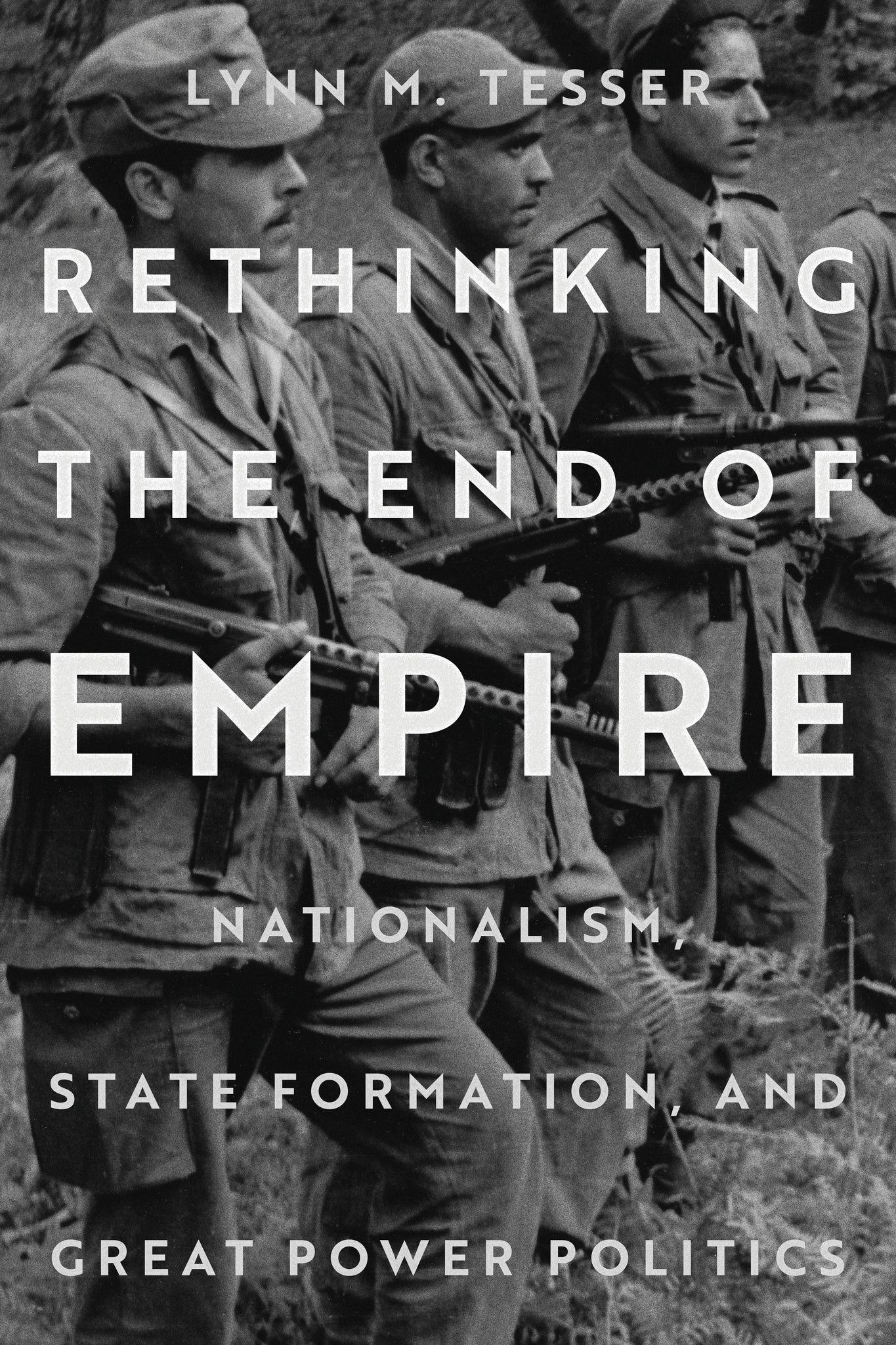
The return of great power politics at a time of surging nationalism invites a fresh look at why the world order centers on the nation-state. Why did a nation-state order emerge when nationalist activism was usually an elitist pursuit in the age of empire? Ordinary inhabitants and even most indigenous elites tended to possess religious, ethnic, or status-based identities rather than national identities. Why then did the desires of a typically small number result in wave after wave of new states? The answer has customarily centered on the actions of "nationalists" against weakening empires during a time of proliferating beliefs that "peoples" should control their own destiny. This book upends conventional wisdom by demonstrating that nationalism often existed more in the perceptions of external observers than of local activists and insurgents. Lynn M. Tesser adds nuance to scholarship that assumes most, if not all, pre-independence unrest was nationalist and separatist, and sheds light on why the various demands for change eventually coalesced around independence in some cases but not others.

INTRODUCTION
One THE AMERICAS
Two GREECE
Three THE BALKANS AND ANATOLIA
Four CENTRAL AND EASTERN EUROPE
Five ASIA AND AFRICA
CONCLUSION
Acknowledgments
Notes
Bibliography
Index