


Some error occured while loading the Quick View. Please close the Quick View and try reloading the page.
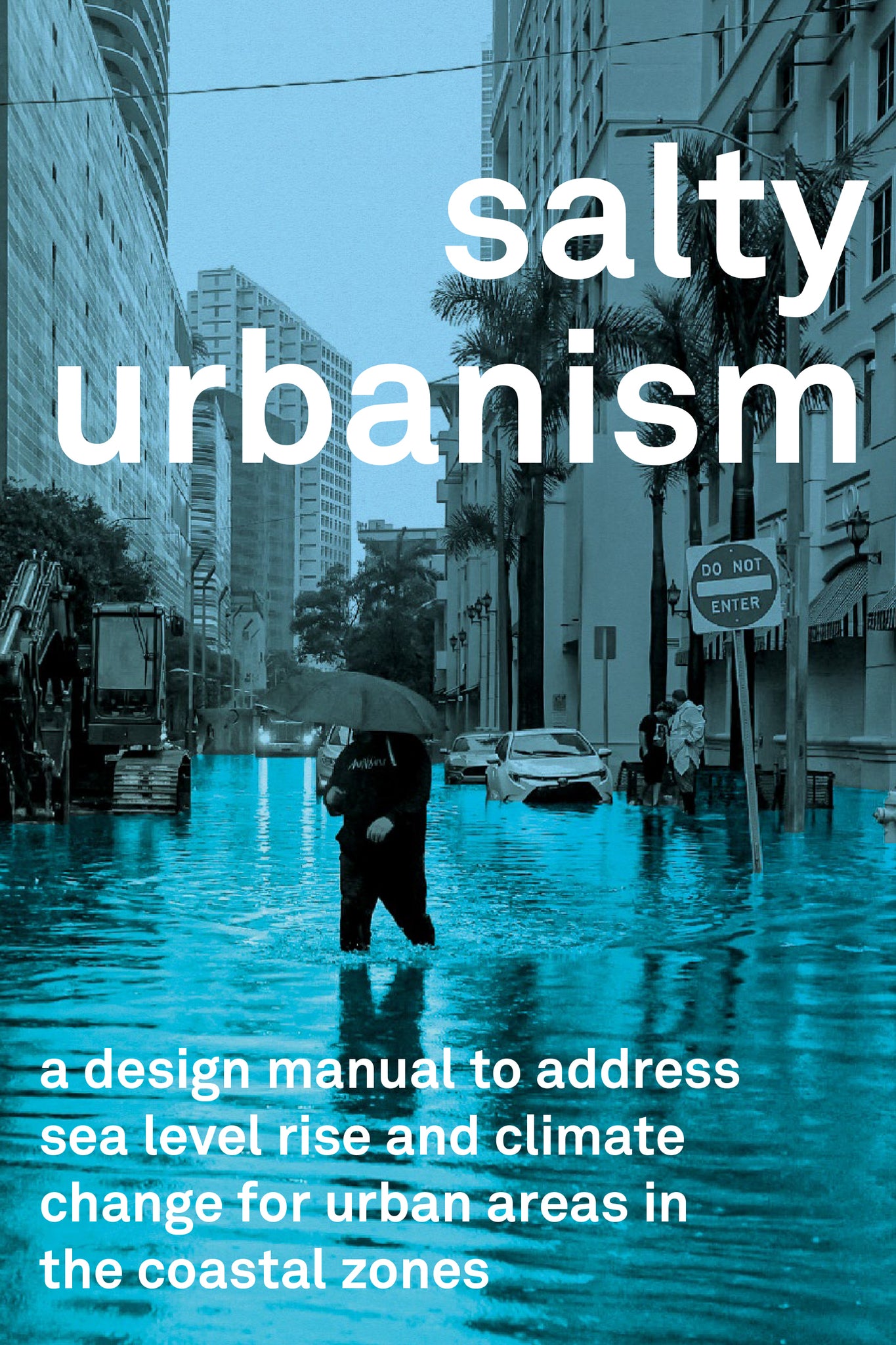
Salty Urbanism is a concept that refers to the ways in which cities and urban areas will respond and adapt to rising sea levels and the accompanying increase in salinity of coastal and near-coastal land. This phenomenon is caused by a combination of factors, including global warming, sea-level rise, and human development along coastlines.
Salty Urbanism can have a significant impact on urban infrastructure, such as roads, buildings, and water supply systems. As saltwater infiltrates freshwater sources, it can damage pipes and other infrastructure, leading to costly repairs and maintenance.
In response to Salty Urbanism, urban designers are exploring new strategies to adapt and mitigate the effects of rising sea levels and saltwater intrusion. These strategies include elevating buildings and infrastructure, implementing green infrastructure to absorb excess water, and developing coastal ecosystems to act as buffers against storm surges and flooding. Overall, Salty Urbanism highlights the urgent need for cities and urban areas to adapt and prepare for the ongoing and future impacts of climate change.
Salty Urbanism can have a significant impact on urban infrastructure, such as roads, buildings, and water supply systems. As saltwater infiltrates freshwater sources, it can damage pipes and other infrastructure, leading to costly repairs and maintenance.
In response to Salty Urbanism, urban designers are exploring new strategies to adapt and mitigate the effects of rising sea levels and saltwater intrusion. These strategies include elevating buildings and infrastructure, implementing green infrastructure to absorb excess water, and developing coastal ecosystems to act as buffers against storm surges and flooding. Overall, Salty Urbanism highlights the urgent need for cities and urban areas to adapt and prepare for the ongoing and future impacts of climate change.

Price: $39.95
Pages: 300
Publisher: ORO Editions
Imprint: ORO Editions
Publication Date:
25 June 2024
Trim Size: 9.00 X 6.00 in
ISBN: 9781957183756
Format: Paperback
"In this detailed, richly illustrated manual, Brooks + Scarpa principal Jeffrey Huber presents a new design methodology for an increasingly "salty" landscape, as rising seas reshape both build and natural environments. Using Fort Lauderdale—"the Venice of America"—as a case study, Huber has developed a comprehensive framework that encompasses infrastructure, architecture, and urbanism, challenging designers to rethink our relationship with water and explore how future development can become a resilient environmental asset rather than a liability." —Architectural Record