


Some error occured while loading the Quick View. Please close the Quick View and try reloading the page.
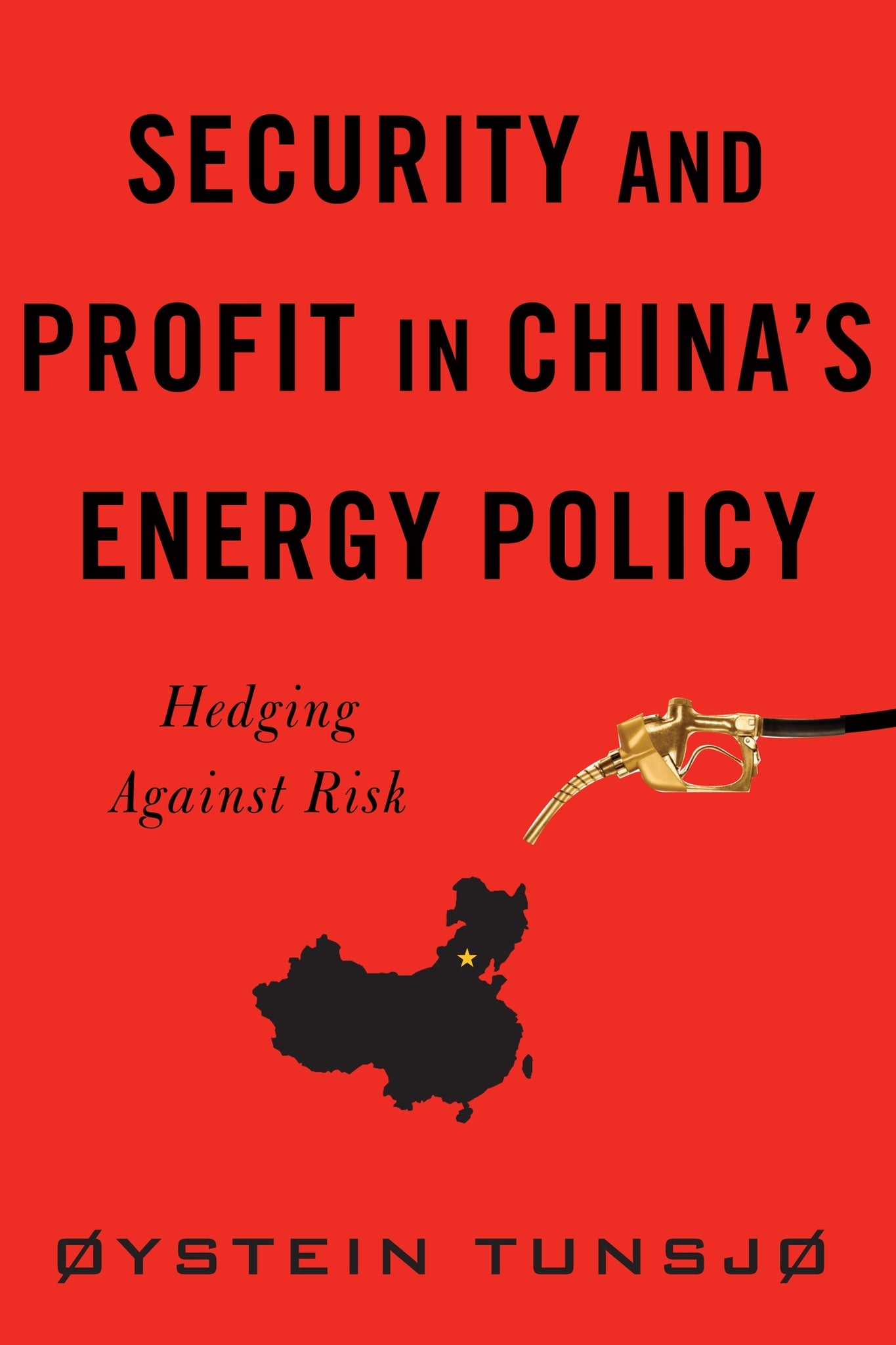
China has developed sophisticated hedging strategies to insure against risks in the international petroleum market. It has managed a growing net oil import gap and supply disruptions by maintaining a favorable energy mix, pursuing overseas equity oil production, building a state-owned tanker fleet and strategic petroleum reserve, establishing cross-border pipelines, and diversifying its energy resources and routes.
Though it cannot be "secured," China's energy security can be "insured" by marrying government concern with commercial initiatives. This book comprehensively analyzes China's domestic, global, maritime, and continental petroleum strategies and policies, establishing a new theoretical framework that captures the interrelationship between security and profit. Arguing that hedging is central to China's energy-security policy, this volume links government concerns about security of supply to energy companies' search for profits, and by drawing important distinctions between threats and risks, peacetime and wartime contingencies, and pipeline and seaborne energy-supply routes, the study shifts scholarly focus away from securing and toward insuring an adequate oil supply and from controlling toward managing any disruptions to the sea lines of communication. The book is the most detailed and accurate look to date at how China has hedged its energy bets and how its behavior fits a hedging pattern.

List of Maps
Acknowledgments
List of Abbreviations
Glossary
1. Introduction
2. China's Energy Security: A New Framework for Analysis
3. China's Domestic Energy Sector
4. The Global Search for Petroleum
5. Safeguarding China's Seaborne Petroleum Supplies
6. China's Continental Petroleum Strategy
7. Global
8. Conclusion
Notes
Bibliography
Index