


Some error occured while loading the Quick View. Please close the Quick View and try reloading the page.
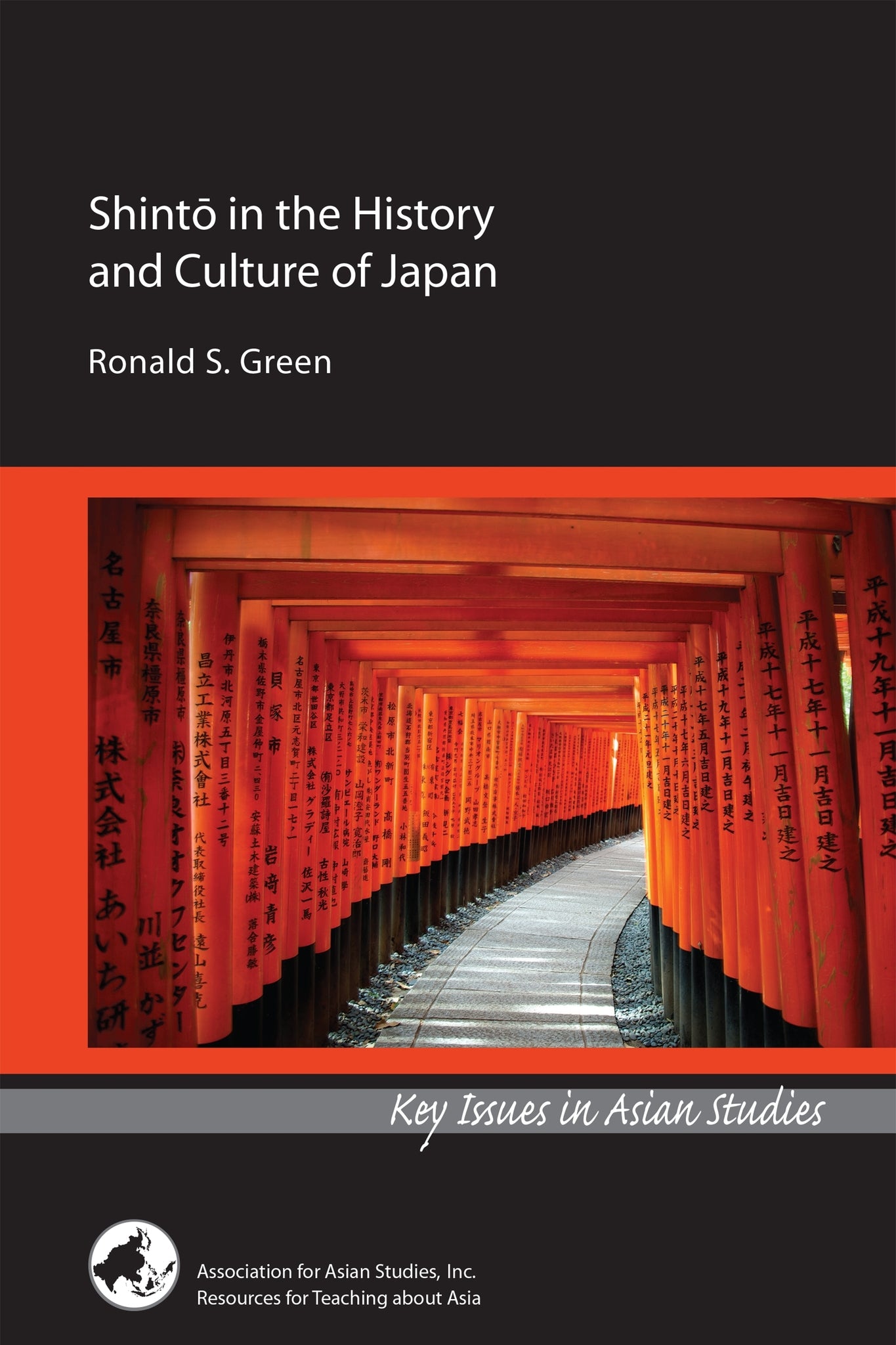
After Japanese emperor Naruhito ascended the Chrysanthemum throne in 2019, he preformed a secretive ritual funded by the state by offering newly harvested rice to the Shintō sun goddess Amaterasu, mythological progenitor of the imperial family, raising controversy and puzzlement both inside Japan and out. This book is a concise overview of Shintō through a survey of its key concepts, related archeological finds, central mythology, significant cultural sites, political dimensions, and historical developments. Its goal is to promote an understanding of Shintō as an enduring cultural phenomenon central to Japan past and present. Readers discover how Shintō honors nature, reveres mountains and rivers as living entities, why it famously asserts that eight million nature spirits, known as kami, surround the Japanese people in their homeland, and how politics have always been central to these positions.

Price: $17.00
Pages: 108
Publisher: Association for Asian Studies
Imprint: Association for Asian Studies
Series: Key Issues in Asian Studies
Publication Date:
30 September 2020
Trim Size: 9.00 X 6.00 in
ISBN: 9780924304910
Format: Paperback
RONALD S. GREEN is Associate Professor of Asian Religions at Coastal Carolina University. He is a specialist in Asian religions with a focus in the history and philosophy of Japanese Buddhism. His research interests and writings include Gomyo and early Japanese Yogacara (Hosso-shu), Kuiji's attempt to reconcile Buddha Nature with Gotra theory, Kūkai's Ten Abodes of Mind, Yogacara and Shingon in comparative philosophy. He also studies how Buddhism and hagiography are presented along the Shikoku pilgrimage and in popular culture media including film, manga, and contemporary Japanese fiction.