


Some error occured while loading the Quick View. Please close the Quick View and try reloading the page.
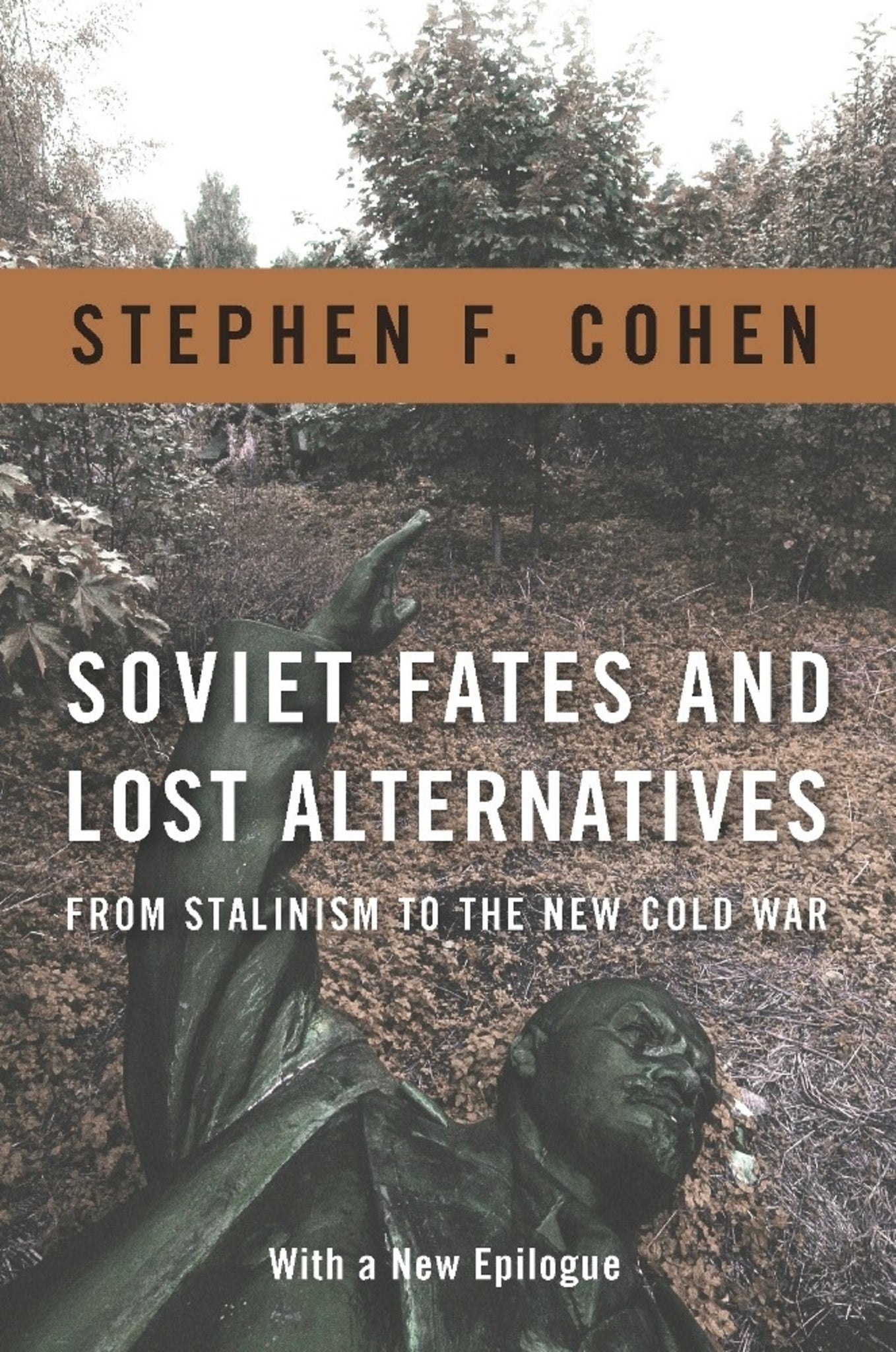
In this wide-ranging and acclaimed book, Stephen F. Cohen challenges conventional wisdom about the course of Soviet and post-Soviet history. Reexamining leaders from Nikolai Bukharin, Stalin's preeminent opponent, and Nikita Khrushchev to Mikhail Gorbachev and his rival Yegor Ligachev, Cohen shows that their defeated policies were viable alternatives and that their tragic personal fates shaped the Soviet Union and Russia today. Cohen's ramifying arguments include that Stalinism was not the predetermined outcome of the Communist Revolution; that the Soviet Union was reformable and its breakup avoidable; and that the opportunity for a real post-Cold War relationship with Russia was squandered in Washington, not in Moscow. This is revisionist history at its best, compelling readers to rethink fateful events of the twentieth and early twenty-first centuries and the possibilities ahead.
In his new epilogue, Cohen expands his analysis of U.S. policy toward post-Soviet Russia, tracing its development in the Clinton and Obama administrations and pointing to its initiation of a "new Cold War" that, he implies, has led to a fateful confrontation over Ukraine.

Introduction: Alternatives and Fates
1. Bukharin's Fate
2. The Victims Return: Gulag Survivors Since Stalin
3. The Tragedy of Soviet Conservatism
4. Was the Soviet System Reformable?
5. The Fate of the Soviet Union: Why Did It End?
6. Gorbachev's Lost Legacies
7. Who Lost the Post-Soviet Peace?
About the Notes
Notes
Index