


Some error occured while loading the Quick View. Please close the Quick View and try reloading the page.
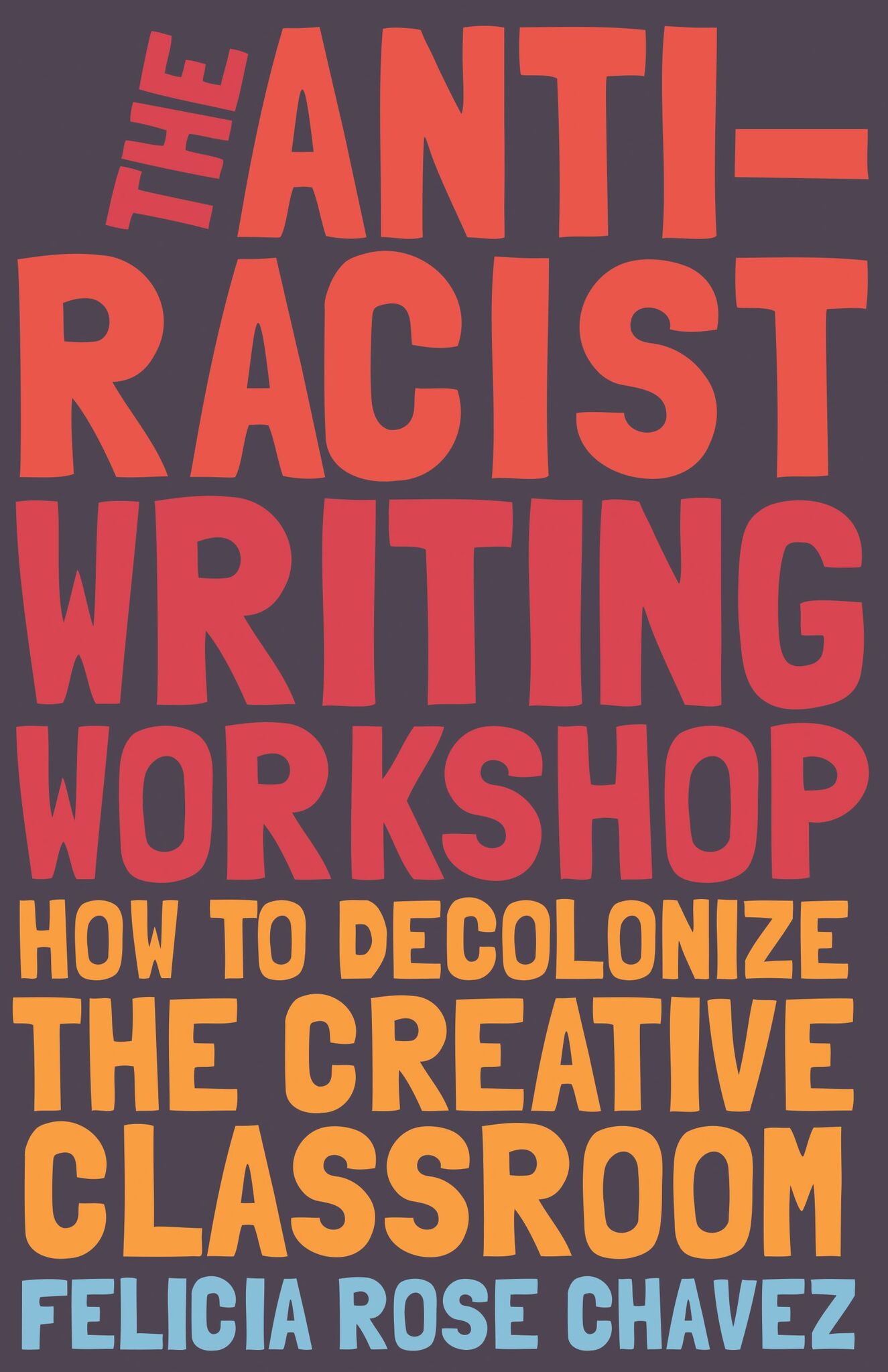
The Antiracist Writing Workshop is a call to create healthy, sustainable, and empowering artistic communities for a new millennium of writers. Inspired by June Jordan 's 1995 Poetry for the People, here is a blueprint for a 21st-century workshop model that protects and platforms writers of color. Instead of earmarking dusty anthologies, imagine workshop participants Skyping with contemporary writers of difference. Instead of tolerating bigoted criticism, imagine workshop participants moderating their own feedback sessions. Instead of yielding to the red-penned judgement of instructors, imagine workshop participants citing their own text in dialogue. The Antiracist Writing Workshop is essential reading for anyone looking to revolutionize the old workshop model into an enlightened, democratic counterculture.

Felicia Rose Chavez is a digital storyteller with an MFA in creative nonfiction from the University of Iowa. An award-winning educator, Felicia served as Program Director to Young Chicago Authors and founded GirlSpeak, a feminist webzine for high school students. She went on to teach writing at the University of New Mexico, where she was distinguished as the Most Innovative Instructor of the Year, the University of Iowa, where she was distinguished as the Outstanding Instructor of the Year, and Colorado College, where she received the Theodore Roosevelt Collins Outstanding Faculty Award. Her creative scholarship earned her a Ronald E. McNair Fellowship, a University of Iowa Graduate Dean 's Fellowship, and a Riley Scholar Fellowship. She is a co-editor, with Willie Perdomo and José Olivarez, of The BreakBeat Poets Vol. 4: LatiNext, and her work has been featured in the Kenyon Review, Black Warrior Review, The Normal School, and Brevity, among others.
Introduction
Chapter One: Decolonizing the Creative Classroom
Chapter Two: Preparing for Change
Chapter Three: Fostering Engagement, Mindfulness, and Generosity
Chapter Four: Instituting Reading and Writing Rituals
Chapter Five: Completing the Canon
Chapter Six: Owning the Language of Craft
Chapter Seven: TeachingWriters to Workshop
Chapter Eight:Conferencing as Critique
Chapter Nine: Promoting Camaraderie and Collective Power
Appendix: Platforming Writers of Color: A 21st Century Reference Guide