


Some error occured while loading the Quick View. Please close the Quick View and try reloading the page.
A free ebook version of this title is available through Luminos, University of California Press's Open Access publishing program. Visit www.luminosoa.org to learn more.
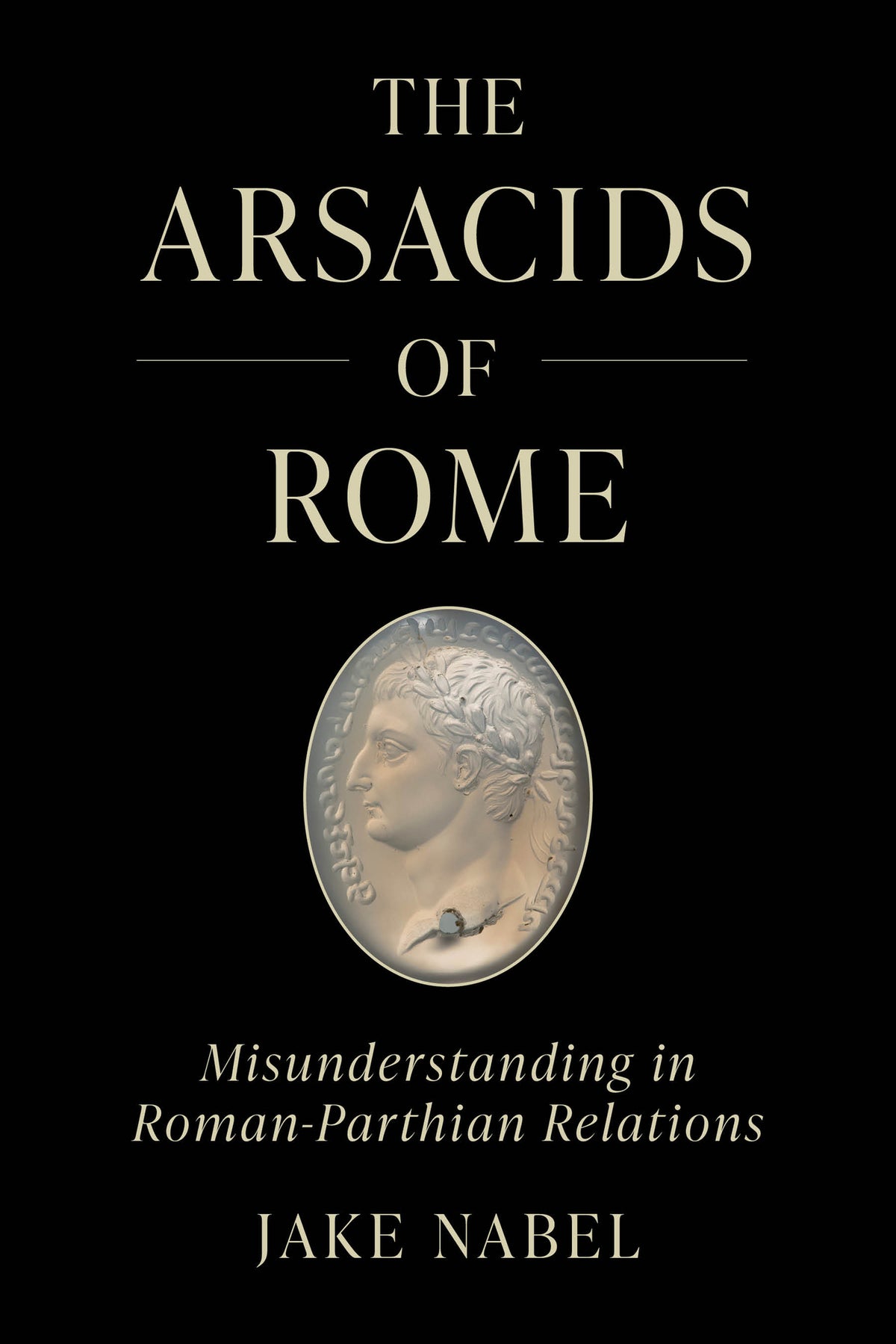
At the beginning of the common era, the two major imperial powers of the ancient Mediterranean and Near East were Rome and Parthia. In this book, Jake Nabel analyzes Roman-Parthian interstate politics by focusing on a group of princes from the Arsacid family—the ruling dynasty of Parthia—who were sent to live at the Roman court. Although Roman authors called these figures “hostages” and scholars have studied them as such, Nabel draws on Iranian and Armenian sources to argue that the Parthians would have seen them as the emperor’s foster-children. These divergent perspectives allowed each empire to perceive itself as superior to the other, since the two sides interpreted the exchange of royal children through conflicting cultural frameworks. Moving beyond the paradigm of great powers in conflict, The Arsacids of Rome advances a new vision of interstate relations with misunderstanding at its center.
At the beginning of the common era, the two major imperial powers of the ancient Mediterranean and Near East were Rome and Parthia. In this book, Jake Nabel analyzes Roman-Parthian interstate politics by focusing on a group of princes from the Arsacid family—the ruling dynasty of Parthia—who were sent to live at the Roman court. Although Roman authors called these figures “hostages” and scholars have studied them as such, Nabel draws on Iranian and Armenian sources to argue that the Parthians would have seen them as the emperor’s foster-children. These divergent perspectives allowed each empire to perceive itself as superior to the other, since the two sides interpreted the exchange of royal children through conflicting cultural frameworks. Moving beyond the paradigm of great powers in conflict, The Arsacids of Rome advances a new vision of interstate relations with misunderstanding at its center.

Price: $34.95
Pages: 283
Publisher: University of California Press
Imprint: University of California Press
Series: Iran and the Ancient World
Publication Date:
15 April 2025
Trim Size: 9.00 X 6.00 in
ISBN: 9780520413061
Format: Paperback
BISACs:
Jake Nabel is the Tombros Early Career Professor of Classical Studies and Assistant Professor of Classics and Ancient Mediterranean Studies at Pennsylvania State University.
Contents
List of Illustrations
Series Preface
A Note on Translations, Transliterations, and Abbreviations
Introduction
1. Submission I: The Fosterage Background
2. Submission II: Parthian Pragmatism
3. Reception: The Arsacids at Rome
4. Remission: The Emperor as Parthian Aristocrat
5. Return: The Parthian Kingships of the Arsacids of Rome
Conclusion
Acknowledgments
References
Index
List of Illustrations
Series Preface
A Note on Translations, Transliterations, and Abbreviations
Introduction
1. Submission I: The Fosterage Background
2. Submission II: Parthian Pragmatism
3. Reception: The Arsacids at Rome
4. Remission: The Emperor as Parthian Aristocrat
5. Return: The Parthian Kingships of the Arsacids of Rome
Conclusion
Acknowledgments
References
Index