


Some error occured while loading the Quick View. Please close the Quick View and try reloading the page.
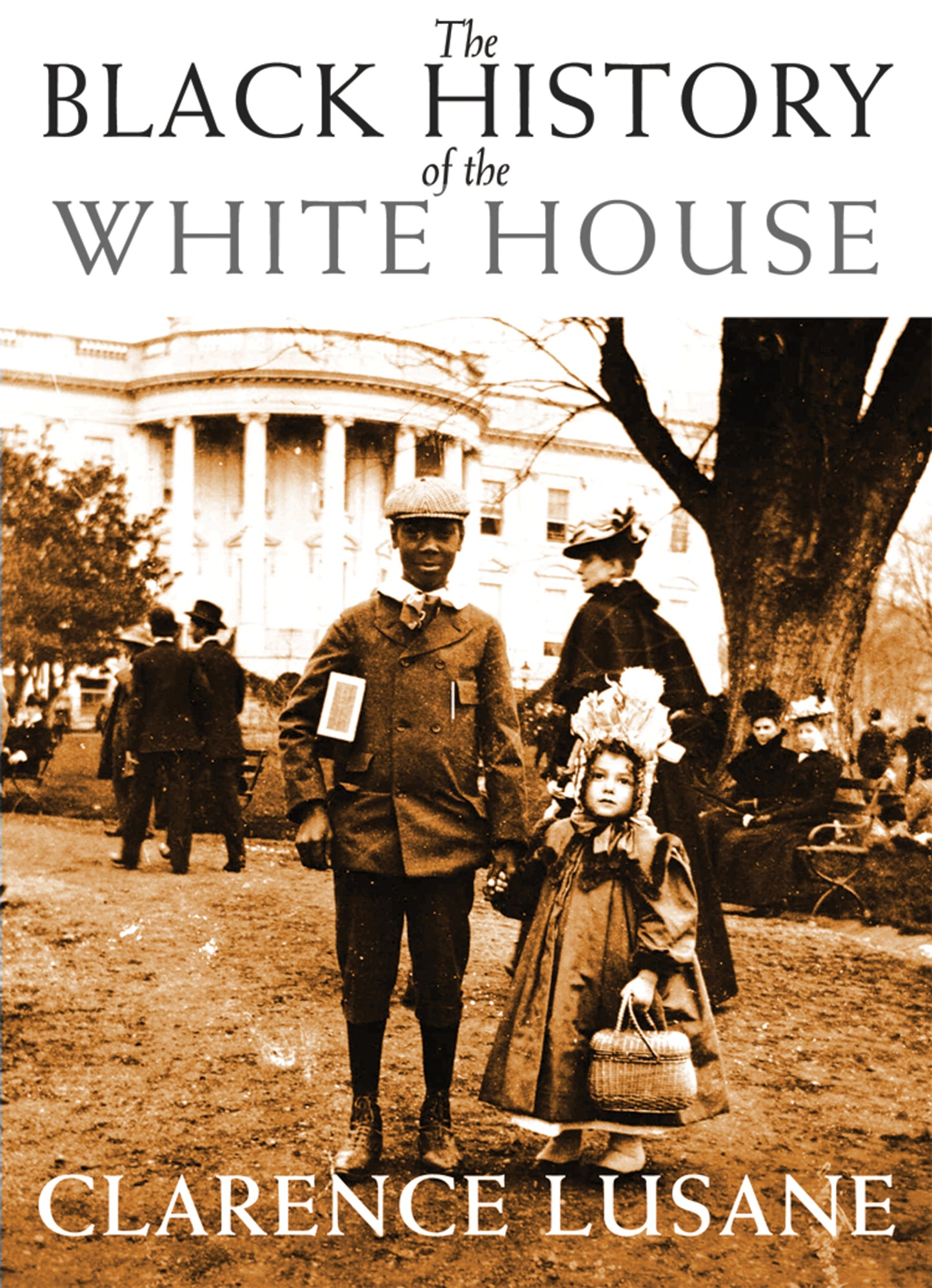
The Black History of the White House presents the untold history, racial politics, and shifting significance of the White House as experienced by African Americans, from the generations of enslaved people who helped to build it or were forced to work there to its first black First Family, the Obamas.
Clarence Lusane juxtaposes significant events in White House history with the ongoing struggle for democratic, civil, and human rights by black Americans and demonstrates that only during crises have presidents used their authority to advance racial justice. He describes how in 1901 the building was officially named the “White House” amidst a furious backlash against President Roosevelt for inviting Booker T. Washington to dinner, and how that same year that saw the consolidation of white power with the departure of the last black Congressmember elected after the Civil War. Lusane explores how, from its construction in 1792 to its becoming the home of the first black president, the White House has been a prism through which to view the progress and struggles of black Americans seeking full citizenship and justice.
"In this beautifully rendered narrative, Clarence Lusane recasts the whole of American history by revealing how slavery and emancipation, racial violence and civil rights, the black freedom movement and white supremacy, and dozens of unsung black heroes shaped the U.S. presidency and federal government in profound ways."—Robin D.G. Kelley
"Clarence Lusane is one of America’s most thoughtful and critical thinkers on issues of race, class and power."—Manning Marable
"In this fascinating history of all the enslaved people, workers and entertainers who spent time in the president's official residence over the years, Clarence Lusane restores the White House to its true colors."—Barbara Ehrenreich
"Reading The Black History of the White House shows us how much we DON'T know about our history, politics, and culture. In a very accessible and polished style, Clarence Lusane takes us inside the key national events of the American past and present."—Howard Winant

"Those who think they know their presidents may be in for surprises in Clarence Lusane's fascinating social history that begins: 'More than one in four U.S. presidents were involved in human trafficking and slavery.These presidents bought, sold, bred and enslaved black people for profit. Of the 12 presidents who were enslavers, more than half kept people in bondage at the White House.' Lusane, an American University professor, weaves in stories of people like Paul Jennings, born into slavery on James Madison's farm, who at 10 was a White House footman andin 1865 wrote the first White House memoir, A Colored Man's Reminiscences of James Madison."—USA Today
"The White House was built with slave labor and at least six US presidents owned slaves during their time in office. With these facts, Clarence Lusane, a political science professor at American University, opens The Black History of the White House, a fascinating story of race relations that plays out both on the domestic front and the international stage. As Lusane writes, 'The Lincoln White House resolved the issue of slavery, but not that of racism.' Along with the political calculations surrounding who gets invited to the White House are matters of musical tastes and opinionated first ladies,ingredients that make for good storytelling."—Boston Globe
"The Obamas were the first African American first family, but not the first residents. This thoroughly researched and gripping book shares the untold stories of some of the people who were enslaved by U.S. presidents, including stories of resistance and escape. Lusane describes the myriad ways that the White House and the lives of African Americans have been intertwined throughout U.S. history. This is the only book to document this essential story in our country's history."—Rethinking Schools
"Clarence Lusane's Black History of the White House came out late last year and flew under the radar at most of the major book reviews. But Lusane is an elegant, impassioned writer, and the book—which is full of stories we’d never encountered in American History 101—is totally engrossing."—The Observer's "Very Short List"
"The author concludes from his research that there is little doubt the first African American in the White House was a slave. In fact, 25 percent of our presidents were slaveholders. And between the time of slavery and now—with our nation's first black president—there is a long and storied history of blacks in the White House, from servants to lobbyists to Secret Service agents, reporters, activists, officials and more."—Chicago Sun Times
"The Black History of the White House features stories of those who were forced to work on the construction of 1600 Pennsylvania Ave. and the White House slaves and servants who went on to write books."—The Philadelphia Tribune
"In eloquent language, Lusane shows how the African American experience helped shape a series of presidential administrations and governmental policies."—Sacramento Bee
"Despite the racial progress represented by the election of the first black president of the U.S., the nation's capital has a very complicated and often unflattering racial history. Lusane traces the racial history of the White House from George Washington to Barack Obama."—Booklist
"Slaves have toiled in the White House; 25 percent of our Presidents were slaveholders. Lusane reminds readers of the place of the President's house, from its very construction onward, in African American history, a tale all-too rarely told."—Library Journal
"…carefully documents the travails of a polity in which African-Americans were so essential and prevalent, but that struggled endlessly to maintain, then dismantle, the institution of slavery…A lively, opinionated survey, telling a story that the textbooks too often overlook."—Kirkus Reviews