


Some error occured while loading the Quick View. Please close the Quick View and try reloading the page.
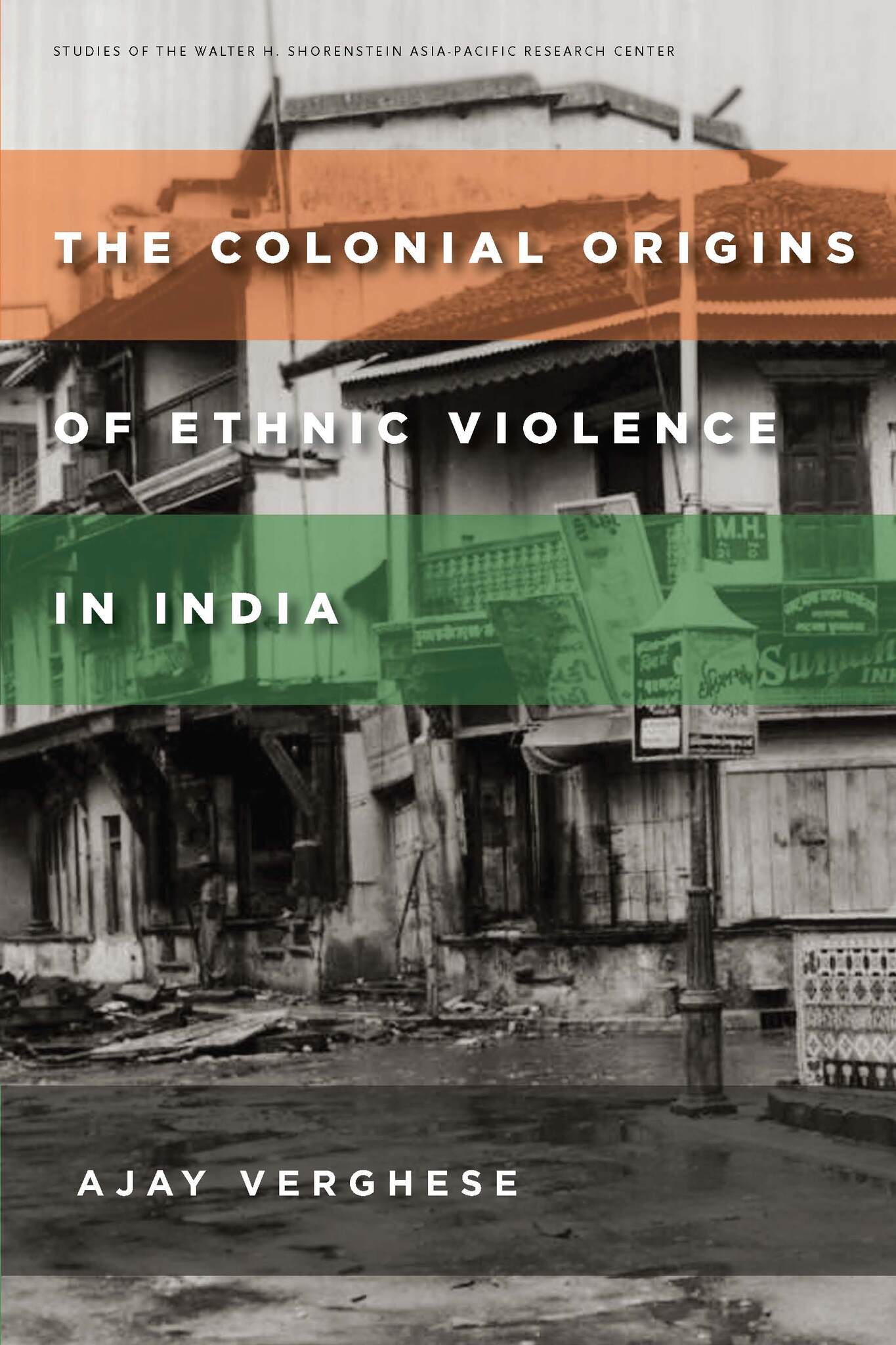
The neighboring north Indian districts of Jaipur and Ajmer are identical in language, geography, and religious and caste demography. But when the famous Babri Mosque in Ayodhya was destroyed in 1992, Jaipur burned while Ajmer remained peaceful; when the state clashed over low-caste affirmative action quotas in 2008, Ajmer's residents rioted while Jaipur's citizens stayed calm. What explains these divergent patterns of ethnic conflict across multiethnic states? Using archival research and elite interviews in five case studies spanning north, south, and east India, as well as a quantitative analysis of 589 districts, Ajay Verghese shows that the legacies of British colonialism drive contemporary conflict.
Because India served as a model for British colonial expansion into parts of Africa and Southeast Asia, this project links Indian ethnic conflict to violent outcomes across an array of multiethnic states, including cases as diverse as Nigeria and Malaysia. The Colonial Origins of Ethnic Violence in India makes important contributions to the study of Indian politics, ethnicity, conflict, and historical legacies.

1. Colonialism, Institutions, and Ethnic Violence in India
2. Violence in North India: Jaipur and Ajmer
3. Violence in South India: Malabar and Travancore
4. Explaining Violence in East India: Bastar
5. Patterns of Ethnic Violence Across Contemporary India
6. The Indian Model of Colonialism
Conclusion