


Some error occured while loading the Quick View. Please close the Quick View and try reloading the page.
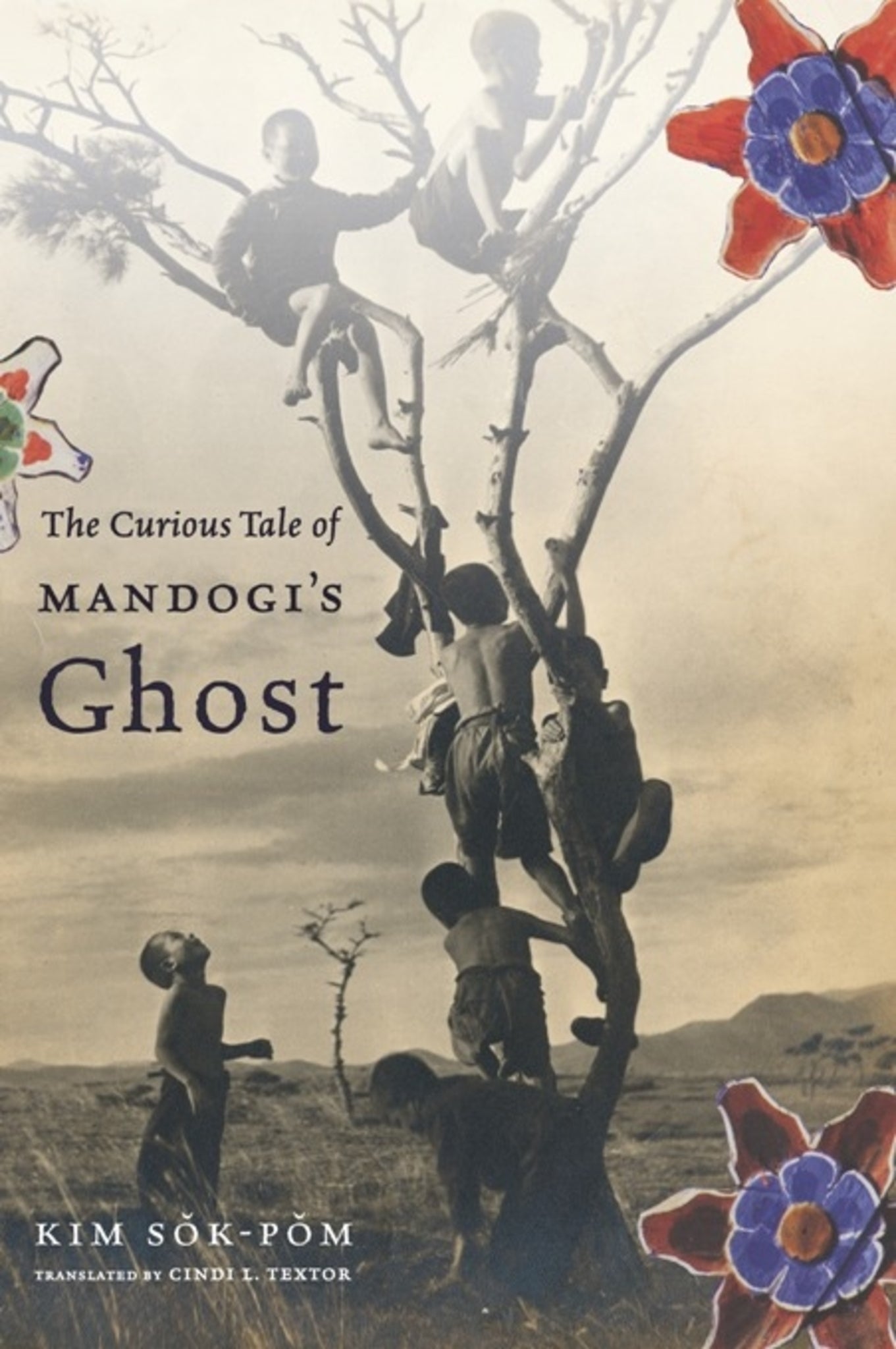
The Curious Tale of Mandogi's Ghost incorporates Korean folk tales, ghost stories, and myth into a phenomenal depiction of epic tragedy. Written by a zainichi, a permanent resident of Japan who is not of Japanese ancestry, the novel tells the story of Mandogi, a young priest living on the island of Cheju-do. Mandogi becomes unwittingly involved in the Four-Three Incident of 1948, in which the South Korean government brutally suppressed an armed peasant uprising and purged Cheju-do of communist sympathizers. Although Mandogi is sentenced to death for his part in the riot, he survives (in a sense) to take revenge on his enemies and fully commit himself to the resistance.
Mandogi's indeterminate, shapeshifting character is emblematic of Japanese colonialism's outsized impact on both ruler and ruled. A central work of postwar Japanese fiction, The Curious Tale of Mandogi's Ghost relates the trauma of a long-forgotten history and its indelible imprint on Japanese and Korean memory.

Kim Sok-pom (b. 1925) was born in Osaka, Japan, to Korean parents who emigrated from the island of Cheju-do. He is best known for his seven-volume fictional work, Kazanto (Volcano Island), which centers on the Cheju Uprising of 1948.
Cindi Textor is a Ph.D. student in the Department of Asian Languages and Literature at the University of Washington–Seattle.