


Some error occured while loading the Quick View. Please close the Quick View and try reloading the page.
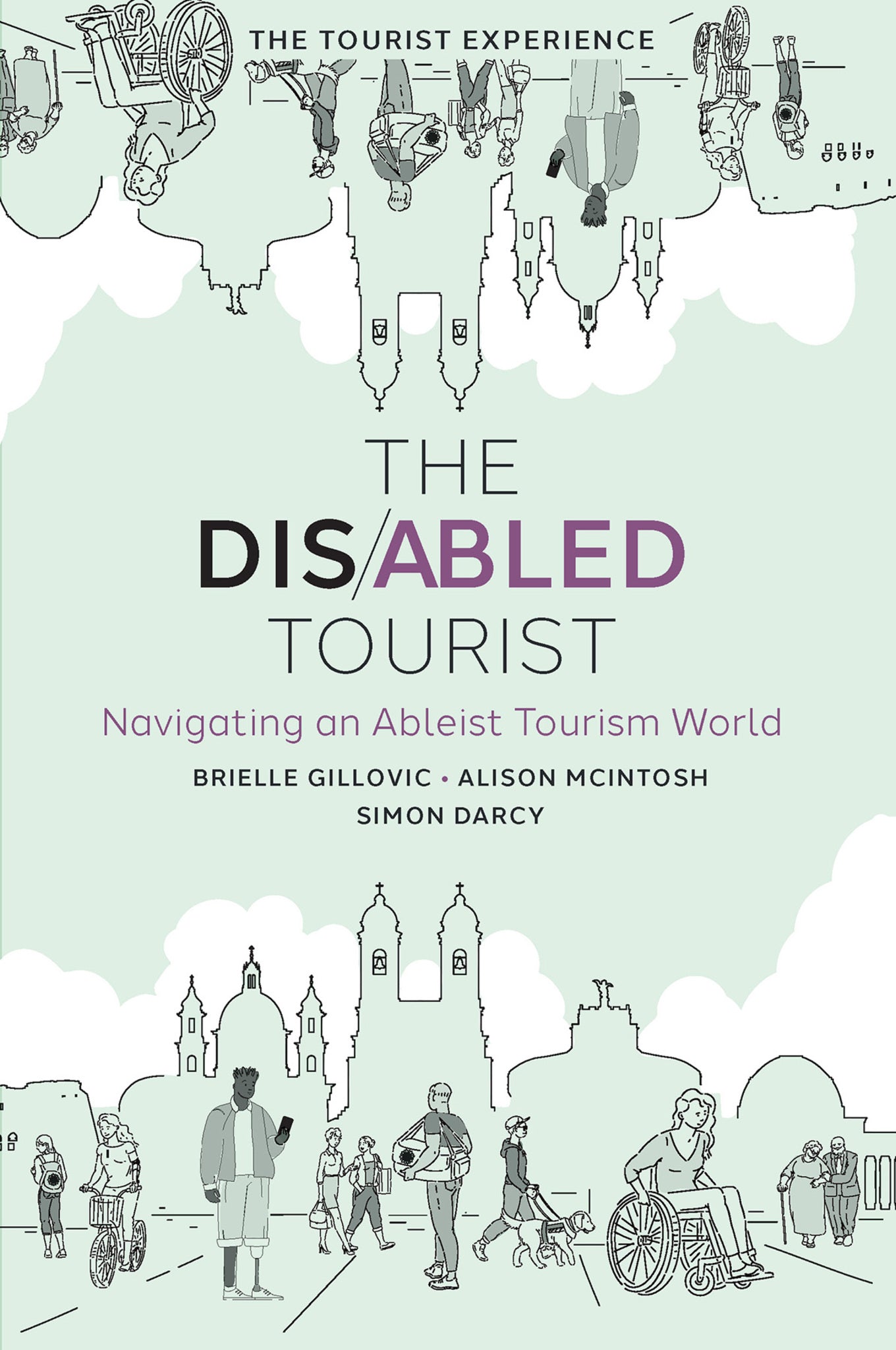
This book addresses a growing demand to hear the authentic voices and understand the lived tourist experiences of people with disability. The latest volume in The Tourist Experience series challenges what is arguably an exclusionary, marginalising, discriminatory, and ableist (tourism) world. By drawing attention to the ‘dis/’ in ‘disabled’, the authors provoke the need to change binary thinking about people who live with disability so that they may be ‘able’ to assume the role of tourist. They engage critical tourism and critical disability studies, and their respective theories, perspectives, and debates, around, for instance, models of disability that shape conceptualisations and worldviews, inclusive research and enabling language, and the ethics of care. These are pivotal to dismantling normative structures to enable a more inclusive, equitable, and socially just tourist experience that promotes a more independent and dignified tourism world for people with disability.

I will be recommending this book to anyone in tourism. It will be a revelation to many tourism practitioners, and also a solid textbook for those engaged in tourism studies and disability studies.
Brielle Gillovic, Auckland University of Technology Professor
Alison McIntosh, Auckland University of Technology Professor
Simon Darcy, University of Technology Sydney
Chapter 1. Introduction
Chapter 2. Disability and The Dis/Abled Tourist Experience
Chapter 3. The Meaning and Experience of Travel
Chapter 4. Care and The Dis/Abled Tourist
Chapter 5. From Good Intentions to Positive Action
Chapter 6. Conclusion