


Some error occured while loading the Quick View. Please close the Quick View and try reloading the page.
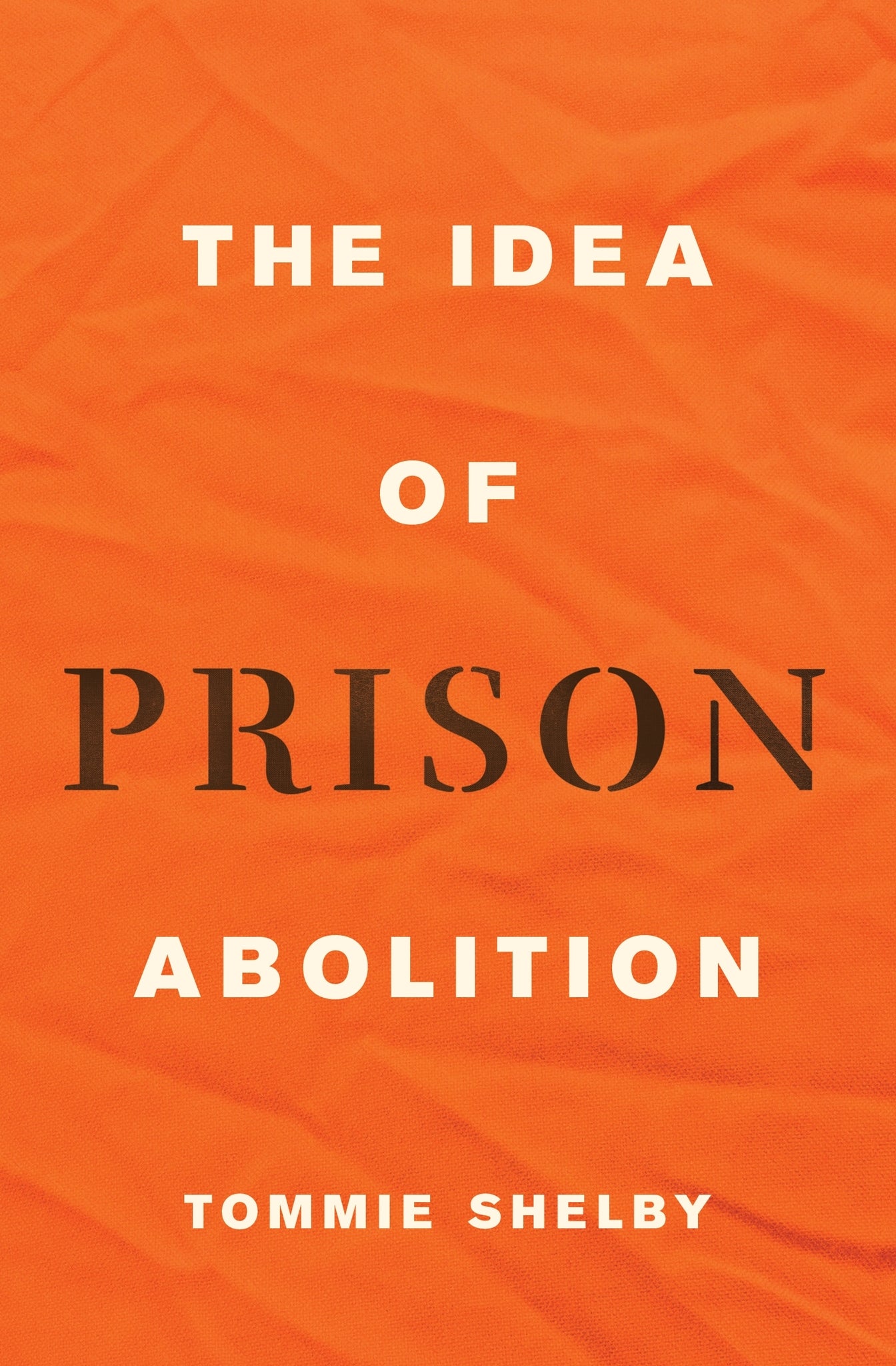
An incisive and sympathetic examination of the case for ending the practice of imprisonment
Despite its omnipresence and long history, imprisonment is a deeply troubling practice. In the United States and elsewhere, prison conditions are inhumane, prisoners are treated without dignity, and sentences are extremely harsh. Mass incarceration and its devastating impact on black communities have been widely condemned as neoslavery or “the new Jim Crow.” Can the practice of imprisonment be reformed, or does justice require it to be ended altogether? In The Idea of Prison Abolition, Tommie Shelby examines the abolitionist case against prisons and its formidable challenge to would-be prison reformers.
Philosophers have long theorized punishment and its justifications, but they haven’t paid enough attention to incarceration or its related problems in societies structured by racial and economic injustice. Taking up this urgent topic, Shelby argues that prisons, once reformed and under the right circumstances, can be legitimate and effective tools of crime control. Yet he draws on insights from black radicals and leading prison abolitionists, especially Angela Davis, to argue that we should dramatically decrease imprisonment and think beyond bars when responding to the problem of crime.
While a world without prisons might be utopian, The Idea of Prison Abolition makes the case that we can make meaningful progress toward this ideal by abolishing the structural injustices that too often lead to crime and its harmful consequences.
