


Some error occured while loading the Quick View. Please close the Quick View and try reloading the page.
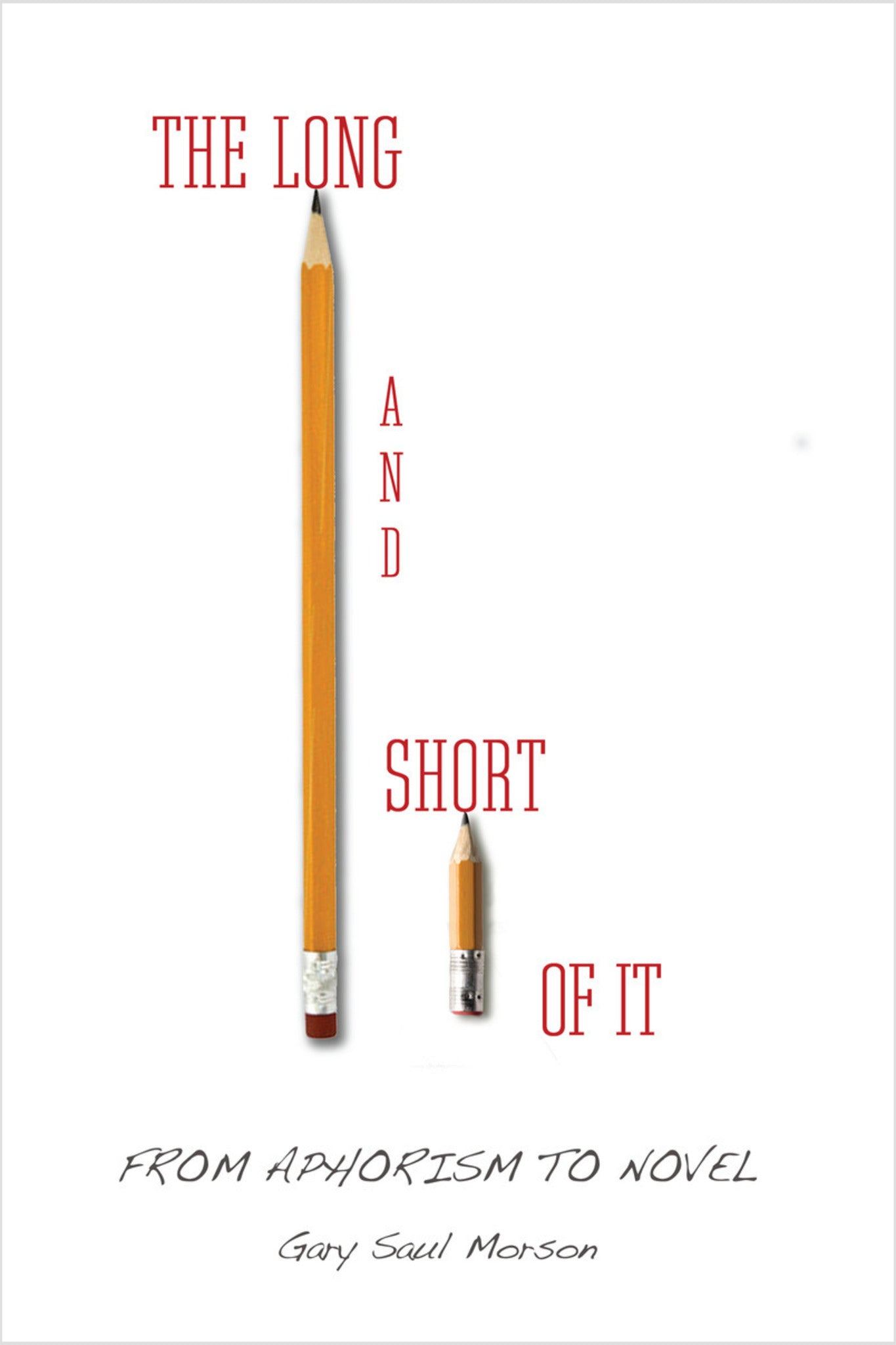
Brevity may be the soul of wit, but it is also much more. In this exploration of the shortest literary works—wise sayings, proverbs, witticisms, sardonic observations about human nature, pithy evocations of mystery, terse statements regarding ultimate questions—Gary Saul Morson argues passionately for the importance of these short genres not only to scholars but also to general readers.
We are fascinated by how brief works evoke a powerful sense of life in a few words, which is why we browse quotation anthologies and love to repeat our favorites. Arguing that all short genres are short in their own way, Morson explores the unique form of brevity that each of them develops. Apothegms (Heraclitus, Lao Tzu, Wittgenstein) describe the universe as ultimately unknowable, offering not answers but ever deeper questions. Dicta (Spinoza, Marx, Freud) create the sense that unsolvable enigmas have at last been resolved. Sayings from sages and sacred texts assure us that goodness is rewarded, while sardonic maxims (Ecclesiastes, Nietzsche, George Eliot) uncover the self-deceptions behind such comforting illusions. Just as witticisms display the power of mind, "witlessisms" (William Spooner, Dan Quayle, the persona assumed by Mark Twain) astonish with their spectacular stupidity.
Nothing seems further from these short works than novels and epics, but the shortest genres often set the tone for longer ones, which, in turn, contain brilliant examples of short forms. Morson shows that short genres contribute important insights into the history of literature and philosophical thought. Once we grasp the role of aphorisms in Herodotus, Samuel Johnson, Dostoevsky, and even Tolstoy, we see their masterpieces in an entirely new light.
