


Some error occured while loading the Quick View. Please close the Quick View and try reloading the page.
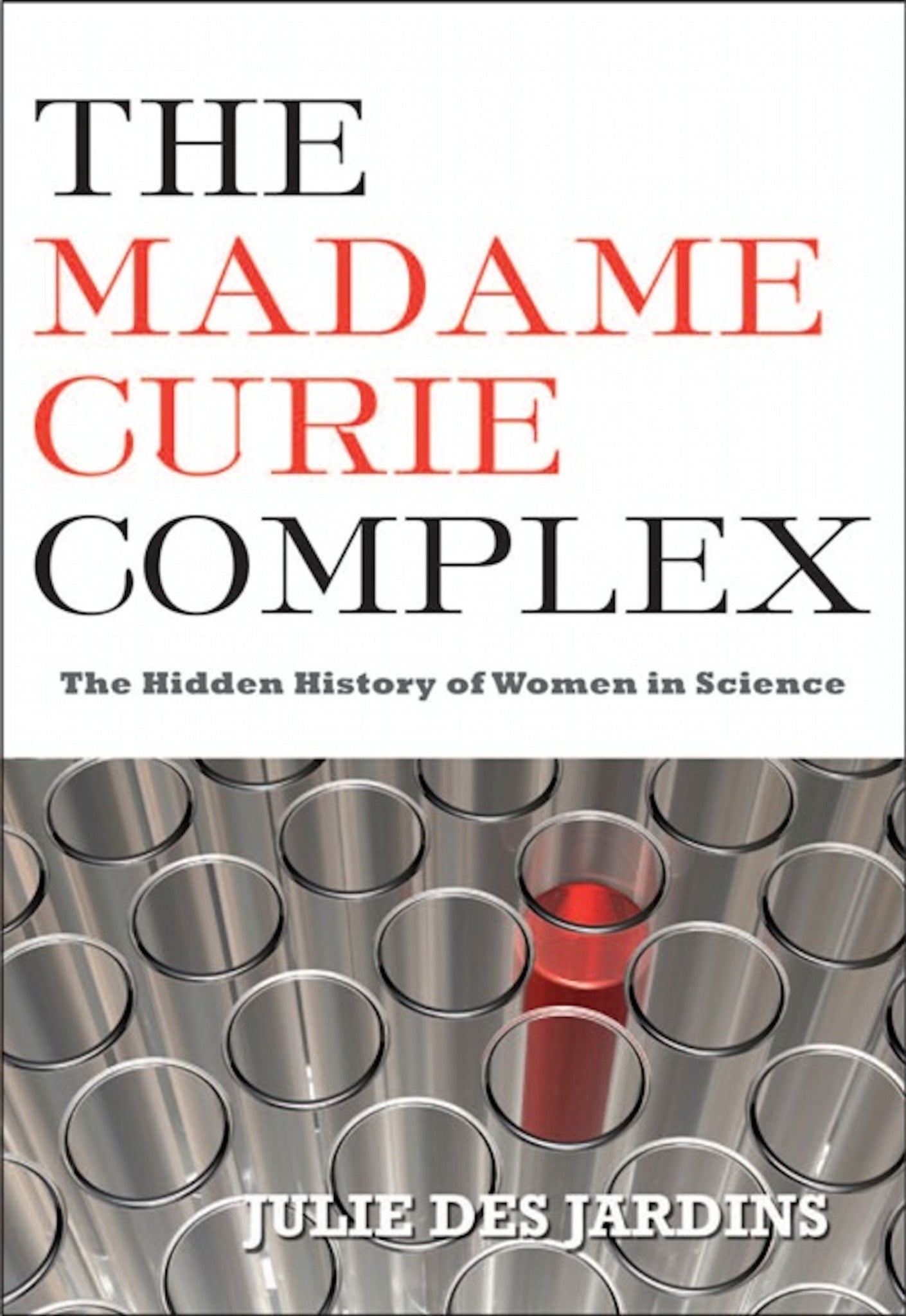
The historian and author of Lillian Gilbreth examines the “Great Man” myth of science with profiles of women scientists from Marie Curie to Jane Goodall.
Why is science still considered to be predominantly male profession? In The Madame Curie Complex, Julie Des Jardin dismantles the myth of the lone male genius, reframing the history of science with revelations about women’s substantial contributions to the field.
She explores the lives of some of the most famous female scientists, including Jane Goodall, the eminent primatologist; Rosalind Franklin, the chemist whose work anticipated the discovery of DNA’s structure; Rosalyn Yalow, the Nobel Prize-winning physicist; and, of course, Marie Curie, the Nobel Prize-winning pioneer whose towering, mythical status has both empowered and stigmatized future generations of women considering a life in science.
With lively anecdotes and vivid detail, The Madame Curie Complex reveals how women scientists have changed the course of science—and the role of the scientist—throughout the twentieth century. They often asked different questions, used different methods, and came up with different, groundbreaking explanations for phenomena in the natural world.

“A fascinating book about the lives and struggles of women scientists.” —Beverly Whipple, co-author of The G Spot and Other Recent Discoveries About Human Sexuality
“The Madame Curie Complex deconstructs the idea of the quintessential female role models in science.” —Barbara Jasny, Deputy Editor for Commentary, Science magazine
“In The Madame Curie Complex, Julie Des Jardins examines the careers of women scientists from Curie to Jane Goodall. Most of them probably won't be familiar to readers, but they should be, not only for their scientific contributions, but for the ways in which their work was marginalized and made more difficult than it had to be.” —Bookpage