


Some error occured while loading the Quick View. Please close the Quick View and try reloading the page.
The first history of the new deal in global context
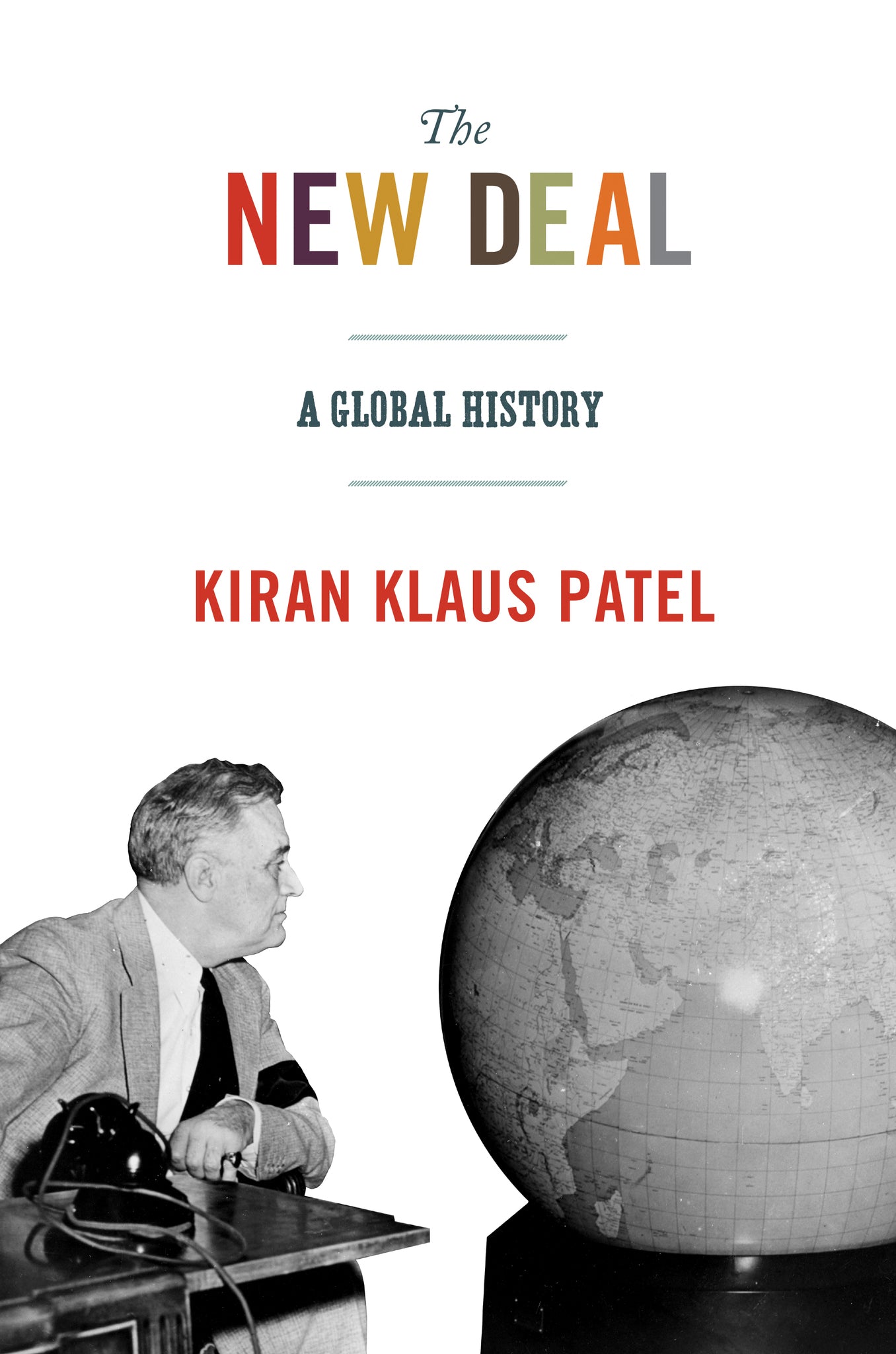
The New Deal: A Global History provides a radically new interpretation of a pivotal period in US history. The first comprehensive study of the New Deal in a global context, the book compares American responses to the international crisis of capitalism and democracy during the 1930s to responses by other countries around the globe—not just in Europe but also in Latin America, Asia, and other parts of the world. Work creation, agricultural intervention, state planning, immigration policy, the role of mass media, forms of political leadership, and new ways of ruling America's colonies—all had parallels elsewhere and unfolded against a backdrop of intense global debates.
By avoiding the distortions of American exceptionalism, Kiran Klaus Patel shows how America's reaction to the Great Depression connected it to the wider world. Among much else, the book explains why the New Deal had enormous repercussions on China; why Franklin D. Roosevelt studied the welfare schemes of Nazi Germany; and why the New Dealers were fascinated by cooperatives in Sweden—but ignored similar schemes in Japan.
Ultimately, Patel argues, the New Deal provided the institutional scaffolding for the construction of American global hegemony in the postwar era, making this history essential for understanding both the New Deal and America's rise to global leadership.
