


Some error occured while loading the Quick View. Please close the Quick View and try reloading the page.
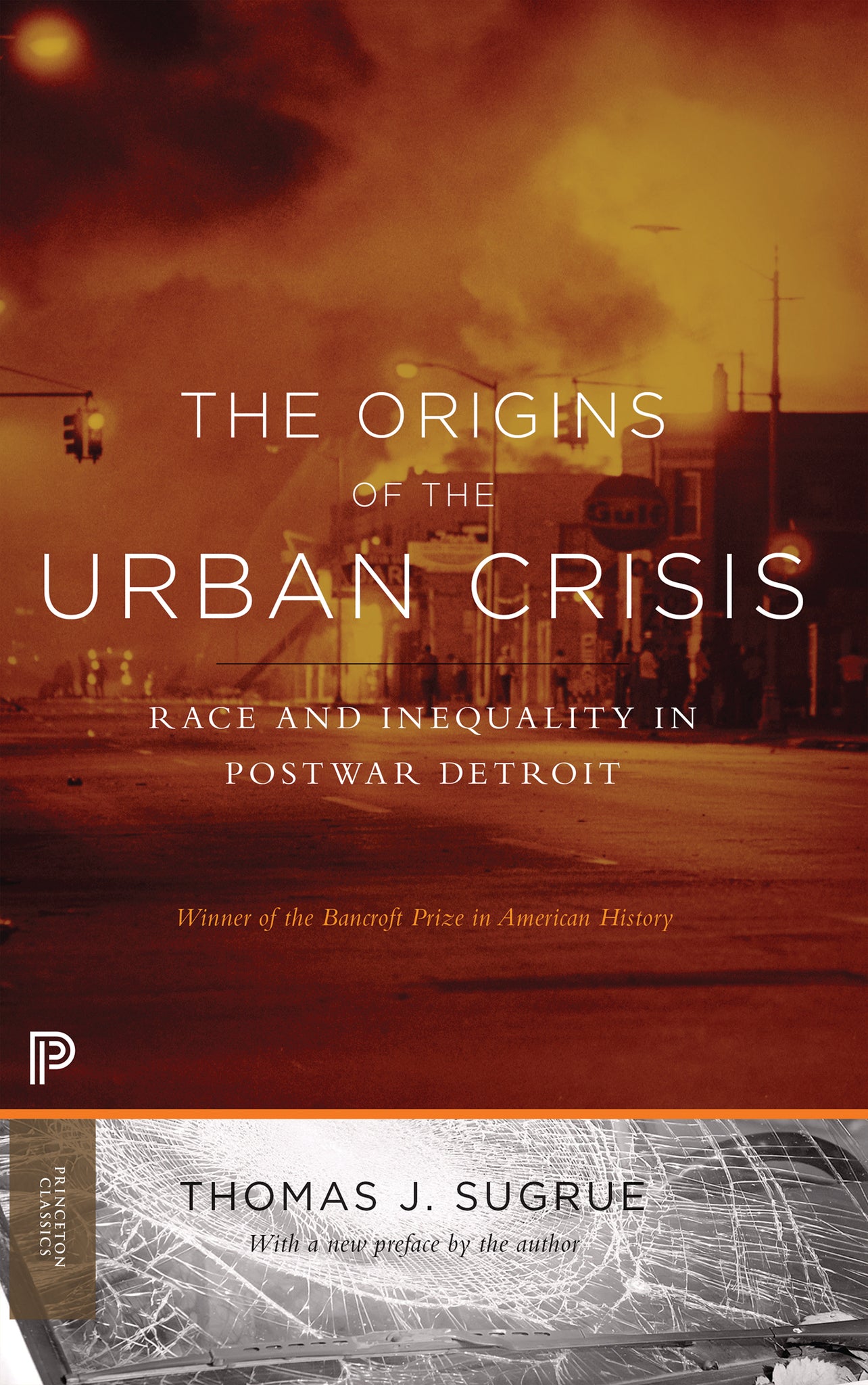
The reasons behind Detroit’s persistent racialized poverty after World War II
Once America's "arsenal of democracy," Detroit is now the symbol of the American urban crisis. In this reappraisal of America’s racial and economic inequalities, Thomas Sugrue asks why Detroit and other industrial cities have become the sites of persistent racialized poverty. He challenges the conventional wisdom that urban decline is the product of the social programs and racial fissures of the 1960s. Weaving together the history of workplaces, unions, civil rights groups, political organizations, and real estate agencies, Sugrue finds the roots of today’s urban poverty in a hidden history of racial violence, discrimination, and deindustrialization that reshaped the American urban landscape after World War II.
This Princeton Classics edition includes a new preface by Sugrue, discussing the lasting impact of the postwar transformation on urban America and the chronic issues leading to Detroit’s bankruptcy.
