


Some error occured while loading the Quick View. Please close the Quick View and try reloading the page.
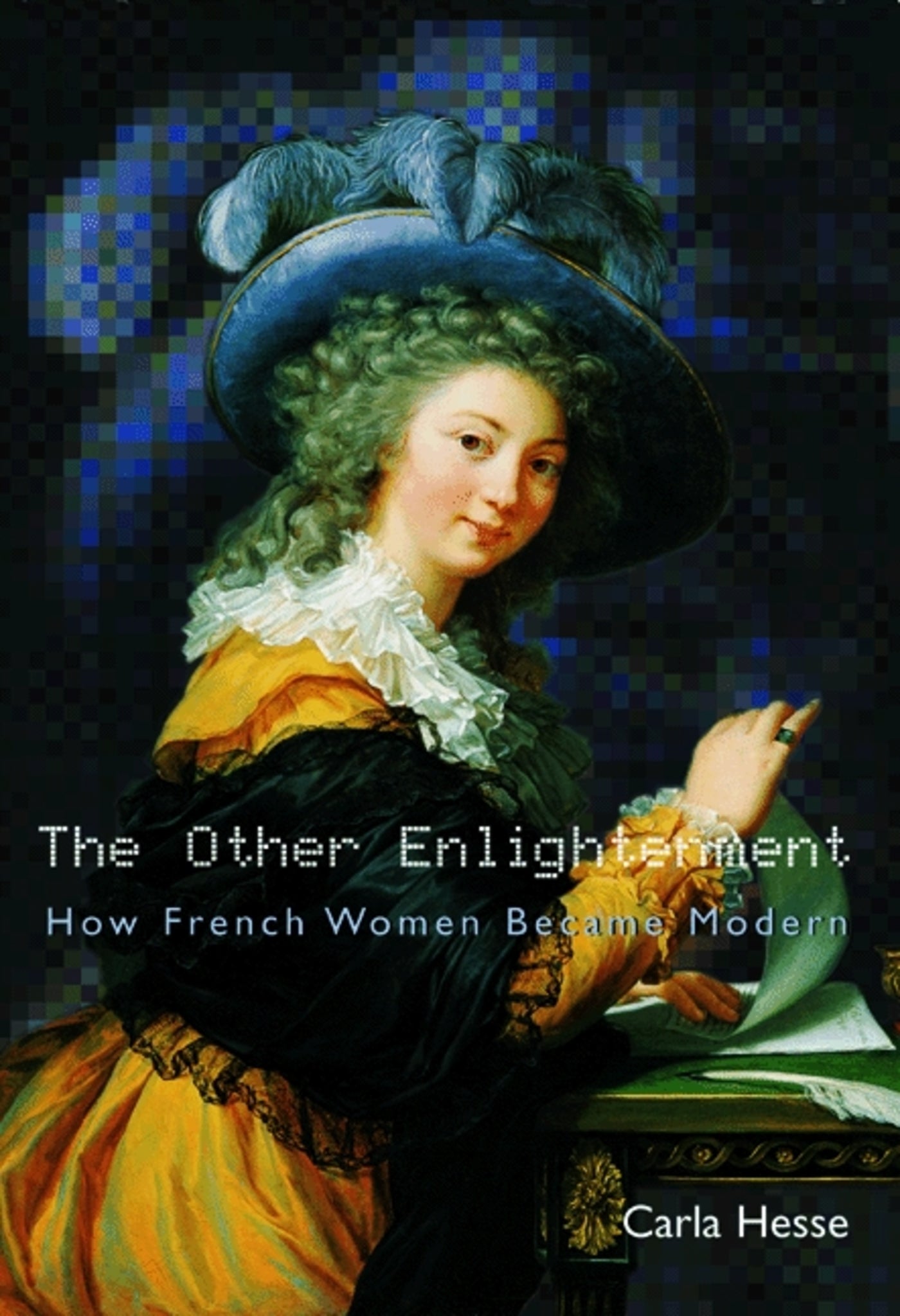
The French Revolution created a new cultural world that freed women from the constraints of corporate privilege, aristocratic salons, and patriarchal censorship, even though it failed to grant them legal equality. Women burst into print in unprecedented numbers and became active participants in the great political, ethical, and aesthetic debates that gave birth to our understanding of the individual as a self-creating, self-determining agent. Carla Hesse tells this story, delivering a capacious history of how French women have used writing to create themselves as modern individuals.
Beginning with the marketplace fishwives and salon hostesses whose eloquence shaped French culture low and high and leading us through the accomplishments of Simone de Beauvoir, Hesse shows what it meant to make an independent intellectual life as a woman in France. She offers exquisitely constructed portraits of the work and mental lives of many fascinating women--including both well-known novelists and now-obscure pamphleteers--who put pen to paper during and after the Revolution. We learn how they negotiated control over their work and authorial identity--whether choosing pseudonyms like Georges Sand or forsaking profits to sign their own names. We encounter the extraordinary Louise de Kéralio-Robert, a critically admired historian who re-created herself as a revolutionary novelist. We meet aristocratic women whose literary criticism subjected them to slander as well as writers whose rhetoric cost them not only reputation but marriage, citizenship, and even their heads.
Crucially, their stories reveal how the unequal terms on which women entered the modern era shaped how they wrote and thought. Though women writers and thinkers championed the full range of political and social positions--from royalist to Jacobin, from ultraconservative to fully feminist--they shared common moral perspectives and representational strategies. Unlike the Enlightenment of their male peers, theirs was more skeptical than idealist, more situationalist than universalist. And this alternative project lies at the very heart of modern French letters.
