


Some error occured while loading the Quick View. Please close the Quick View and try reloading the page.
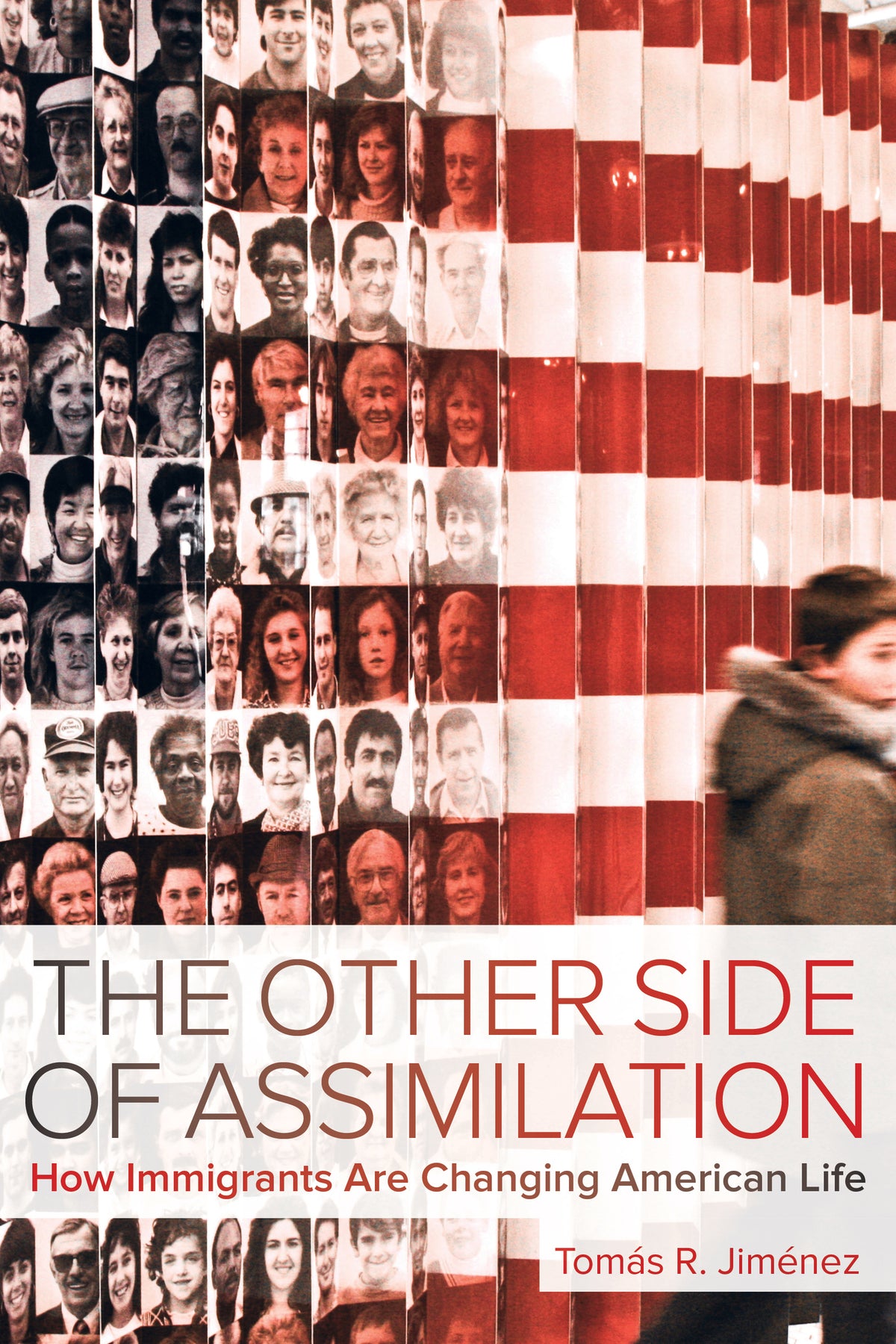
The immigration patterns of the last three decades have profoundly changed nearly every aspect of life in the United States. What do those changes mean for the most established Americans—those whose families have been in the country for multiple generations?
The Other Side of Assimilation shows that assimilation is not a one-way street. Jiménez explains how established Americans undergo their own assimilation in response to profound immigration-driven ethnic, racial, political, economic, and cultural shifts. Drawing on interviews with a race and class spectrum of established Americans in three different Silicon Valley cities, The Other Side of Assimilation illuminates how established Americans make sense of their experiences in immigrant-rich environments, in work, school, public interactions, romantic life, and leisure activities. With lucid prose, Jiménez reveals how immigration not only changes the American cityscape but also reshapes the United States by altering the outlooks and identities of its most established citizens.
The Other Side of Assimilation shows that assimilation is not a one-way street. Jiménez explains how established Americans undergo their own assimilation in response to profound immigration-driven ethnic, racial, political, economic, and cultural shifts. Drawing on interviews with a race and class spectrum of established Americans in three different Silicon Valley cities, The Other Side of Assimilation illuminates how established Americans make sense of their experiences in immigrant-rich environments, in work, school, public interactions, romantic life, and leisure activities. With lucid prose, Jiménez reveals how immigration not only changes the American cityscape but also reshapes the United States by altering the outlooks and identities of its most established citizens.

Price: $29.95
Pages: 296
Publisher: University of California Press
Imprint: University of California Press
Publication Date:
18 July 2017
Trim Size: 9.00 X 6.00 in
ISBN: 9780520295704
Format: Paperback
BISACs:
"Tomás Jiménez is one of the most nuanced, thoughtful scholars of immigration-driven diversity and cultural change I’ve come across."
Tomás R. Jiménez is Associate Professor in the Department of Sociology and Faculty Affiliate at the Center for Comparative Studies in Race and Ethnicity at Stanford University. He is the author of Replenished Ethnicity: Mexican Americans, Immigration, and Identity.
List of Illustrations and Table
Preface
Acknowledgments
Introduction
1. The (Not-So-Strange) Strangers in Their Midst
2. Salsa and Ketchup—Cultural Exposure and Adoption
3. Spotlight on White, Fade to Black
4. Living with Difference and Similarity
5. Living Locally, Thinking Nationally
Conclusion
Notes
Works Cited
Index
Preface
Acknowledgments
Introduction
1. The (Not-So-Strange) Strangers in Their Midst
2. Salsa and Ketchup—Cultural Exposure and Adoption
3. Spotlight on White, Fade to Black
4. Living with Difference and Similarity
5. Living Locally, Thinking Nationally
Conclusion
Notes
Works Cited
Index