


Some error occured while loading the Quick View. Please close the Quick View and try reloading the page.
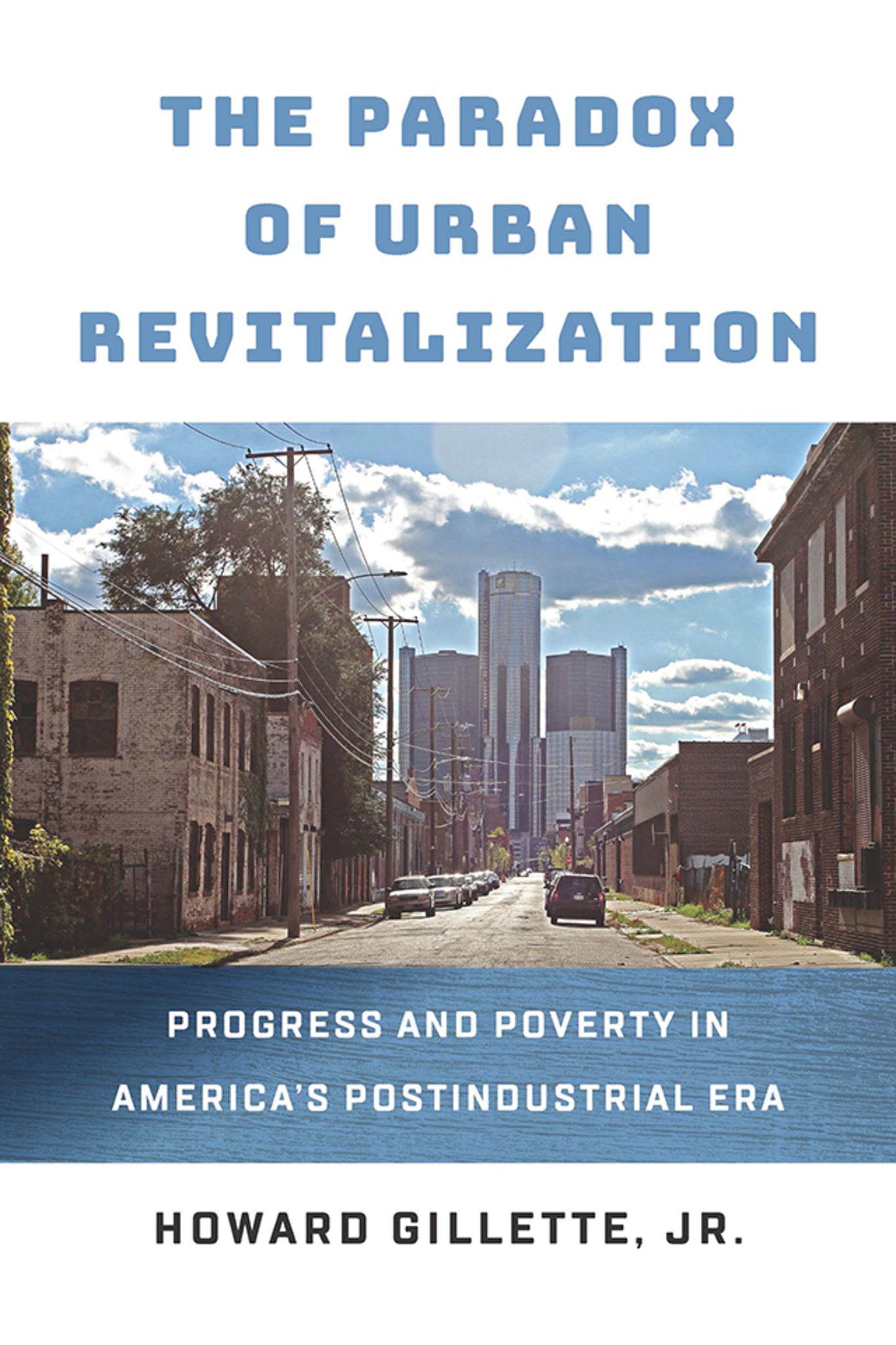
In the twenty-first century, cities in the United States that had suffered most the shift to a postindustrial era entered a period widely proclaimed as an urban renaissance. From Detroit to Newark to Oakland and elsewhere commentators saw cities rising again. Yet revitalization generated a second urban crisis marked by growing inequality and civil unrest reminiscent of the upheavals associated with the first urban crisis in the mid-twentieth century. The urban poor and residents of color have remained very much at a disadvantage in the face of racially biased capital investments, narrowing options for affordable housing, and mass incarceration. In profiling nine cities grappling with challenges of the twenty-first century, author Howard Gillette, Jr. evaluates the uneven efforts to secure racial and class equity as city fortunes have risen. Charting the tension between the practice of corporate subsidy and efforts to assure social justice, The Paradox of Urban Revitalization assesses the course of urban politics and policy over the past half century, before the COVID-19 pandemic upended everything, and details prospects for achieving greater equity in the years ahead.

Price: $39.95
Pages: 344
Publisher: University of Pennsylvania Press, Inc.
Imprint: University of Pennsylvania Press
Publication Date:
07 June 2022
Trim Size: 9.00 X 6.00 in
ISBN: 9780812253719
Format: Hardcover
"Gillette superbly draws a set of nine urban portraits, cities addressing the tensions between economic development, equity, and community engagement...[C]ities can and should do more than what they are doing to balance the three goals of equity, economic development, and community engagement. They can benefit from implementation lessons described in this book. Howard Gillette has helped us understand the limits of what can be accomplished at the metropolitan level to resolve tensions between these three goals."
Howard Gillette, Jr. is Professor of History Emeritus at Rutgers University-Camden.