


Some error occured while loading the Quick View. Please close the Quick View and try reloading the page.
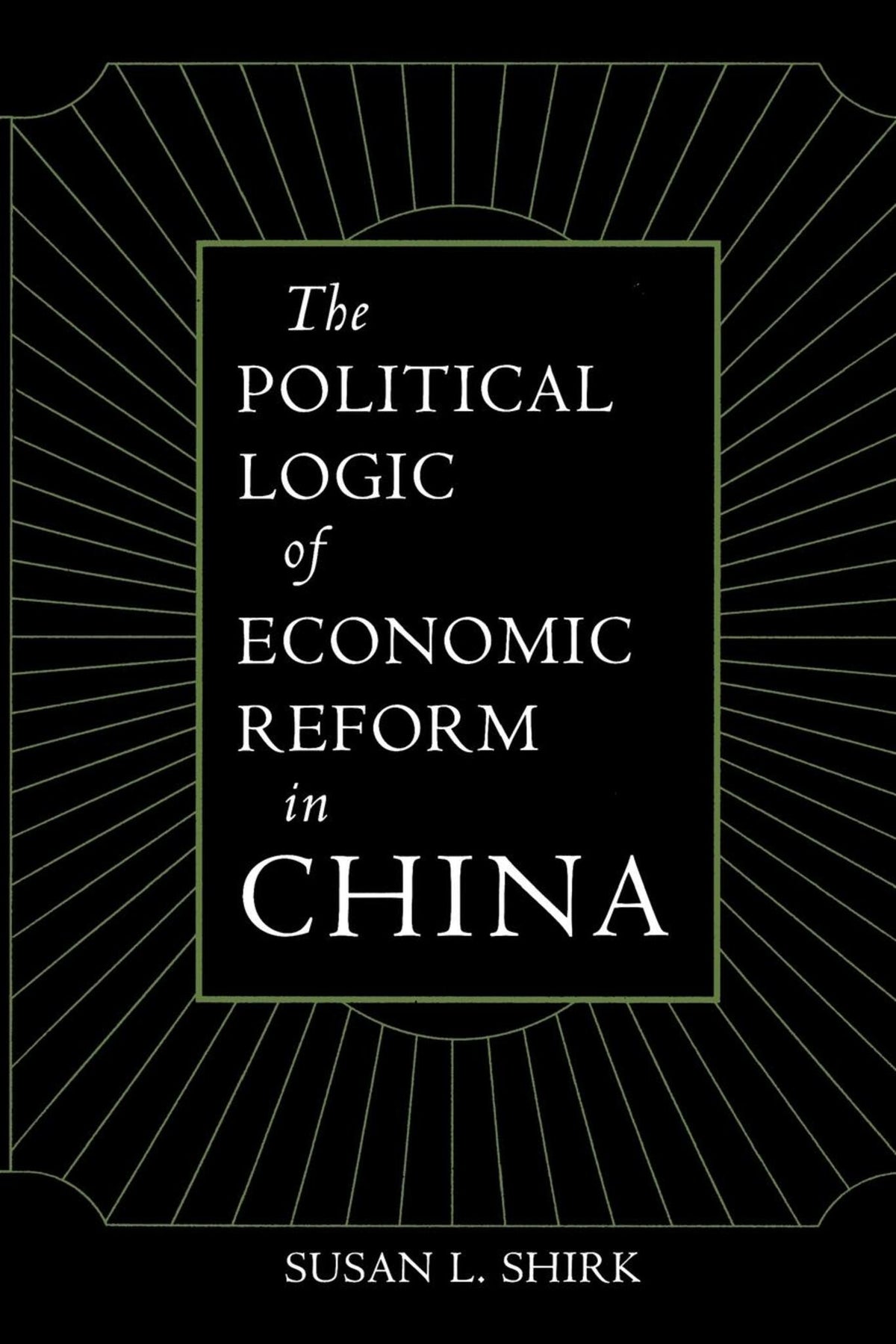
In the past decade, China was able to carry out economic reform without political reform, while the Soviet Union attempted the opposite strategy. How did China succeed at economic market reform without changing communist rule? Susan Shirk shows that Chinese communist political institutions are more flexible and less centralized than their Soviet counterparts were.
Shirk pioneers a rational choice institutional approach to analyze policy-making in a non-democratic authoritarian country and to explain the history of Chinese market reforms from 1979 to the present. Drawing on extensive interviews with high-level Chinese officials, she pieces together detailed histories of economic reform policy decisions and shows how the political logic of Chinese communist institutions shaped those decisions.
Combining theoretical ambition with the flavor of on-the-ground policy-making in Beijing, this book is a major contribution to the study of reform in China and other communist countries.
Shirk pioneers a rational choice institutional approach to analyze policy-making in a non-democratic authoritarian country and to explain the history of Chinese market reforms from 1979 to the present. Drawing on extensive interviews with high-level Chinese officials, she pieces together detailed histories of economic reform policy decisions and shows how the political logic of Chinese communist institutions shaped those decisions.
Combining theoretical ambition with the flavor of on-the-ground policy-making in Beijing, this book is a major contribution to the study of reform in China and other communist countries.

Price: $38.95
Pages: 412
Publisher: University of California Press
Imprint: University of California Press
Series: California Series on Social Choice and Political Economy
Publication Date:
05 August 1993
Trim Size: 9.00 X 6.00 in
ISBN: 9780520077072
Format: Paperback
BISACs:
Susan L. Shirk is Professor of Political Science at the University of California, San Diego, and the author of Competitive Comrades: Career Incentives and Student Strategies in China (California, 1982).
Acknowledgments
Formal Authority Relations Among Central Communist
Party and Government Institutions in the People's
Republic of China
PART 1. INTRODUCTION
1. The Political Logic of Economic Reform
2. The Prereform Chinese Economy and the Decision
to Initiate Market Reforms
PART 2. CHINESE POLITICAL INSTITUTIONS
3. Authority Relations: The Communist Party and the
Government
4. Leadership Incentives:- Political Succession and
Reciprocal Accountability
5. Bargaining Arena: The Government Bureaucracy
6. Who Is Enfranchised in the Policy-making Process?
7. Decision Rules: Delegation by Consensus
8. Chinese Political Institutions and the Path of
Economic Reforms
PART 3· ECONOMIC REFORM POLICY-MAKING
9. Playing to the Provinces: Fiscal Decentralization
and the Politics of Reform
10. Creating Vested Interests in Reform: Industrial
Reform Takeoff, 1978-81
11. Leadership Succession and Policy Conflict: The
Choice Between Profit Contracting and Substituting
Tax-for-Profit, 1982-83 221
12. Building Bureaucratic Consensus: Formulating
the Tax-for-Profit Policy, 1983-84
13. The Power of Particularism: Abortive Price Reform
and the Revival of Profit Contracting, 1985-88
PART 4· CONCLUSION
14. The Political Lessons of Economic Reform
in China
Bibliography
Index
Formal Authority Relations Among Central Communist
Party and Government Institutions in the People's
Republic of China
PART 1. INTRODUCTION
1. The Political Logic of Economic Reform
2. The Prereform Chinese Economy and the Decision
to Initiate Market Reforms
PART 2. CHINESE POLITICAL INSTITUTIONS
3. Authority Relations: The Communist Party and the
Government
4. Leadership Incentives:- Political Succession and
Reciprocal Accountability
5. Bargaining Arena: The Government Bureaucracy
6. Who Is Enfranchised in the Policy-making Process?
7. Decision Rules: Delegation by Consensus
8. Chinese Political Institutions and the Path of
Economic Reforms
PART 3· ECONOMIC REFORM POLICY-MAKING
9. Playing to the Provinces: Fiscal Decentralization
and the Politics of Reform
10. Creating Vested Interests in Reform: Industrial
Reform Takeoff, 1978-81
11. Leadership Succession and Policy Conflict: The
Choice Between Profit Contracting and Substituting
Tax-for-Profit, 1982-83 221
12. Building Bureaucratic Consensus: Formulating
the Tax-for-Profit Policy, 1983-84
13. The Power of Particularism: Abortive Price Reform
and the Revival of Profit Contracting, 1985-88
PART 4· CONCLUSION
14. The Political Lessons of Economic Reform
in China
Bibliography
Index