


Some error occured while loading the Quick View. Please close the Quick View and try reloading the page.
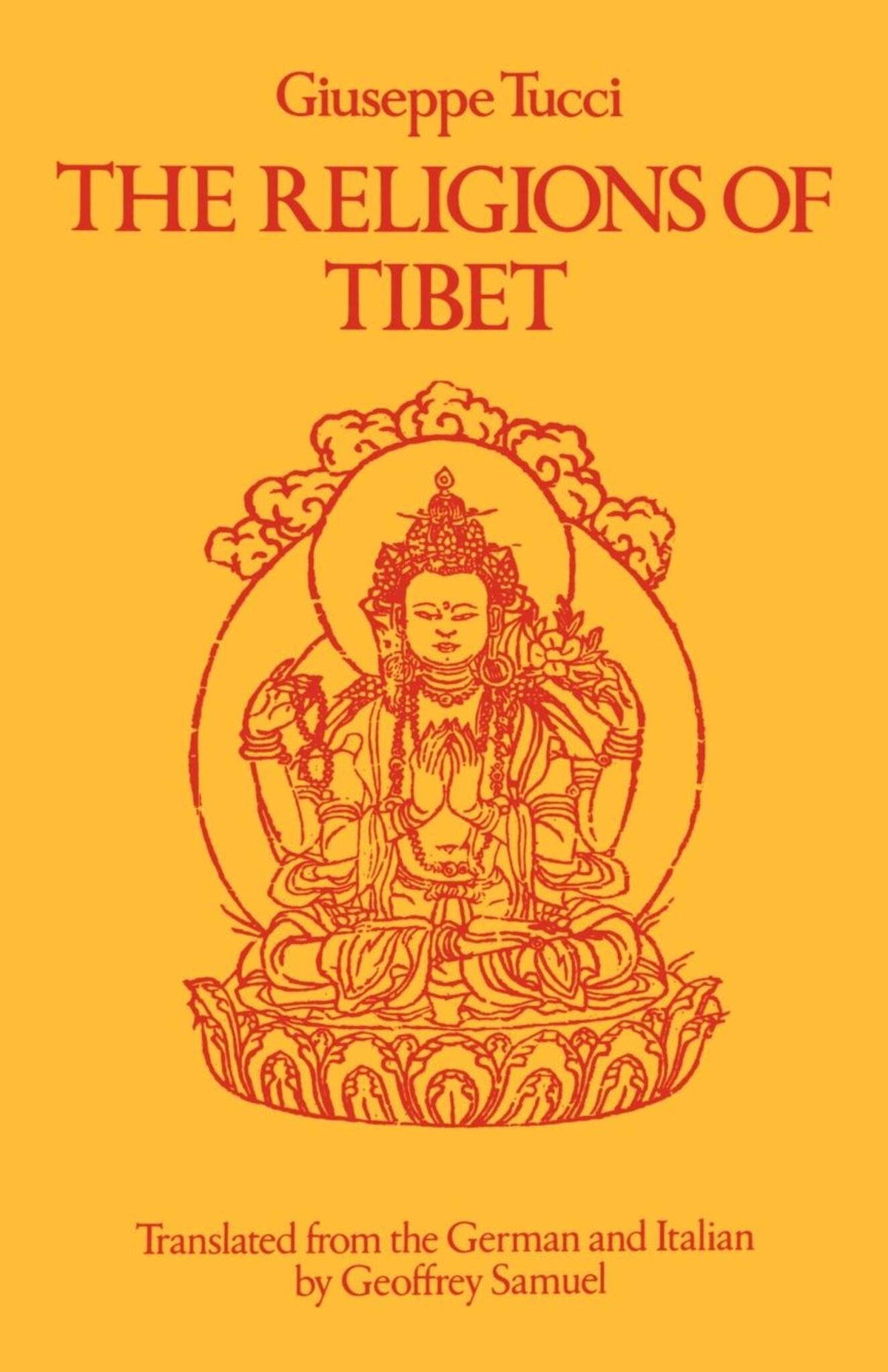
"No one is better qualified than Tucci to write a general yet comprehensive work on such a complex subject. His explorations in Tibet, extensive personal experiences, direct observations of ritual, and unmatched textual knowledge are graciously combined in this valuable and highly readable volume."
--Barbara Nimri Aziz, Journal of Asian Studies
"Tucci's most significant contribution is his application of a systematic analysis of parallels and interconnections among the religious practices of Tibetans. . . . We have both a thorough analysis of significant texts as well as a description and appreciation of rituals, architecture, and artifacts."
--Francis V. Tiso, Cross Currents
"[Readers] are not soon to find a more informative, comprehensive rendering of the religions of Tibet-minus all the myths and by a scholar as extraordinary as Giuseppe Tucci."
--A. Torn Grunfeld, Focus on Asian Studies
"We have here a synthesis of Tucci's knowledge and insight into one of the most extraordinary of the world's great cultures."
--Ninian Smart, Times Literary Supplement

Price: $33.95
Pages: 360
Publisher: University of California Press
Imprint: University of California Press
Publication Date:
08 August 1988
Trim Size: 8.25 X 5.50 in
ISBN: 9780520063488
Format: Paperback
BISACs:
Giuseppe Tucci was Professor of Religion and Philosophy at the University of Rome. Geoffrey Samuel is professor of anthropology at the University of Newcastle, New South Wales.
1 Fundamentals
2 The most important schools
3 The conflicts between the schools and their significance for the political history of Tibet. The office of Dalai Lama
4 The figure of the religious teacher (bla rna)
4. The doctrines of the most important schools
1 Assumptions common to all schools
2 The vehicle of the Mantra
3 Investiture and consecrations
4 The Tantric process of transcendence: mental body,maya-body, body of transcendent consciousness
5 Sems and light
6 Substantialism ofthejo nang pa school
7 The bKa' brgyud pa school
8 Tantric practice according to the tradition of the Bla na med rgyud
9 The rNying mapa school
10 The gCod tradition
11 Conclusion. The special nature of the Lamaist teaching of salvation
Appendix: The process of transformation of Sems and rLungs
5. Monkhood, monastery life, religious calendar and festivals
1 Organization of monastic community: hierarchy and offices
2 Religious calendar and festivals
3 The hermits' way oflife
4 The property of the monastery and its administration
6. The folk religion
1 General characteristics
2 Man face to face with divine and demonic powers
3 Personal protection and protection ofthe house
4 The soul
5 Death
6 The bsangs or suffimen (offering of incense)
7 Looking into the future:·investigating the favourable or unfavourable omens for an action
8 The protection of property and of flocks
9 Final considerations
7 The Bon religion
Chronological table
Notes
Bibliography
1 Tibetan sources
2 Books and articles
Index
2 The most important schools
3 The conflicts between the schools and their significance for the political history of Tibet. The office of Dalai Lama
4 The figure of the religious teacher (bla rna)
4. The doctrines of the most important schools
1 Assumptions common to all schools
2 The vehicle of the Mantra
3 Investiture and consecrations
4 The Tantric process of transcendence: mental body,maya-body, body of transcendent consciousness
5 Sems and light
6 Substantialism ofthejo nang pa school
7 The bKa' brgyud pa school
8 Tantric practice according to the tradition of the Bla na med rgyud
9 The rNying mapa school
10 The gCod tradition
11 Conclusion. The special nature of the Lamaist teaching of salvation
Appendix: The process of transformation of Sems and rLungs
5. Monkhood, monastery life, religious calendar and festivals
1 Organization of monastic community: hierarchy and offices
2 Religious calendar and festivals
3 The hermits' way oflife
4 The property of the monastery and its administration
6. The folk religion
1 General characteristics
2 Man face to face with divine and demonic powers
3 Personal protection and protection ofthe house
4 The soul
5 Death
6 The bsangs or suffimen (offering of incense)
7 Looking into the future:·investigating the favourable or unfavourable omens for an action
8 The protection of property and of flocks
9 Final considerations
7 The Bon religion
Chronological table
Notes
Bibliography
1 Tibetan sources
2 Books and articles
Index