


Some error occured while loading the Quick View. Please close the Quick View and try reloading the page.
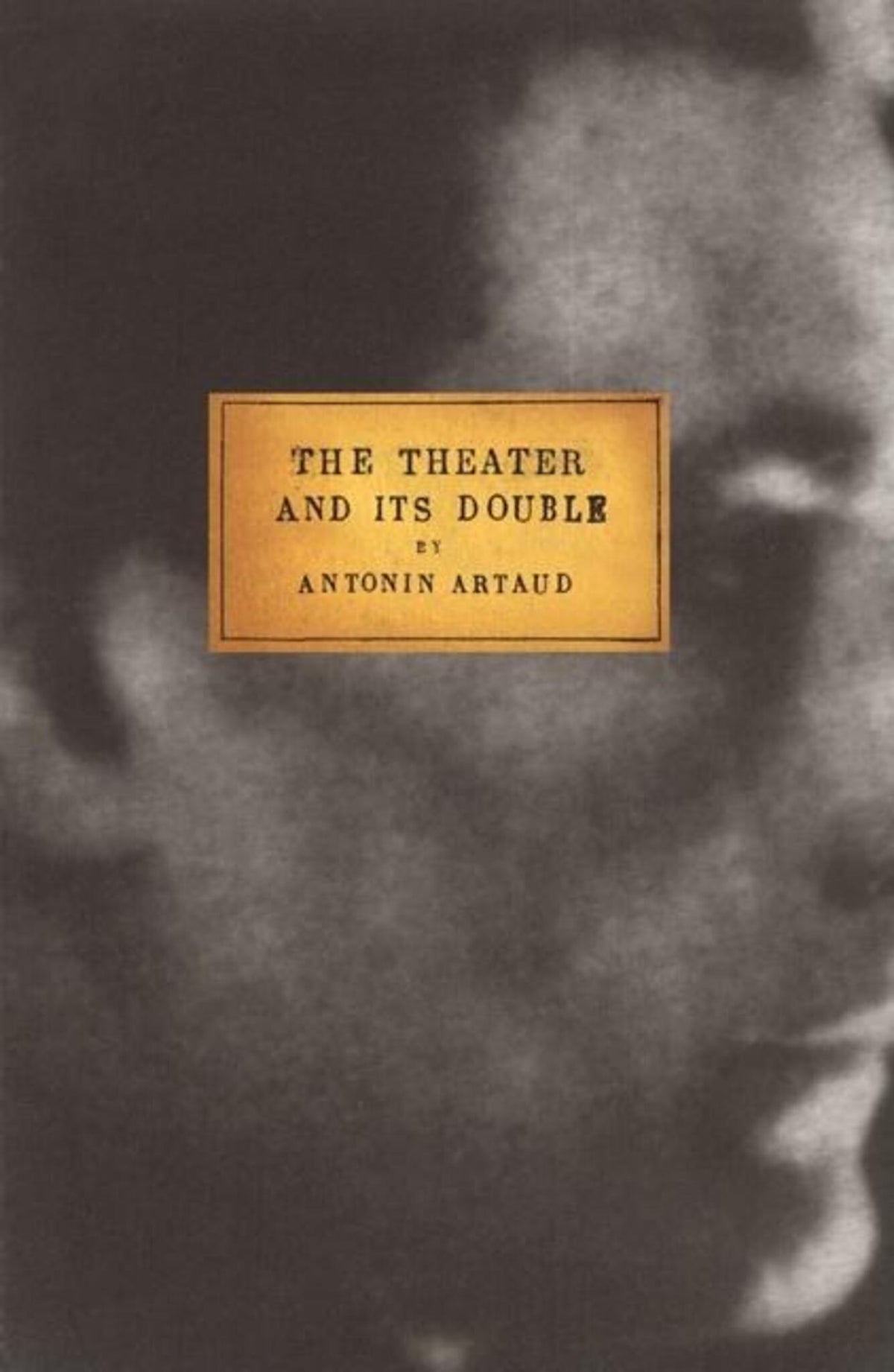
A collection of manifestos originally published in 1938, The Theater and Its Double is the fullest statement of the ideas of Antonin Artaud.
“We cannot go on prostituting the idea of the theater, the only value of which is in its excruciating, magical relation to reality and danger,” he wrote. He fought vigorously against an encroaching conventionalism he found anathema to the very concept of theater. He sought to use theater to transcend writing, “to break through the language in order to touch life.”

“The Theater and Its Double is far away the most important thing that has been written about the theater in the twentieth century. . . . It should be read again and again. . . . Artaud oozed magical desires. He was the metaphysician of the theater.” —Jean-Louis Barrault
“The course of all recent serious theater in Western Europe and the Americas can be said to divide into two periods—before Artaud and after Artaud. No one who works in the theater now is untouched by the impact of Artaud’s specific ideas. . . . Artaud changed the understanding of what was serious, what was worth doing. . . . Artaud’s thought is organically part of his singular, haunted, impotent, savagely intelligent consciousness. Artaud is one of the great, daring mapmakers of consciousness in extremis.” —Suasan Sontag
“The credo of one of France’s foremost avant-garde theatrical thinkers is brought into focus in this excellent translation. Highly recommended.” —Library Journal
“Artaud . . . sees and says important truths with bright simplicity.” —The Nation
Antonin Artaud (1896–1948), the author of The Theater and Its Double, was a Surrealist poet before breaking with the movement when it became too political. Better known as a theorist than an artist, his own works were often viewed as failures, but he was a major influence on such writers as Beckett, Genet, and Ionesco. He suffered from mental disorders that kept him in and out of asylums for much of his life.