


Some error occured while loading the Quick View. Please close the Quick View and try reloading the page.
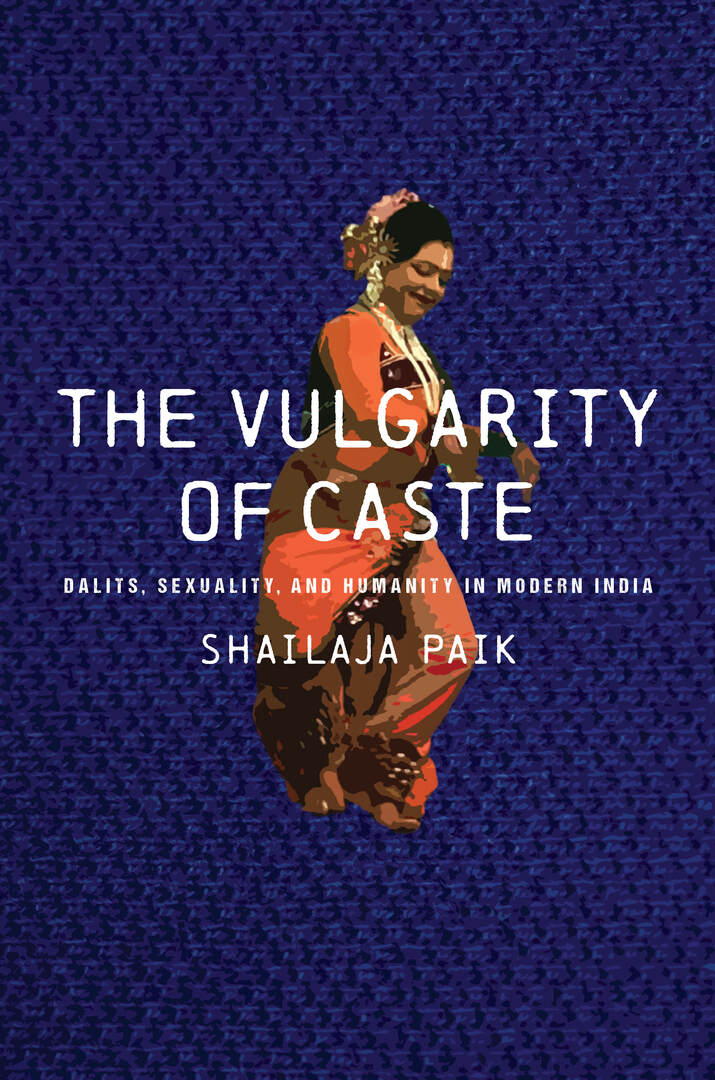
This book offers the first social and intellectual history of Dalit performance of Tamasha—a popular form of public, secular, traveling theater in Maharashtra—and places Dalit Tamasha women who represented the desire and disgust of the patriarchal society at the heart of modernization in twentieth century India. Drawing on ethnographies, films, and untapped archival materials, Shailaja Paik illuminates how Tamasha was produced and shaped through conflicts over caste, gender, sexuality, and culture. Dalit performers, activists, and leaders negotiated the violence and stigma in Tamasha as they struggled to claim manuski (human dignity) and transform themselves from ashlil (vulgar) to assli (authentic) and manus (human beings).
Building on and departing from the Ambedkar-centered historiography and movement-focused approach of Dalit studies, Paik examines the ordinary and everydayness in Dalit lives. Ultimately, she demonstrates how the choices that communities make about culture speak to much larger questions about inclusion, inequality, and structures of violence of caste within Indian society, and opens up new approaches for the transformative potential of Dalit politics and the global history of gender, sexuality, and the human.

1. Policing Dalits and Producing Tamasha in Maharashtra
2. Constructing Caste, Desire, and Danger
3. Ambedkar, Manuski, and Reconstructing Dalit Life-Worlds, 1920-1956
4. Singing Resistance and Rehumanizing Poetics-Politics, Post-1930
5. Claiming Authenticity and Becoming Marathi, Post-1960
6. Forging New Futures and Measures of Humanity
Conclusion.: Queering the "Vulgar": Tamasha without Women