


Some error occured while loading the Quick View. Please close the Quick View and try reloading the page.
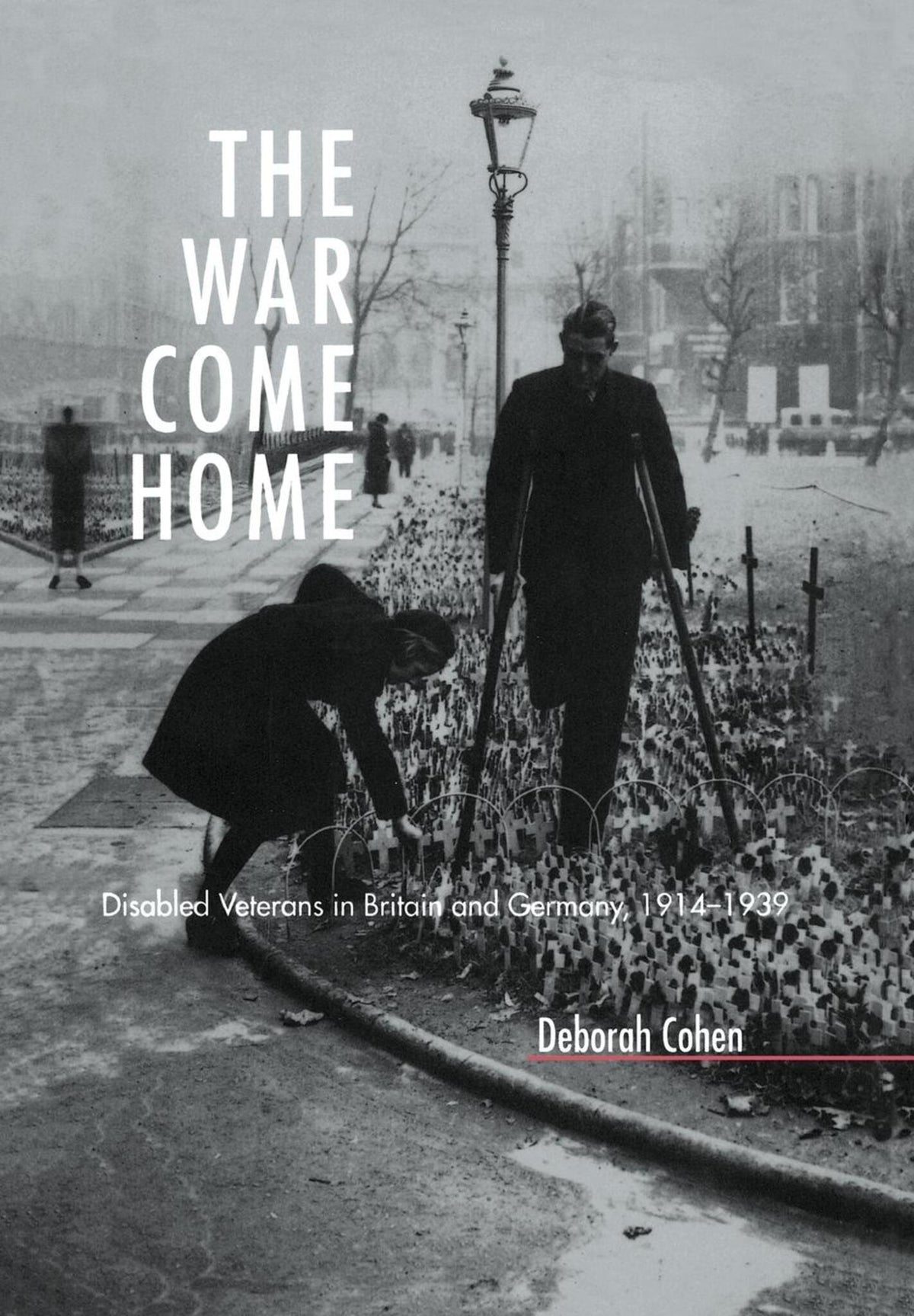
Disabled veterans were the First World War's most conspicuous legacy. Nearly eight million men in Europe returned from the First World War permanently disabled by injury or disease. In The War Come Home, Deborah Cohen offers a comparative analysis of the very different ways in which two belligerent nations--Germany and Britain--cared for their disabled.
At the heart of this book is an apparent paradox. Although postwar Germany provided its disabled veterans with generous benefits, they came to despise the state that favored them. Disabled men proved susceptible to the Nazi cause. By contrast, British ex-servicemen remained loyal subjects, though they received only meager material compensation. Cohen explores the meaning of this paradox by focusing on the interplay between state agencies and private philanthropies on one hand, and the evolving relationship between disabled men and the general public on the other.
Written with verve and compassion, The War Come Home describes in affecting detail disabled veterans' lives and their treatment at the hands of government agencies and private charities in Britain and Germany. Cohen's study moves from the intimate confines of veterans' homes to the offices of high-level bureaucrats; she tells of veterans' protests, of disabled men's families, and of the well-heeled philanthropists who made a cause of the war's victims. This superbly researched book provides an important new perspective on the ways in which states and societies confront the consequences of industrialized warfare.
At the heart of this book is an apparent paradox. Although postwar Germany provided its disabled veterans with generous benefits, they came to despise the state that favored them. Disabled men proved susceptible to the Nazi cause. By contrast, British ex-servicemen remained loyal subjects, though they received only meager material compensation. Cohen explores the meaning of this paradox by focusing on the interplay between state agencies and private philanthropies on one hand, and the evolving relationship between disabled men and the general public on the other.
Written with verve and compassion, The War Come Home describes in affecting detail disabled veterans' lives and their treatment at the hands of government agencies and private charities in Britain and Germany. Cohen's study moves from the intimate confines of veterans' homes to the offices of high-level bureaucrats; she tells of veterans' protests, of disabled men's families, and of the well-heeled philanthropists who made a cause of the war's victims. This superbly researched book provides an important new perspective on the ways in which states and societies confront the consequences of industrialized warfare.

Price: $63.00
Pages: 297
Publisher: University of California Press
Imprint: University of California Press
Publication Date:
30 October 2001
Trim Size: 9.00 X 6.00 in
ISBN: 9780520220089
Format: Hardcover
BISACs:
“A valuable study that vividly presents the social and political ramifications of modern warfare. It is highly recommended to social historians of interwar Europe.”
Deborah Cohen is Assistant Professor of History at Brown University.
List of Illustrations
Acknowledgments
Introduction: Reconciliation and Stability
PART I: CIVIL SOCIETY IN THE GREAT WAR'S AFTERMATH
1. A Voluntary Peace: British Veterans, Philanthropy, and the State
A Land Fit for Heroes
The Voluntarists Take Charge
Service, Not Self
2. The Nation Accused: German Veterans and the State Regulation of Charity
The Thanks of the Fatherland
Benevolence Regulated
Veterans versus the Public
PART II: THE WAR'S RETURNS
3. Life as a Memorial: Ex-Servicemen at the Margins of British Society
Seeking Work
The Objects of Charity
Shattered Soldier Laughs at Fate
4. Life Reconstructed: The Reintegration of German Veterans
The Iron Will to Work
The Subjects of Welfare
For Wounded and Unconquered Soldiers
Conclusion
Appendix
Notes
Bibliography
Index
Acknowledgments
Introduction: Reconciliation and Stability
PART I: CIVIL SOCIETY IN THE GREAT WAR'S AFTERMATH
1. A Voluntary Peace: British Veterans, Philanthropy, and the State
A Land Fit for Heroes
The Voluntarists Take Charge
Service, Not Self
2. The Nation Accused: German Veterans and the State Regulation of Charity
The Thanks of the Fatherland
Benevolence Regulated
Veterans versus the Public
PART II: THE WAR'S RETURNS
3. Life as a Memorial: Ex-Servicemen at the Margins of British Society
Seeking Work
The Objects of Charity
Shattered Soldier Laughs at Fate
4. Life Reconstructed: The Reintegration of German Veterans
The Iron Will to Work
The Subjects of Welfare
For Wounded and Unconquered Soldiers
Conclusion
Appendix
Notes
Bibliography
Index