


Some error occured while loading the Quick View. Please close the Quick View and try reloading the page.
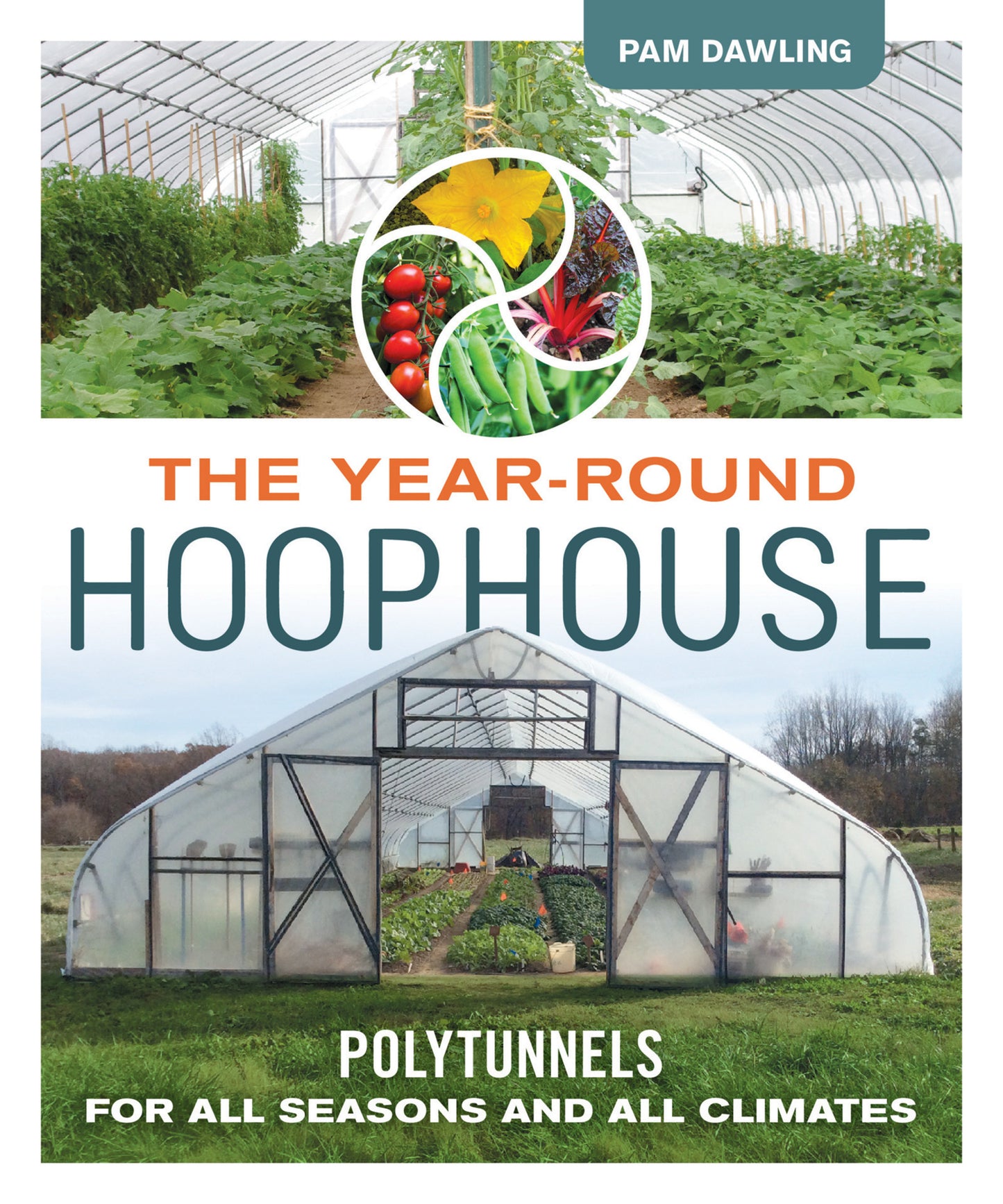
Grow abundant produce in any climate with a well-designed hoophouse. This practical, field-tested guide shows you the best ways to design, build, and manage a productive polytunnel so you can extend your season, protect crops, and harvest fresh food in every month.
A reliable, resilient hoophouse can transform your farm or garden. Whether you're a new grower or expanding into protected cultivation, this trusted guide gives you the confidence and know-how to construct and manage a productive indoor growing environment for year-round harvests.
Grow more food with less uncertainty. High tunnels (or polytunnels) buffer against unpredictable weather, protect soil, extend the growing season, and keep greens thriving through winter. With clear instructions and proven strategies, you'll learn how to create a resilient system that boosts yields and supports local food supply all year.
Inside you'll learn how to:
- Choose the right site, size, and style for your land
- Build durable frames with simple tools and materials
- Create efficient bed layouts and soil systems
- Plan crop rotations for all seasons
- Manage pests and diseases organically
- Prepare for storms and weather extremes
- Grow a wide range of crops—cold-hardy greens, roots, warm-season favorites, and more.
Written for farmers, market growers, professors, students, interns, and urban or rural beginners, this book is an essential reference for anyone moving into protected growing or teaching sustainable agriculture.
About the Author
Pam Dawling brings over 40 years of sustainable vegetable production experience—including 14 years of hoophouse growing. She is the author of the bestselling Sustainable Market Farming, a contributing editor to Growing for Market, a long-time conference speaker, and former manager of the Twin Oaks community farm in Virginia, which feeds 100 people year-round.
Start building a resilient, productive growing space and enjoy year-round harvests—no matter where you grow.

Pam Dawling has been farming and providing training in sustainable vegetable production in a large variety of climates for over 40 years, 14 of which have been hoophouse growing. Pam's first book is the best-selling Sustainable Market Farming: Intensive Vegetable Production on a Few Acres. Pam is a contributing editor with Growing for Market magazine, has written articles and information sheets for various biological farming publications, and is a popular speaker on growing vegetables at sustainable agriculture conferences and events each year. She blogs weekly at sustainablemarketfarming.com and monthly on the Mother Earth News Organic Gardening Blog. Pam does consultancy work for new and beginning farmers, and for 25 years was the manager of Twin Oaks community farm in Virginia, which feeds the 100 community members year-round. She lives and grows at Twin Oaks in Louisa, Virginia.
Foreword
Acknowledgments
Introduction
Part I: Design, Siting and Construction
1. Hoophouse Siting and Planning
2. Style and Design
3. Shopping Checklist
4. Preparing the Site and the Base
5. Utilities
6. Frame Assembly, Baseboards and Hipboards
7. End Walls
8. Roof Plastic
9. Drip Irrigation and Outfitting Your Hoophouse
Part II: Growing Crops
10. Lettuce
11. Other Salad Greens
12. Cooking Greens
13. Root Crops
14. Alliums
15. Legumes
16. Tomatoes
17. Peppers and Eggplants
18. Cucurbits
19. Crops for High Summer
20. Bare-Root Transplants
21. Seed Crops
Part III: Keeping Everything Working Well
22. Planning and Record-Keeping
23. Cold Weather Care
24. Hot Weather Care
25. Succession Crops
26. Crop Rotations and Sequences
27. Pests and Diseases
28. Salt Build-Up
29. Feeding the Soil
30. Replacing the Plastic
31. Preparing for and Coping with Disasters
Resources
Index
About the Author
About New Society Publishers