


Some error occured while loading the Quick View. Please close the Quick View and try reloading the page.
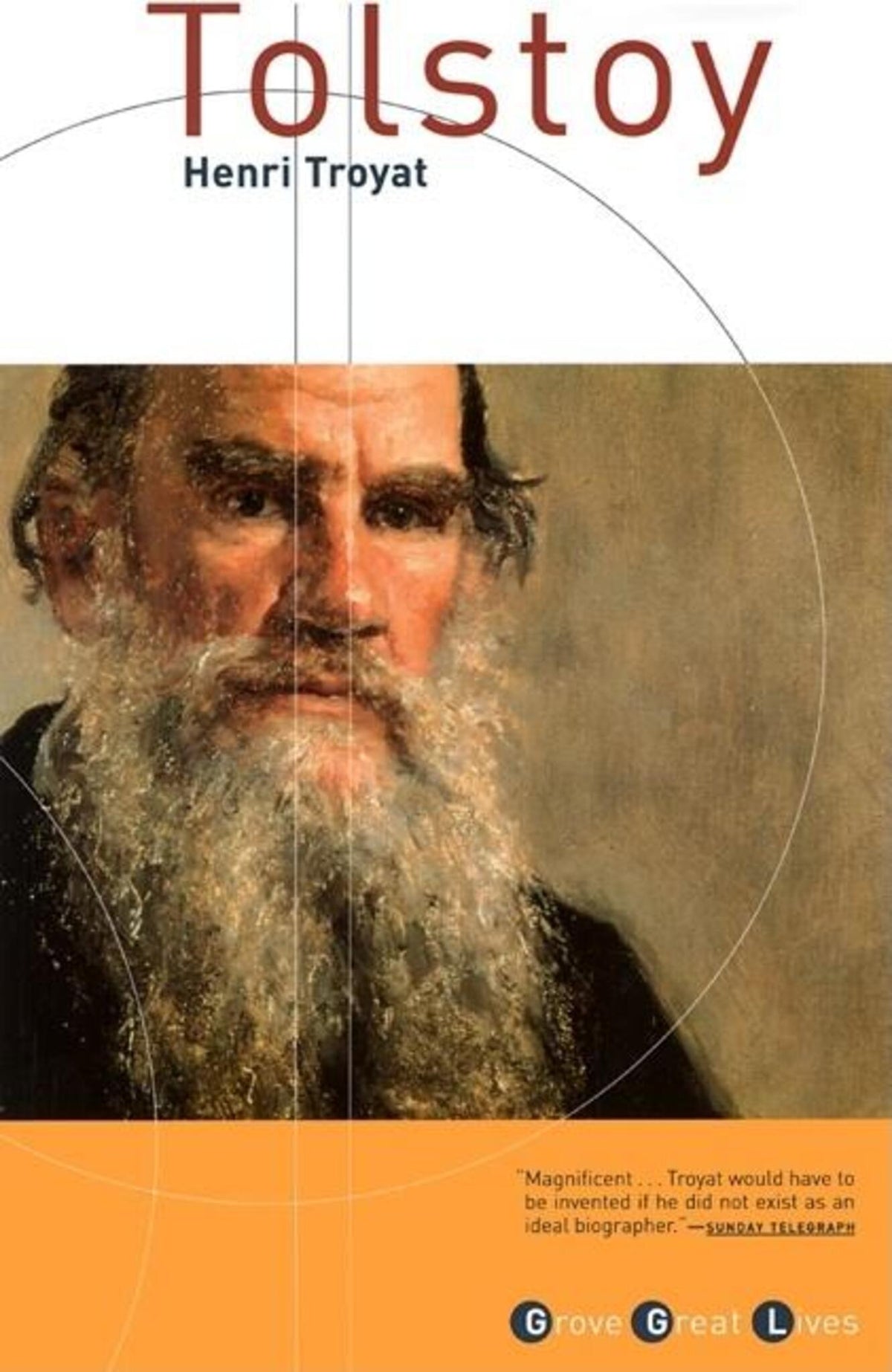
“This . . . biography of [Tolstoy] is the fullest, most objective, and the liveliest . . . the story of his life reads like a novel.” –Raymond Mortimer, The Sunday Times (London)
In this definitive portrait of one of the greatest novelists of all time, Leo Tolstoy embodies the most extraordinary contradictions. He was a wealthy aristocrat who preached the virtues of poverty and the peasant life, a misogynist who wrote Anna Karenina, and a supreme writer who declared: “Literature is rubbish.” Yet his titanic personality and the astonishing range of his talents and interests made him, as an author and as a strange self-proclaimed prophet, one of the undisputed literary giants of the nineteenth century. From his famously bad marriage to his enormously successful career, Troyat presents a brilliant portrait that reads like an epic novel written by Tolstoy himself.

“Magnificent . . . Troyat would have to be invented if he did not exist as an ideal biographer.”—Sunday Telegraph
“This . . . biography of him is the fullest, most objective, and the liveliest . . . the story of his life reads like a novel.”—Raymond Mortimer, The Sunday Times (London)
“[Troyat] follows Tolstoy’s conscious hypocrisies and swerving sense of mission with extraordinary intelligence and sympathy.”—The Times (London)