


Some error occured while loading the Quick View. Please close the Quick View and try reloading the page.
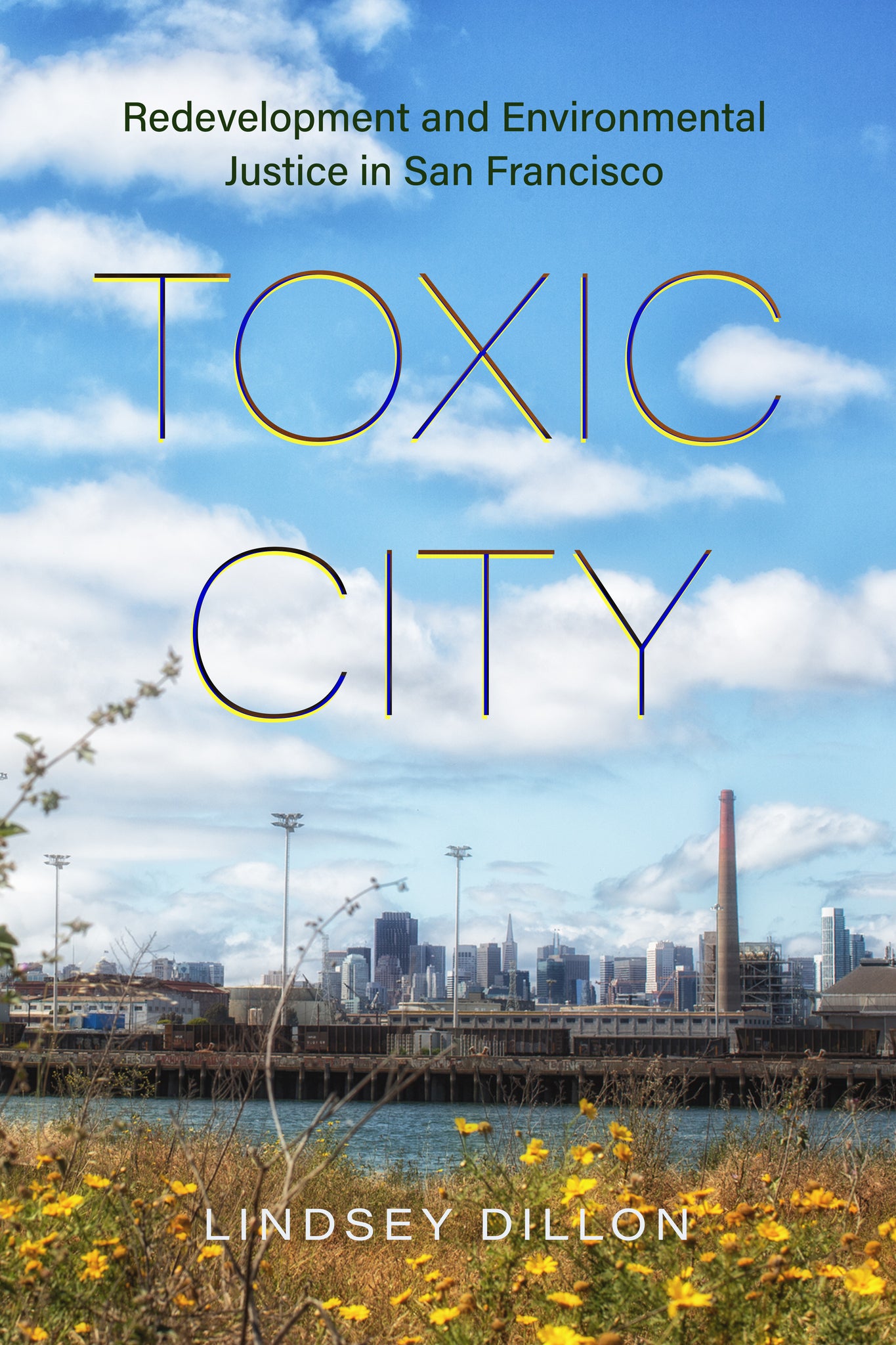
Toxic City presents a novel critique of postindustrial green gentrification through a study of Bayview-Hunters Point, a historically Black neighborhood in San Francisco. As cities across the United States clean up and transform contaminated waterfronts and abandoned factories into inviting spaces of urban nature and green living, working-class residents—who previously lived with the effects of state abandonment, corporate divestment, and industrial pollution—are threatened with displacement at the very moment these neighborhoods are cleaned, greened, and revitalized. Lindsey Dillon details how residents of Bayview-Hunters Point have fought for years for toxic cleanup and urban redevelopment to be a reparative process and how their efforts are linked to long-standing struggles for Black community control and self-determination. She argues that environmental racism is part of a long history of harm linked to slavery and its afterlives and concludes that environmental justice can be conceived within a larger project of reparations.

Price: $29.95
Pages: 242
Publisher: University of California Press
Imprint: University of California Press
Publication Date:
09 April 2024
Trim Size: 9.00 X 6.00 in
ISBN: 9780520396227
Format: Paperback
BISACs:
Lindsey Dillon is a critical human geographer and Assistant Professor of Sociology at the University of California, Santa Cruz.
Contents
List of Illustrations
Acknowledgments
Introduction: “I Want to Be Made Whole”
1. The Wastelanding of Southeast San Francisco
2. Black Counterplanning for a New Hunters Point
3. The Politics of Environmental Repair
4. The Dust of Redevelopment
Conclusion: Reparative Environmental Justice
Notes
Bibliography
Index
List of Illustrations
Acknowledgments
Introduction: “I Want to Be Made Whole”
1. The Wastelanding of Southeast San Francisco
2. Black Counterplanning for a New Hunters Point
3. The Politics of Environmental Repair
4. The Dust of Redevelopment
Conclusion: Reparative Environmental Justice
Notes
Bibliography
Index