


Some error occured while loading the Quick View. Please close the Quick View and try reloading the page.
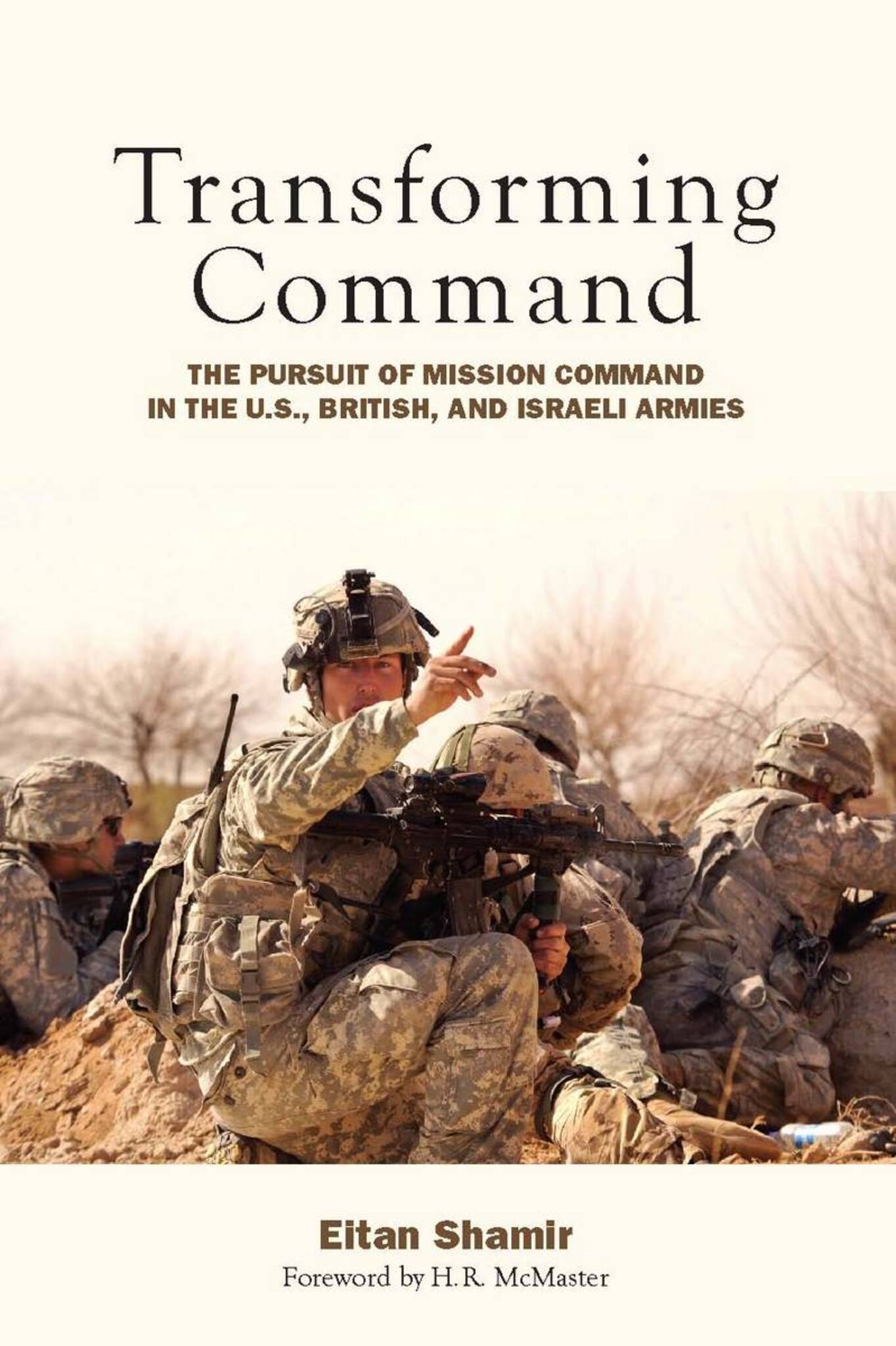
On today's complex, fragmented, fast-moving battlefield, where combatants adapt constantly to exploit one-another's weaknesses, there is a demonstrable requirement for military commanders to devolve a high level of autonomy of decision-making and action to leaders on the ground. An effective model for doing this has existed for some time in the form of mission command and has been utilized by the U.S., Israeli, and British Armies—but with mixed success.
This book examines in depth the experiences of the armed forces of each of these countries in implementing mission command, and reveals the key factors that have determined the success or failure of the implementation—factors such as the Revolution in Military Affairs (RMA), the spread of low-intensity conflicts and operations other than war, and differences in how military cultures interpret, articulate, and exercise the command function. It has significant implications for both the development of military doctrine and the training and education of tomorrow's military leaders.

Price: $28.00
Pages: 288
Publisher: Stanford University Press
Imprint: Stanford Security Studies
Publication Date:
26 January 2011
Trim Size: 9.00 X 6.00 in
ISBN: 9780804772037
Format: Paperback
BISACs:
"Shamir's historical analysis of mission command's conceptual underpinnings provides excellent context for practitioners seeking to understand the complexities and efforts required to adopt, adapt and practice mission command."
— Brigadier Chris Field
— Brigadier Chris Field
Eitan Shamir is a Research Fellow at the Dado Center for Interdisciplinary Military Studies, Israeli Defense Forces, and teaches in the Security Studies program at Tel Aviv University. His military experience includes service in the IDF's paratroops brigade and as a reserve officer in the IDF's Organizational Psychology Unit.