


Some error occured while loading the Quick View. Please close the Quick View and try reloading the page.
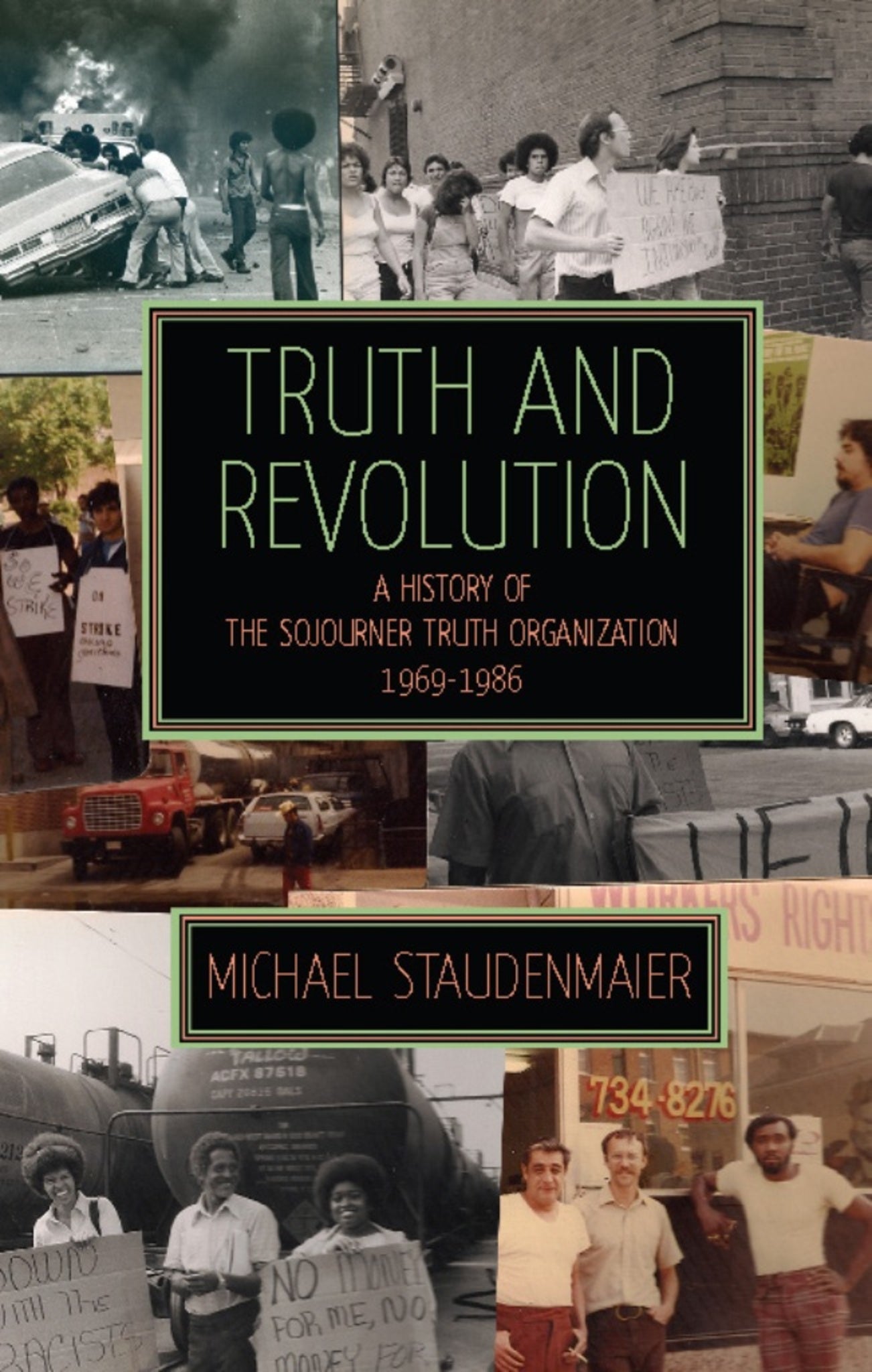
Founded in Chicago in 1969 from the rubble of the recently crumbled SDS, the Sojourner Truth Organization (STO) brought working-class consciousness to the forefront of New Left discourse, sending radicals back into the factories and thinking through the integration of radical politics into everyday realities. Through the influence of founding members like Noel Ignatiev and Don Hamerquist, STO took a Marxist approach to the question of race and revolution, exploring the notion of “white skin privilege,” and helping to lay the groundwork for the discipline of critical race studies.
Michael Staudenmaier is a doctoral candidate in history at the University of Illinois-Urbana.

"'Truth and Revolution' is history. I suppose it’s ultimately the story of a defeat: I don’t think we understood how the reality Reaganism ushered in was going to be so successful in undoing the 1960s. I know we didn’t understand the change that was happening to the world. But something is changing in the world, and as we try, again, to get it right, it’s definitely worth going over the story of a group like the STO." — Ian Scott Horst, Kasama
Michael Staudenmaier: Michael Staudenmaier has been an active part of the anarchist movement in the United States for over twenty years. Currently pursuing his PhD in History at the University of Illinois-Urbana, Michael's activist work centers around supporting and encouraging resistance to white supremacy. he has published extensively in anarchist and academic journals, and is a contributor to The Hidden 1970s: Histories of Radicalism (Princeton UP, 2010), and The International Encyclopedia of Revolution and Protest, 1500 to the Present (Wiley-Blackwell, 2009). He lectures widely on a variety of topics related to struggles around issues of race and whiteness.
Chapter One: Introduction: 1969 and the Revolution that Didn’t Happen
Chapter Two: Workplace Organizing: The Petrograd-Detroit Proletariat
Chapter Three: White Supremacy: The First Thing is Equality
Chapter Four: Reorganization in Difficult Times
Chapter Five: Anti-Imperialism in Theory and Practice
Chapter Six: The Daily Life of a Revolutionary Organization
Chapter Seven: New Social Movements: Building a Tendency
Chapter Eight: Autonomy and Revolution in the 1980s
Conclusion: From Dialectics to Direct Action
Epilogue: The Legacy of STO, Decades After