


Some error occured while loading the Quick View. Please close the Quick View and try reloading the page.
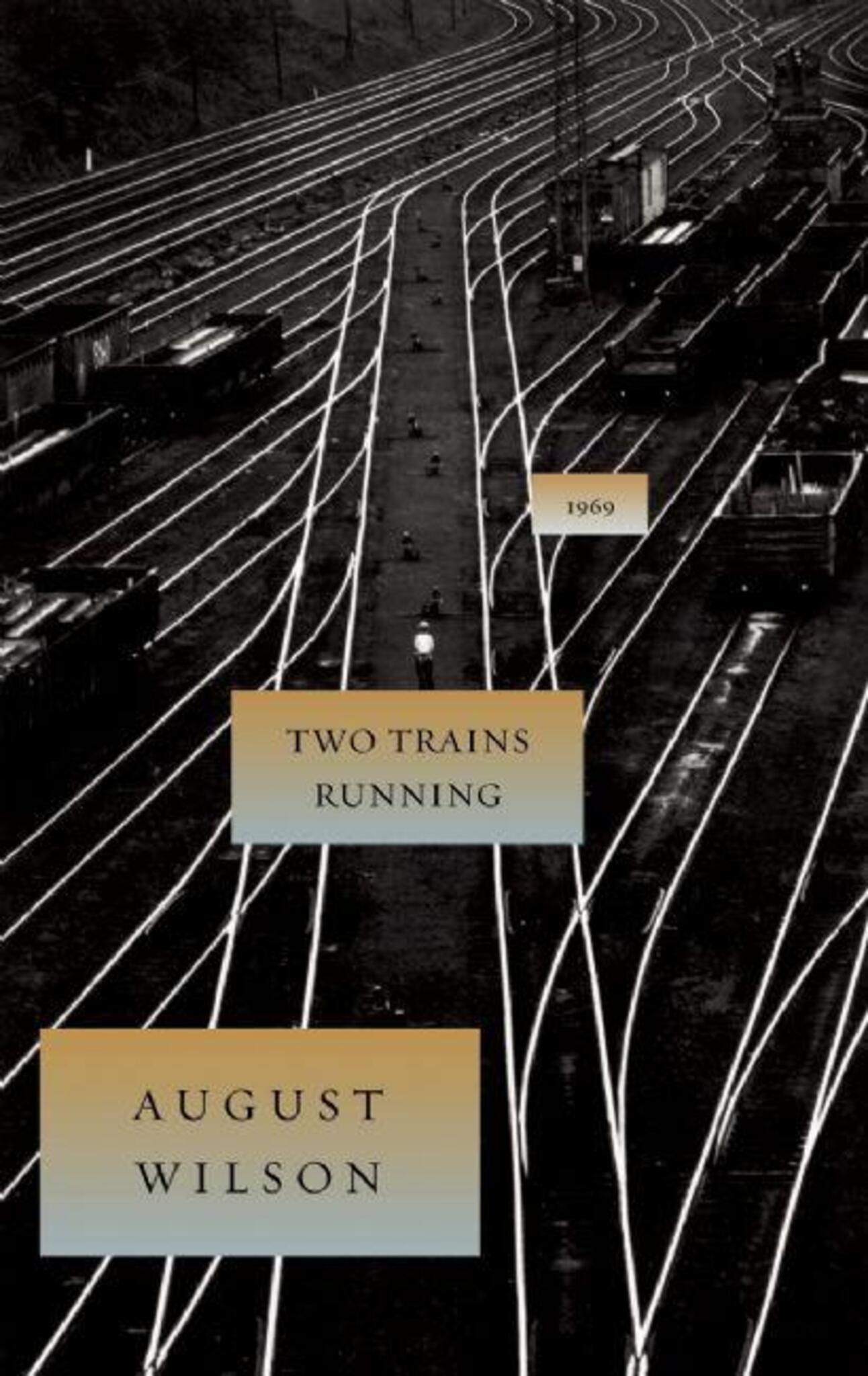
It is Pittsburgh, 1969. Memphis Lee's diner—and the rest of his block—is scheduled to be torn down, a casualty of the city's renovation project that is sweeping away the buildings of a community, but not its spirit. Memphis stands his ground, determined to make the city pay him what the property is worth, refusing to be swindled out of his land as he was years before in Mississippi. Into this fray come Sterling, the ex-con who embraces the tenets of Malcolm X; Wolf, the bookie who has learned to play by the white man's rules; Risa, a waitress of quiet dignity; and Holloway, resident philosopher and fervent believer in the prophecies of a legendary 322-year-old woman down the street.
Just as sure as an inexorable future looms right around the corner, these people of loud voices and big hearts
continue to search, to falter, to hope that they can catch the train that will make the difference. With compassion, humor, and a superb sense of place and time, Wilson paints a vivid portrait of everyday lives in the shadow of great events, and of unsung men and women who are anything but ordinary.
The play is part of August Wilson's Century Cycle, his epic dramatization of the African American experience in the twentieth century.
This edition includes a foreword by Laurence Fishburne.

What does it mean to be American? What does it mean to be African American? The work of August Wilson posits an answer by arguing that the African influence is inseparable from and essential to the American experience. Two Trains Running, set at the end of the '60s Black Power movement, tackles that question with the zeal and virtuosity of a master at the height of his powers.
—Laurence Fishburne, from his foreword
These characters are fully imagined—they live…reeling out stories about there past, their angers, their dreams.
—Washington Post